
Last updated November 20, 2026
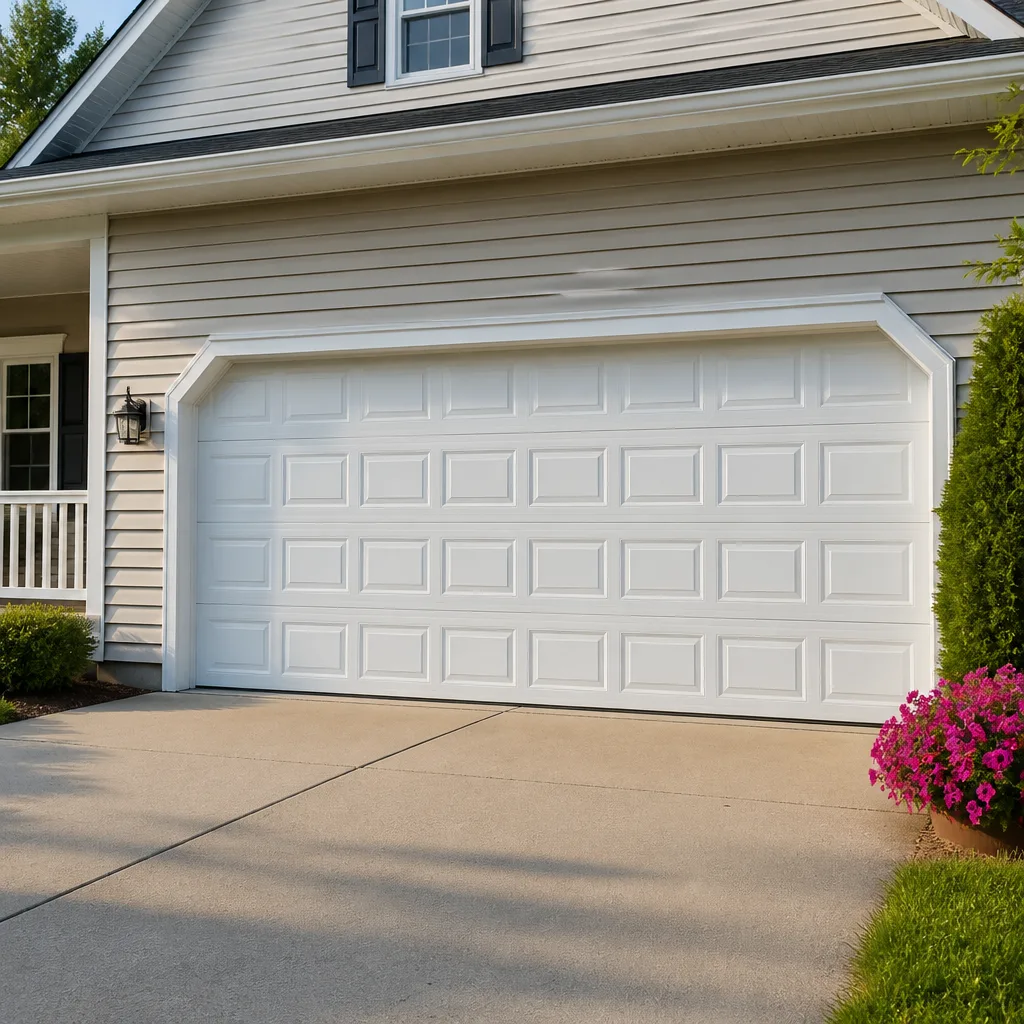 Raised-panel steel
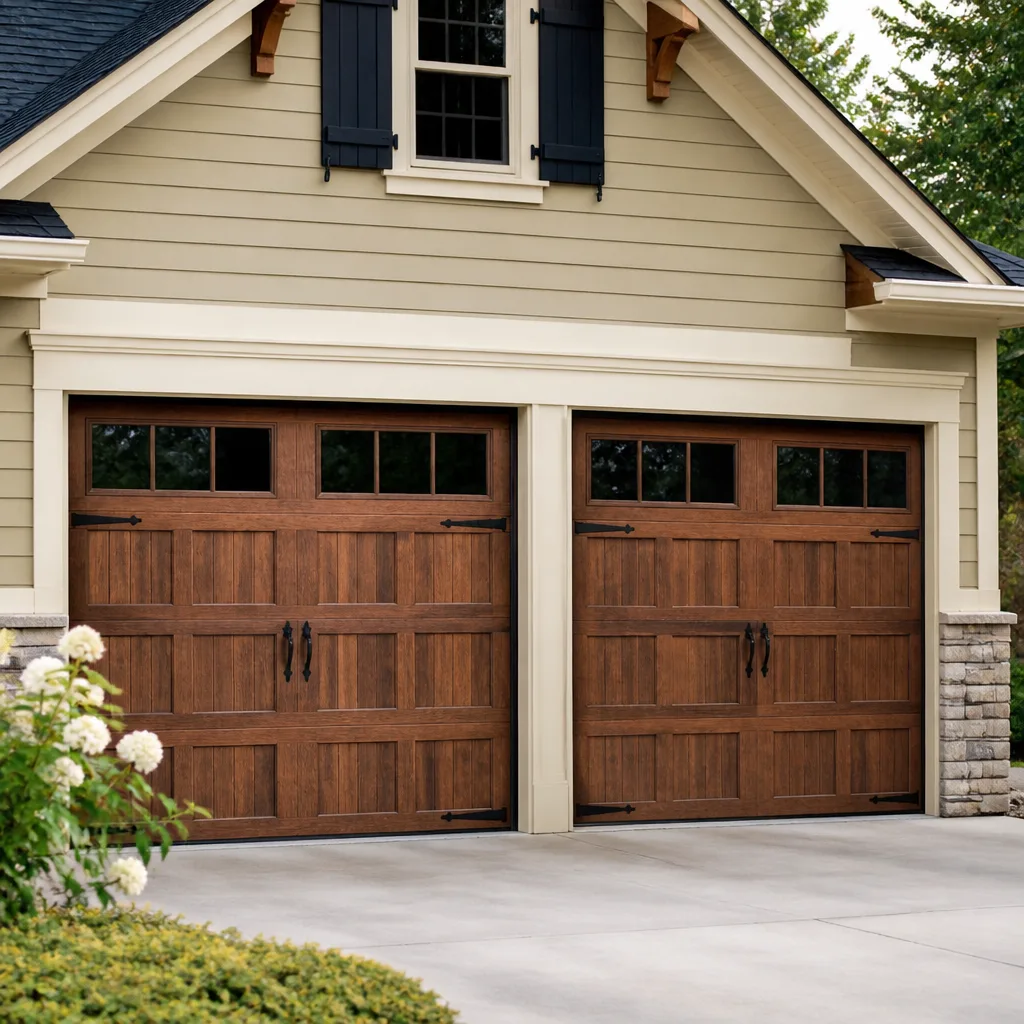 Carriage house
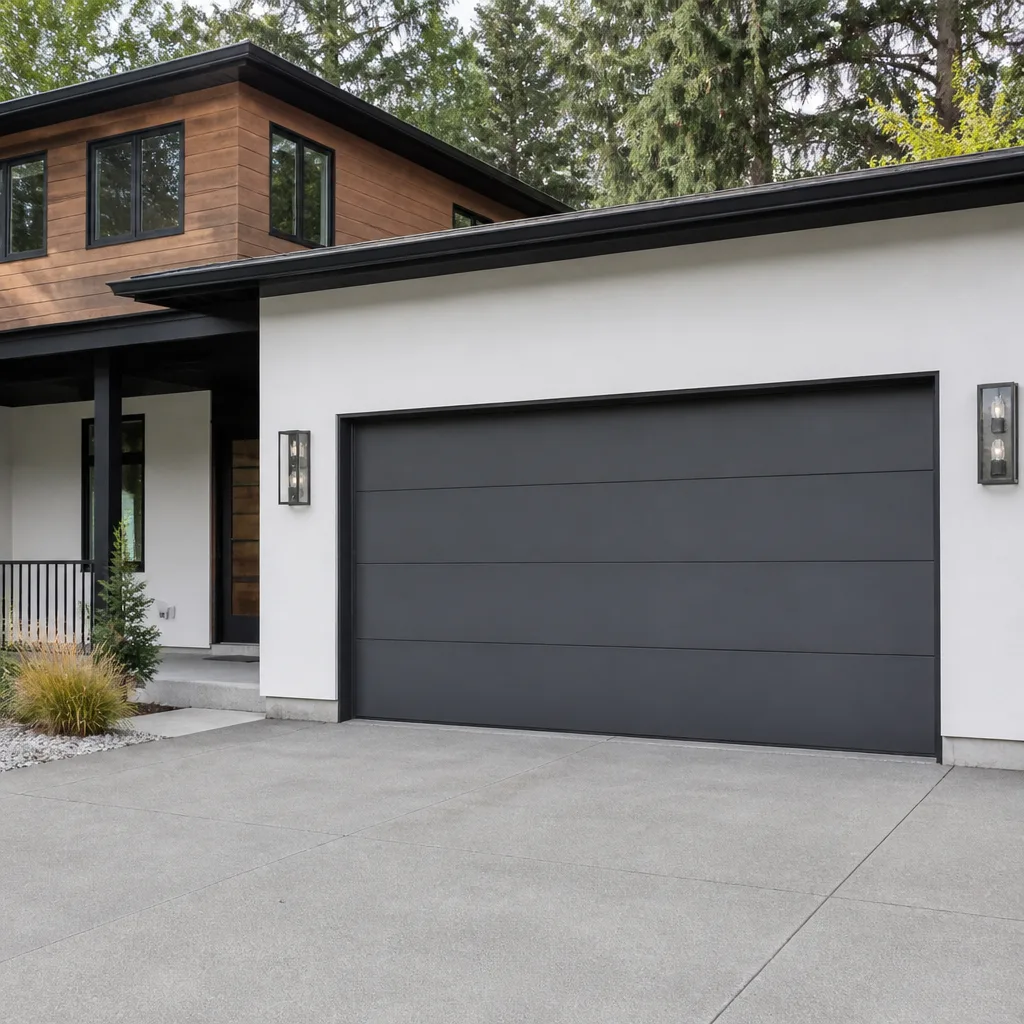 Modern flush
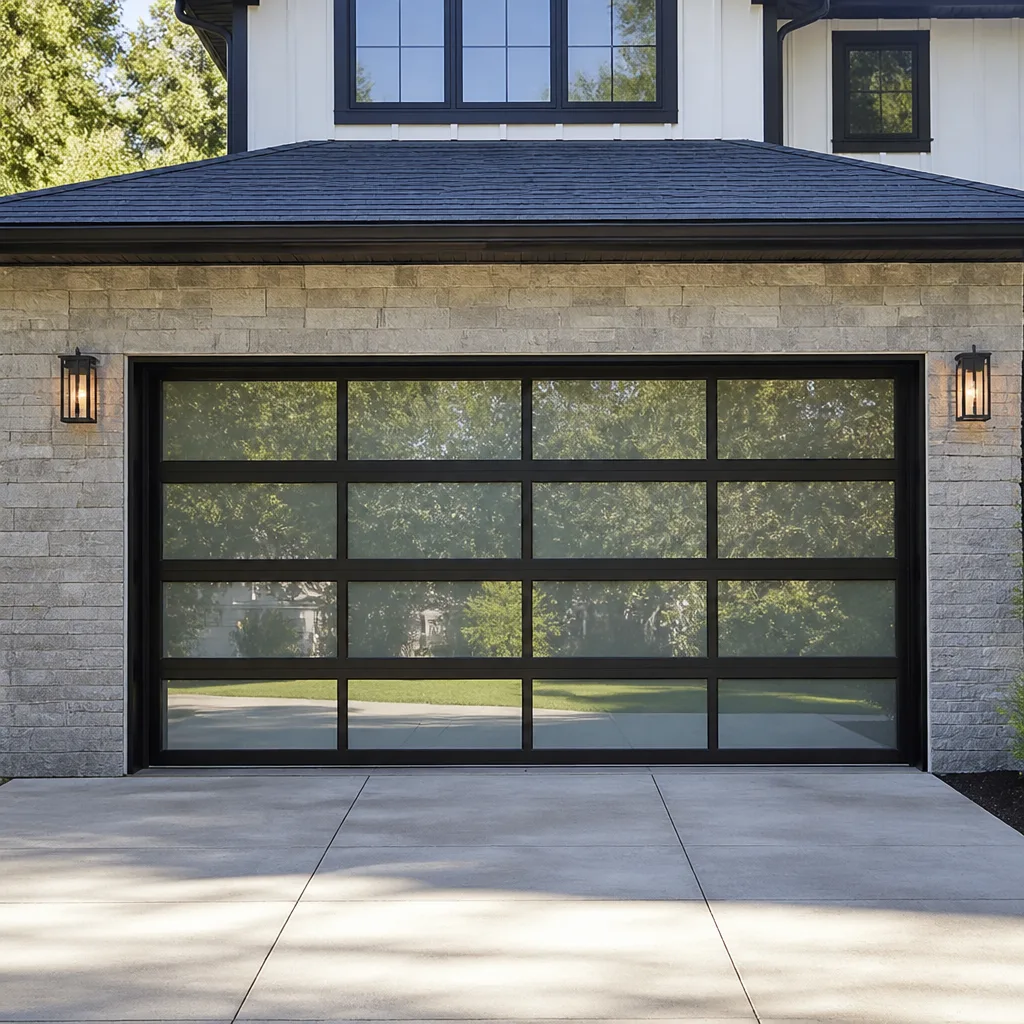 Full-view glass
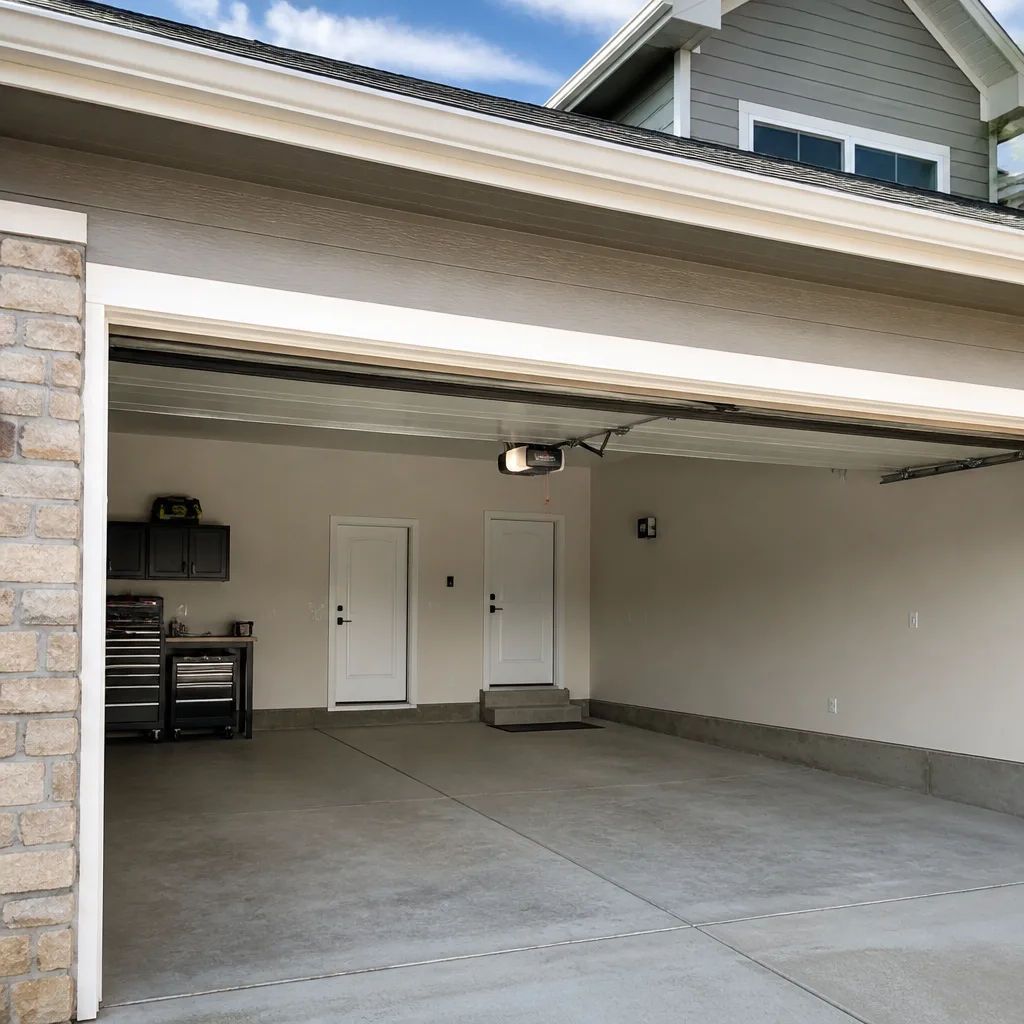 LiftMaster openers
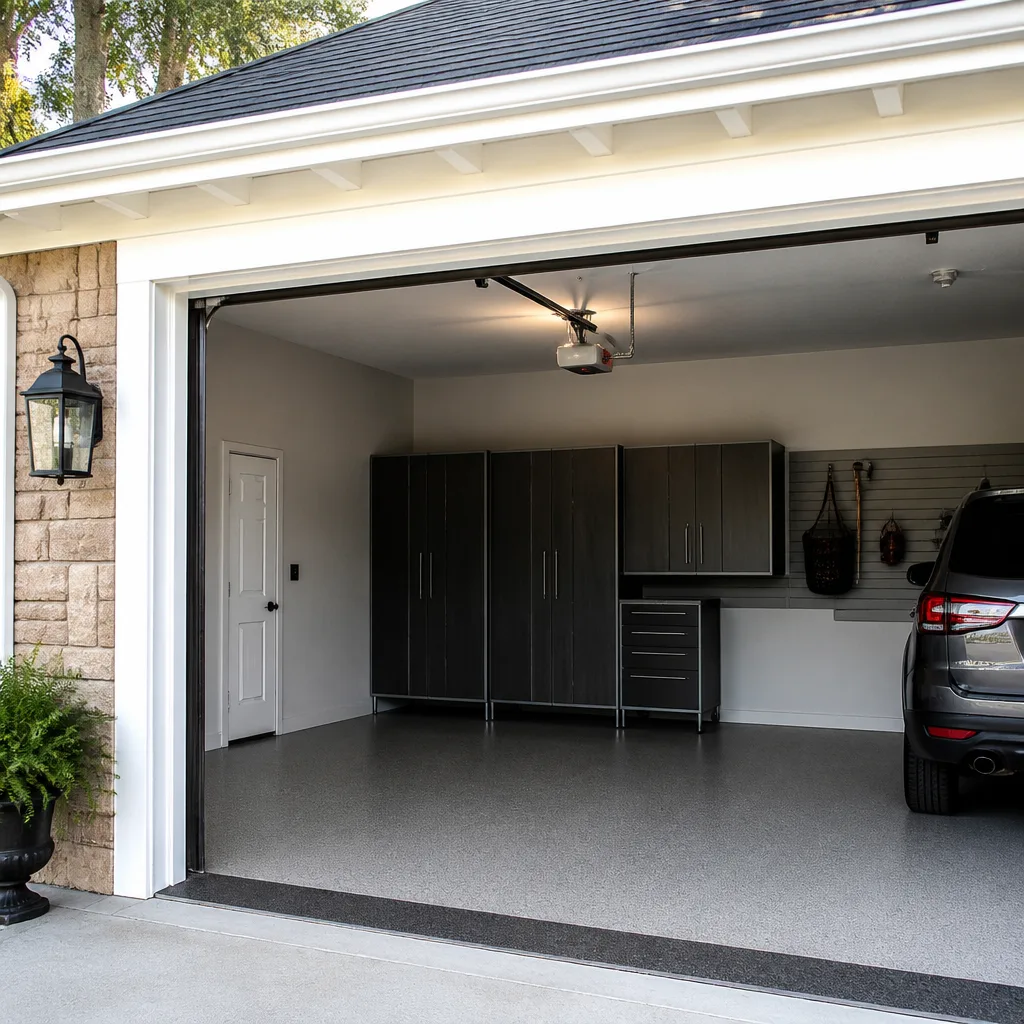 Chamberlain openers
Full 25-point door and opener safety check with every visit - springs, cables, rollers, tracks, and your LiftMaster or Chamberlain opener included
You get a price before we start. It does not change when the pro arrives.
Get your free estimateGarage Door Permits, Codes & Inspections in Wanamaker, IN: What You Need to Know
A garage door replacement is one of the most common unpermitted home improvements in Indiana, and it’s one of the most likely to surface during a real estate transaction. Most Wanamaker homeowners assume that swapping a door is a simple product change that needs no paperwork. Sometimes that’s true. Often it isn’t. The difference comes down to whether the work is a true like-for-like replacement or a structural change, and to how the opener and its wiring are handled. This guide walks through Marion County’s permit thresholds, the Indiana residential code sections that apply, how UL 325 opener standards meet local code, what a rough-in inspection actually looks at, and how to deal with an older unpermitted installation before you list your Wanamaker home.
Quick Answer
In Wanamaker and the rest of Marion County, a straight like-for-like garage door replacement, same size, same opening, same track layout, generally does not require a building permit, but any structural change to the opening, header, or framing does. New opener wiring, a new circuit, or a door that has to meet a specific wind-load or fire-rating requirement typically pulls the job into permit territory. When in doubt, call the city’s building department and describe the exact scope before work starts. The written estimate from your installer should always state clearly whether a permit is included.
Styles & brands we work with
- Raised-panel steel
- Carriage house
- Modern flush
- Full-view glass
- LiftMaster openers
- Chamberlain openers
Table of Contents
- When Does a Garage Door Replacement Need a Permit in Wanamaker?
- Which Indiana Residential Code Sections Apply to Garage Doors?
- How UL 325 Opener Standards Meet Local Code
- What Happens During a Rough-In Inspection
- Handling an Unpermitted Garage Door Before You Sell
- What a Code-Compliant Invoice Should Show
- Common Mistakes to Avoid
- Frequently Asked Questions
When Does a Garage Door Replacement Need a Permit in Wanamaker?
Most like-for-like garage door replacements in Wanamaker don’t need a building permit. A permit is typically triggered when the work changes the structure of the opening, adds or alters electrical circuits for the opener, or has to satisfy a specific code requirement that the original door never met.
Here’s how the distinction usually plays out:
- No permit usually: Replacing a door panel, changing springs, swapping an opener for one of the same type on the existing circuit, replacing rollers, hinges, or cables, or installing a new door in the exact same size and configuration as the old one.
- Permit often required: Widening or heightening the opening, replacing or modifying the header, changing from a single door to a double door (or the reverse), adding a new electrical circuit for a smart opener, or altering the track system in a way that changes the load path.
- Permit almost always required: Converting a carport to an enclosed garage, adding a new garage where none existed, or any change that affects fire separation between an attached garage and the living space.
Wanamaker sits inside Marion County, so the city of Indianapolis Department of Business and Neighborhood Services handles most residential permits for this area. That department is also the right call when you’re not sure which side of the line your job falls on. Describe the scope in plain language: what door you have, what door you want, whether the opening is changing, and whether the opener circuit is being touched. They’ll tell you what they need. For straightforward Garage Door Repair Wanamaker work like spring replacement or opener fixes, no permit is involved, but a full replacement should always come with a written scope that states the permit position up front.
The most common surprise in Wanamaker is the electrical side. Homeowners often assume that because the door itself isn’t structural, nothing needs a permit. But running a new dedicated circuit for a modern opener is electrical work, and electrical work follows its own permitting rules. A door swap on the existing circuit is usually a different story.
Which Indiana Residential Code Sections Apply to Garage Doors?
Indiana adopts the International Residential Code with state amendments, and the sections that most often affect garage door work are the ones on fire separation, egress, and vehicle door safety. These aren’t obscure rules, but they’re easy to ignore until an inspector or a buyer’s home inspector points them out.
The three areas that come up most in Wanamaker garage door work:
- Fire separation between an attached garage and the house. The wall and ceiling between an attached garage and the living space have to maintain a fire-rated assembly, and any door in that wall (including a door from the garage into the house) must meet the rating. When a garage door replacement includes anything that penetrates or modifies that separation, expect the permit reviewer to ask about it.
- Vehicle door labeling. Garage doors that are part of the required separation need to be labeled for the rating they carry. That label lives on the door and should survive installation. If your old door had a rating label and the new one doesn’t, that’s a code problem regardless of how good the door looks.
- Egress and ventilation. An attached garage can’t block required egress from the house, and openings between garage and house have to maintain the separation. A door replacement that changes how the garage seals against the house can matter here.
Because Indiana amends the model code in places, the exact section numbers and language can shift between code cycles. The reliable move is to describe the work to the city’s building department and ask which sections they’ll want to see addressed on the permit application. For a like-for-like swap with no structural change and no fire-separation impact, most Wanamaker jobs sail through with a simple acknowledgment that no structural work is happening.
If you’re replacing multiple doors as part of a larger remodel, or if the garage shares a wall with a bedroom or a furnace closet, get the fire separation question answered before you order the door. That’s the point where a replacement can turn into a code upgrade.
How UL 325 Opener Standards Meet Local Code
UL 325 is the safety standard that governs garage door operators, and it’s the standard that determines what “code-compliant” actually means on an opener installation. Local code adopts it by reference, which means an inspector reviewing a new opener installation is looking for the same safety features the standard requires, whether the door is a Clopay, an Amarr, or an older Wayne Dalton.
The features UL 325 requires on a residential opener today:
- Non-contact reversal: a photo-eye system at the bottom of the door that stops and reverses the door if something crosses the beam.
- Contact reversal: the door reverses when it meets resistance on the way down.
- Constant pressure or monitored entrapment protection: depending on the operator type and how it’s used, the standard requires either constant-pressure control or a monitored entrapment protection device.
- Manual release: an accessible manual disconnect so the door can be operated by hand in an emergency.
This is where the word “code-compliant” gets slippery on an installer’s invoice. A compliant installation is not just a new opener bolted to the ceiling. It’s the opener plus the safety devices plus the wiring, all installed to the standard’s requirements. When we quote an opener replacement, we list what safety accessories are included so the invoice matches what the inspector will check. If your existing opener is more than a decade old and has never had its photo-eye system tested, that’s a safety question worth answering even when you’re not pulling a permit.
For smart and WiFi-enabled openers, the hardware compliance part of UL 325 is unchanged. The app is a convenience layer on top of the same mechanical safety requirements, and the safety devices still have to be present and tested. That matters in Wanamaker because a lot of newer homes have Chamberlain, LiftMaster, Genie, or Craftsman openers with app control and a photo-eye system that’s never been properly aimed. Our technicians have up to 14 years of experience diagnosing exactly these setups. If your opener is failing its safety reversal test, garage door opener repair is the right starting point, not a permit application.
What Happens During a Rough-In Inspection
A rough-in inspection happens before the work is closed up, and it’s the stage where the inspector wants to see the framing, wiring, and any required blocking in its unfinished state. For garage door work, that usually means the opening and its framing are visible, the electrical rough-in is exposed, and any fire-rated assemblies are inspectable.
The parts of the work that must remain visible for inspection:
- Framing around the opening. The header and jambs, with the new door not yet installed, so the inspector can confirm the structural work matches the permit drawings.
- Openers electrical rough-in. Wiring inside the wall or ceiling, before drywall goes back up. If a dedicated circuit is being added, the inspector wants to see the conduit, the box, and the run before it’s covered.
- Fire-rated separation details. If the job touches the wall or ceiling between the garage and the house, that assembly has to be visible at rough-in so the inspector can confirm the rating is maintained.
- Blocking for hardware. Any added blocking for the opener or track has to be in place and visible.
That’s why a rough-in inspection changes the ordering of a project. On a typical replacement where no permit is required, you measure, order, and install. On a permitted job, you measure, apply, get the permit, do the framing and electrical rough-in, call for inspection, and only then close walls, finish, and install the door. Skipping that sequence is one of the most common reasons a Wanamaker garage door project runs into trouble, and it’s the reason we ask about permits before we place an order. For full garage door installation work, the schedule always depends on whether a rough-in inspection is part of the process.
If you’re unsure whether your job requires a rough-in, ask the city’s building department. A short phone call up front is cheaper than reopening a finished wall.
Handling an Unpermitted Garage Door Before You Sell
An unpermitted garage door installation usually surfaces at one of two moments: a buyer’s home inspection, or a title or permit search during closing. The fix depends on how old the work is and whether it’s still visible to an inspector.
How to handle a previously unpermitted installation in Wanamaker:
- Identify what was actually done. Was it a like-for-like door swap with no structural change, or was framing or wiring altered? The answer determines whether a permit was ever required.
- Check with the city. Call the building department and ask whether any permit exists for the address and what they’d require to bring the work into compliance.
- Fix safety issues first. Opener safety reversal, photo-eye alignment, spring condition, and cable condition should be corrected before a buyer’s inspector gets there. A non-compliant opener is a red flag that can stall a closing.
- Document what’s there. Keep the bill of materials, the door label, and the opener model in a folder for the buyer. Buyers settle faster when they can see what was installed.
- Correct the fire separation if needed. If the wall or door between the garage and the house was altered without the rating being maintained, that’s the item to address first.
The order matters. A home inspector in Wanamaker is likely to flag three things on a garage door: a door that reverses poorly or not at all, missing or damaged safety labels, and evidence of structural or electrical work with no permit trail. Fixing the safety reversal first buys you time to sort out the paperwork side. And if the work turns out to have been a true like-for-like swap, most of the alarm goes away once the buyer’s agent understands the door was a direct replacement. Getting the scope in writing from the installer who did the work is worth more than a verbal assurance.
If the installer is gone and there’s no documentation, an inspection report from a licensed contractor giving the current door size, opener model, and safety status is a reasonable substitute when you talk to the buyer. It won’t retroactively create a permit, but it answers the practical questions. If the underlying door needs to be replaced as part of the correction, our garage door repair team can walk through the scope before a listing goes live.
What a Code-Compliant Invoice Should Show
A code-compliant invoice for garage door work should clearly state whether a permit was pulled, what safety devices were installed, the door and opener model numbers, and what, if anything, remained to be inspected. If those details are missing, the invoice won’t hold up when an inspector or a buyer asks questions later.
The line items that belong on every invoice:
- Permit status: “permit included,” “no permit required, like-for-like replacement,” or “permit pulled by owner.” One of these, in plain words.
- Door model and size: manufacturer and model, with the dimensions so a future owner can match them.
- Opener model and safety devices: brand, model, and whether photo-eyes, wall control, and manual release were installed, tested, and confirmed working.
- Fire-rating label status: if the door is part of a fire separation assembly, confirm the label is intact on the new door.
- Test results: a short note confirming the safety reversal test was performed on the day of install.
- Scope of structural work: any framing, blocking, or electrical work, with a note on whether it was inspected.
This is also the piece that keeps the invoice and the quote aligned. The written estimate should promise a specific scope at a specific price, and the invoice should show the same items were delivered. If the scope grows once walls are opened or once the inspector is involved, it should be re-quoted before work continues, not tacked onto the invoice at the end. That’s the standard we hold our own work to, and it’s the standard worth asking any installer to meet.
For a free measure and a written price for any Wanamaker replacement or opener project, call (855) 593-3820. We answer 24/7. Fast dispatch from 7am to 7pm, Sunday through Friday.
Common Mistakes to Avoid
- Assuming any replacement needs a permit. Many don’t. Pulling one unnecessarily adds weeks and cost to a job that would have been fully compliant with a clean invoice and a labeled door.
- Assuming no replacement needs a permit. This is the more expensive error. Framing, electrical, or fire-separation changes almost always need one, and the unpermitted version is the one a buyer’s inspector finds.
- Skipping the fire-rating label. If your old door was part of a rated assembly and the new one isn’t labeled, you have a code problem regardless of quality. Check the label before the installer leaves.
- Testing the opener once and calling it done. Photo-eye systems drift, springs weaken, and a door that reversed cleanly at install can fail months later. Test the reversal every few months, not once.
- Closing up wiring before inspection day. On a permitted job, drywall goes up after the rough-in sign-off. Reopening a finished wall to satisfy an inspector doubles the cost.
- Ordering the door before consulting the city. Wanamaker jobs sometimes sit on a permit question for days. Checking the requirement before ordering avoids a door sitting in a box while a permit is sorted out.
- Treating a spring fix as a permit question. Springs are a safety concern, not a permit one. If a spring snaps, you don’t need paperwork. You need a trained technician, fast, because a broken spring means the door can come down hard.
See the difference
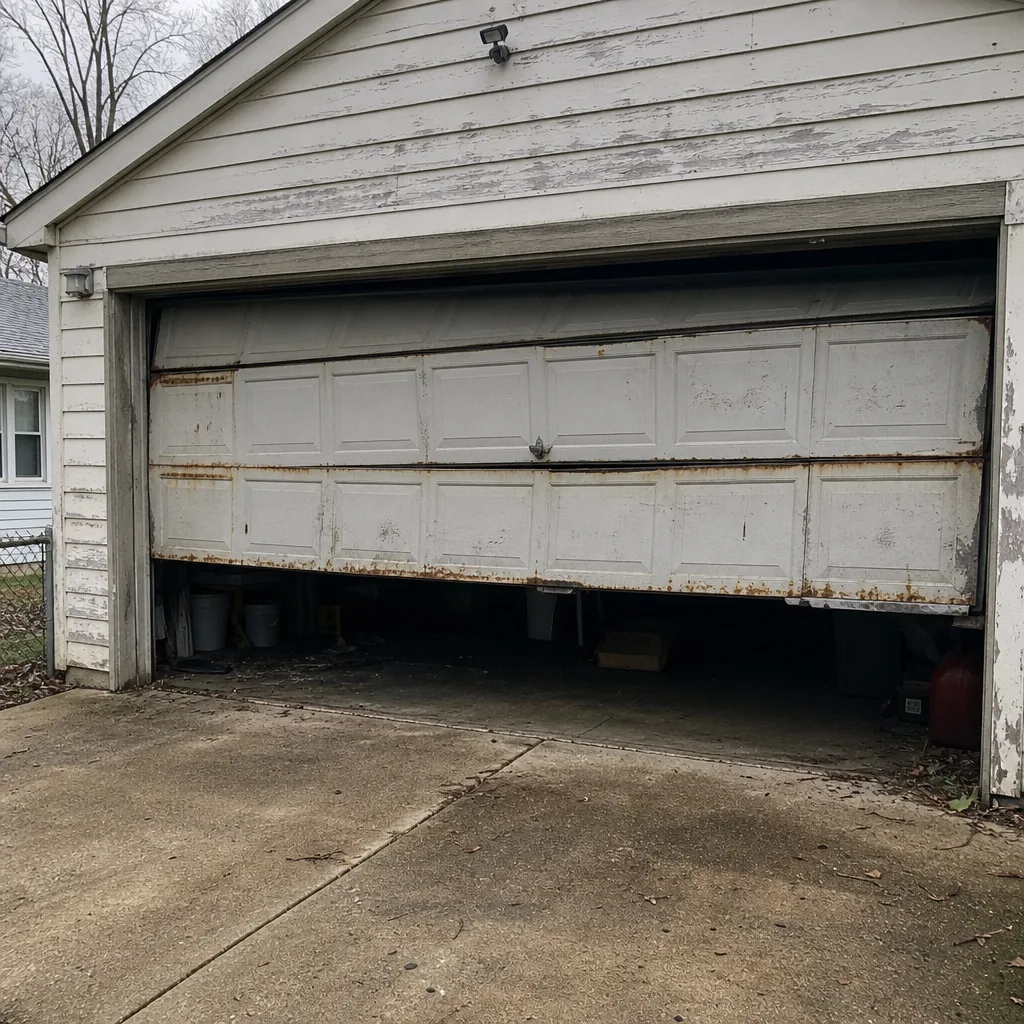 Before
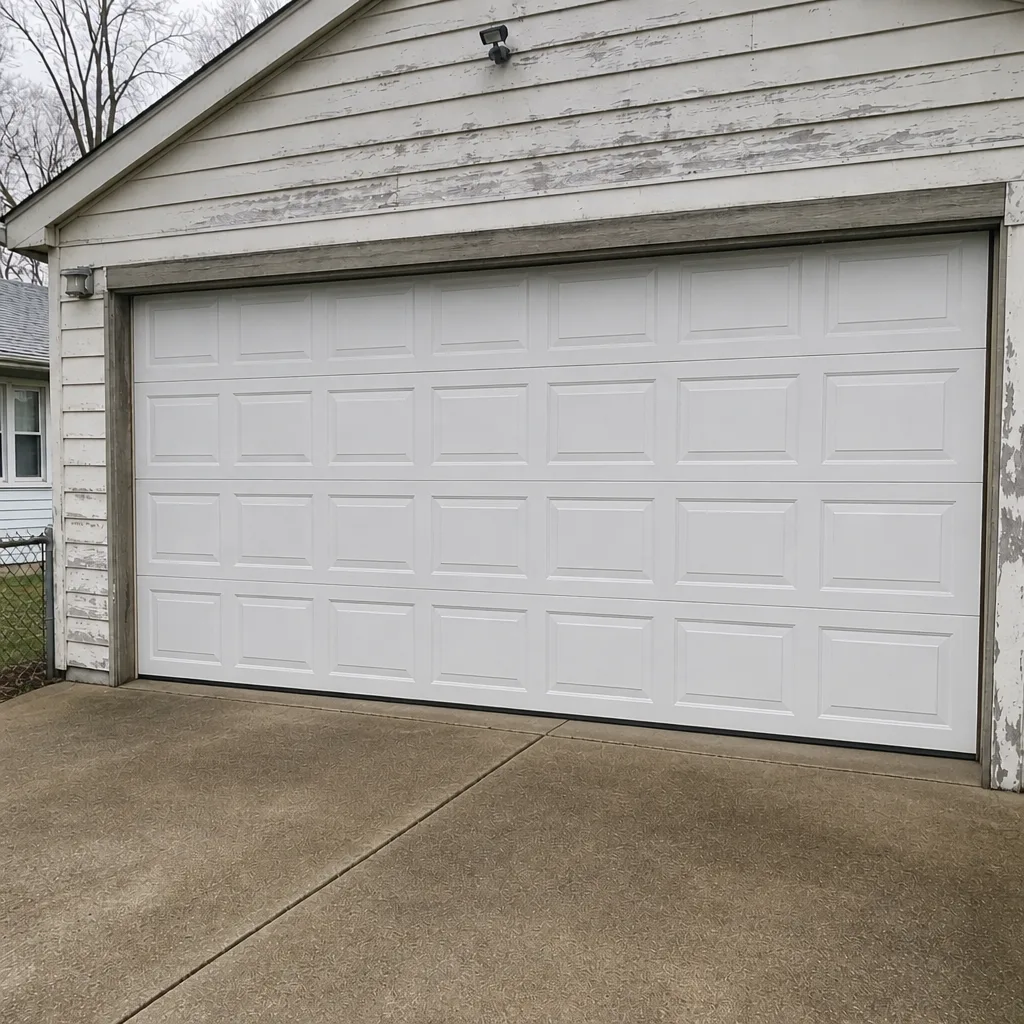 After
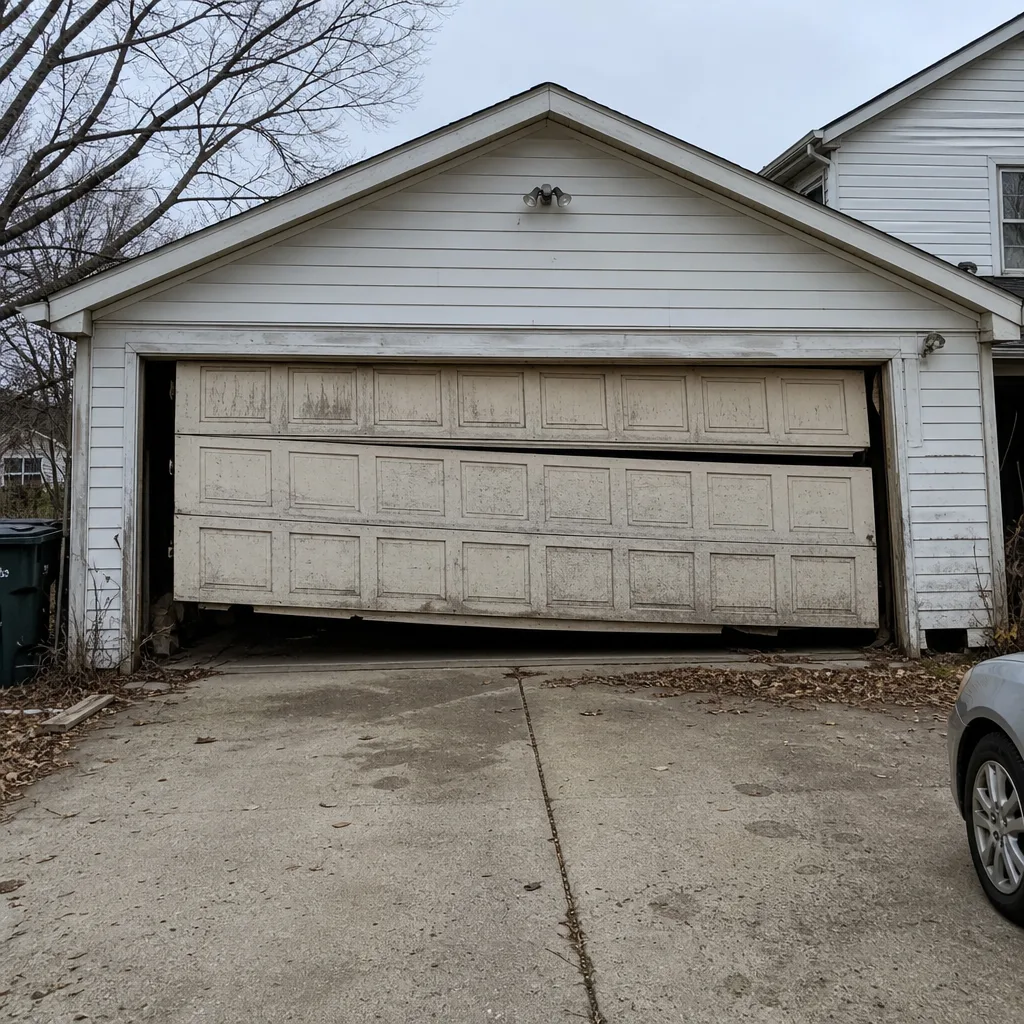 Before
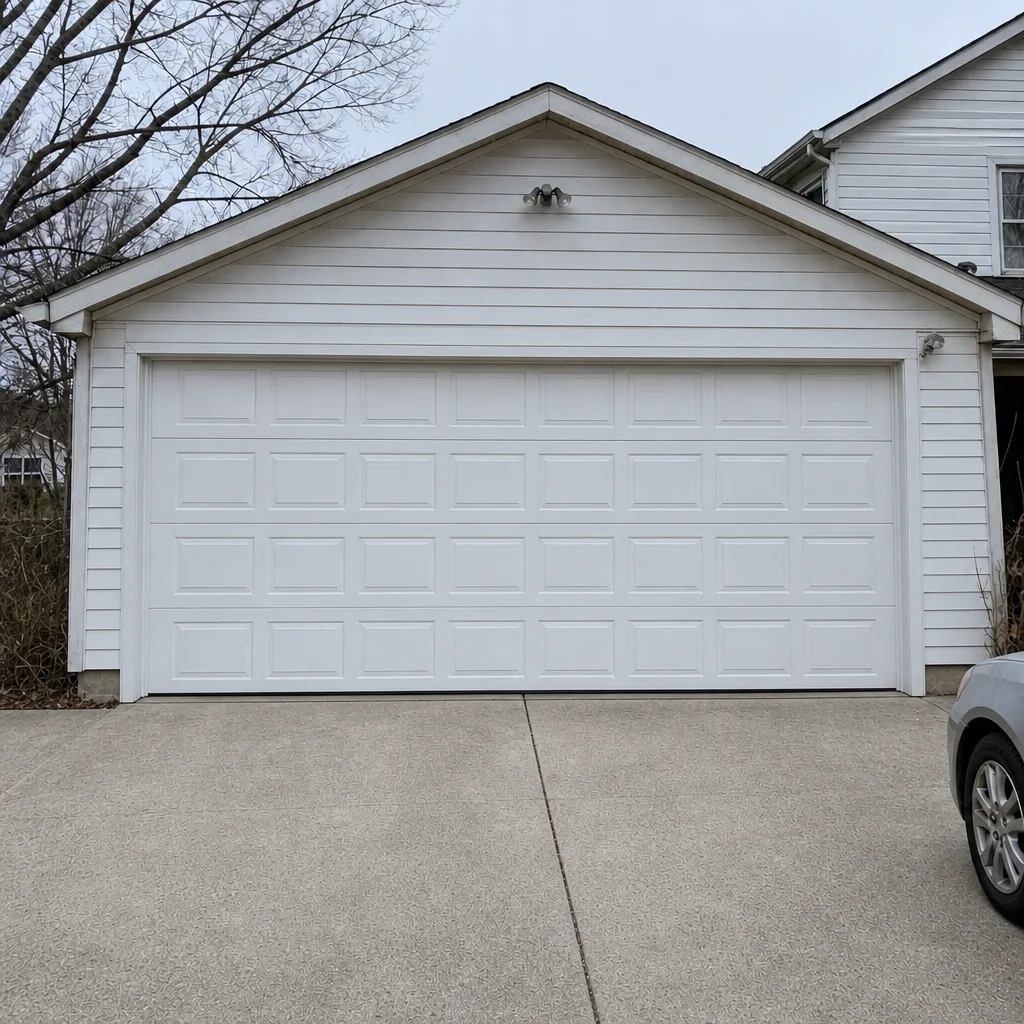 After
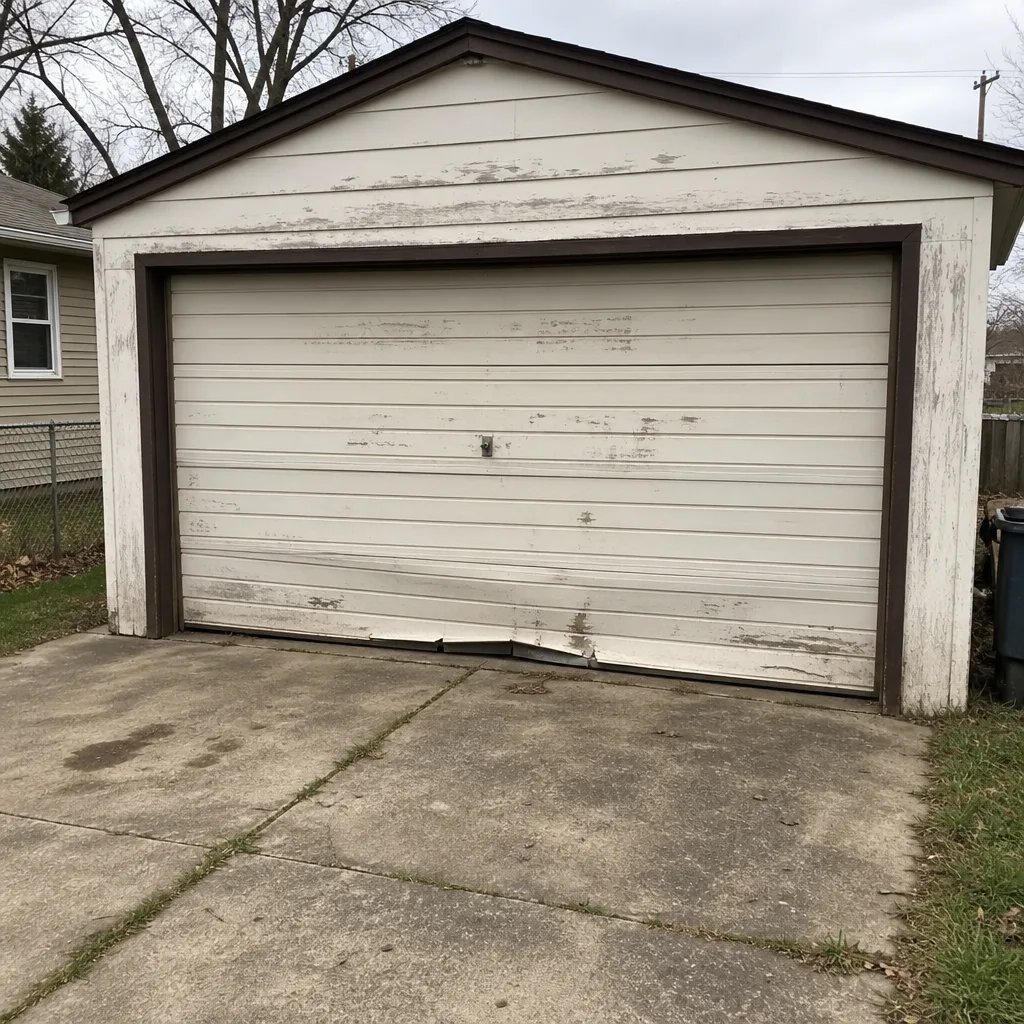 Before
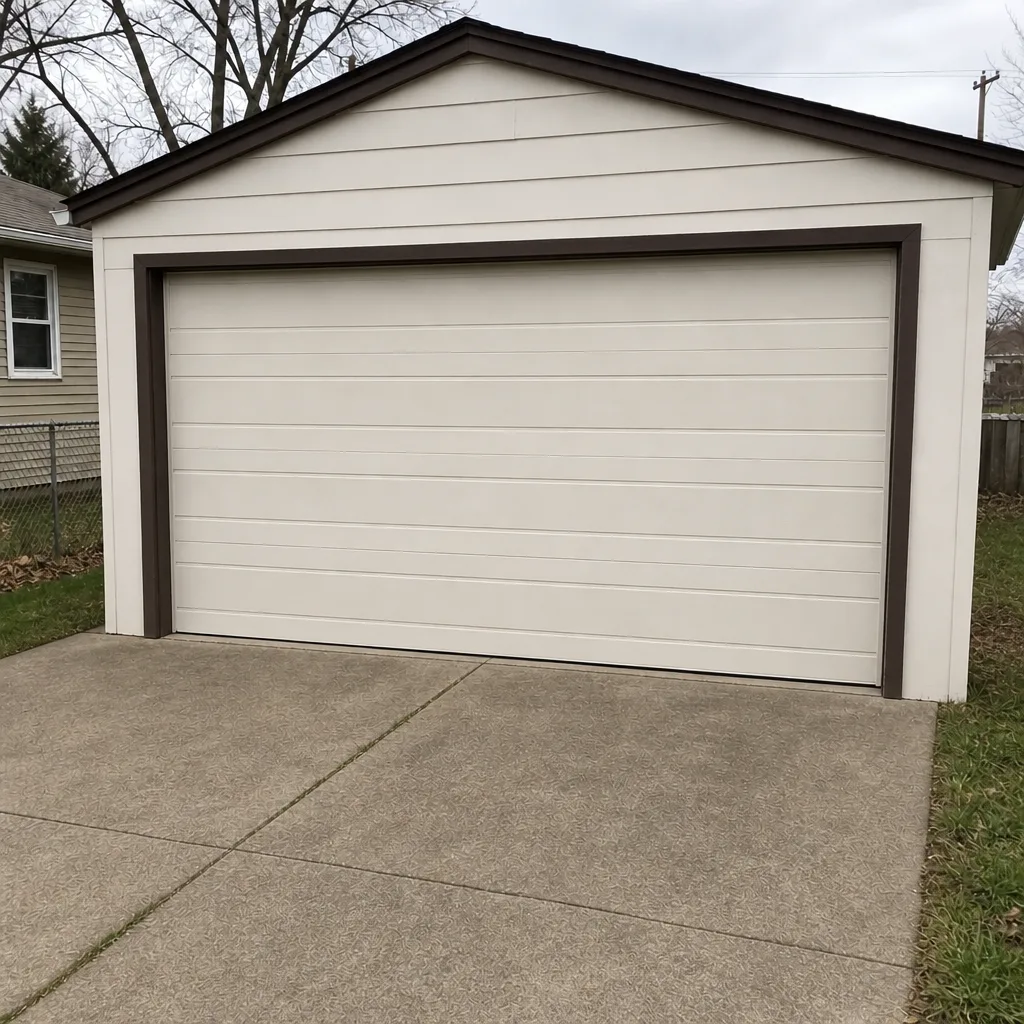 After
When to Call a Professional
Call a professional when the work touches structure, fire separation, or opener wiring, and always when it involves springs. High-tension torsion springs and the cables that run with them are under enough force to cause serious injury, and we don’t recommend attempting that repair yourself. The same caution applies to anything electrical inside the wall: new circuits for smart openers, and repairs to wiring that hasn’t been inspected, belong to a licensed trade. When the door closes unevenly, reverses poorly, or won’t stay up, that’s a safety call, not a cosmetic one. Garage Door Repair Wanamaker offers free estimates in Wanamaker. Call (855) 593-3820. We answer 24/7. Fast dispatch from 7am to 7pm, Sunday through Friday.
Frequently Asked Questions
Not usually, if it’s a like-for-like replacement in the same size and configuration with no structural or electrical changes. A permit is typically required when the opening changes, framing or the header is modified, a new opener circuit is added, or the work affects fire separation between the garage and the house. Call the city’s building department with the exact scope if you’re unsure. And for help with the work itself, call (855) 593-3820 for a free estimate.
An opener swap on an existing circuit usually doesn’t, but a new dedicated circuit does because it’s electrical work. If you’re adding a smart opener that needs new wiring, plan for the electrical permitting question before the install. Call (855) 593-3820 for a quote that lists what’s included either way.
It’s the point where the inspector sees the framing, wiring, and fire-rated assemblies before the walls are closed. The new door isn’t installed yet, and any electrical rough-in is visible. Once the inspector signs off, walls get closed and the door goes on. Call (855) 593-3820 if you want a walkthrough of the sequence before you order.
It means the opener was installed to the safety standard that governs garage door operators, which requires non-contact reversal, contact reversal, and the appropriate entrapment protection. Local code adopts it by reference, so it’s what the inspector is checking for. Call (855) 593-3820 to confirm your opener meets it.
Start by identifying whether the work was actually structural or electrical, then call the city’s building department to see what a compliant path looks like. Correct any safety issues in the meantime: opener reversal, photo-eye alignment, springs, and cables. Keep documentation of what’s installed so a buyer’s inspector has something to review. Call (855) 593-3820 for a fresh assessment of what’s there.
The permitting and inspection side adds time to the schedule, so a permitted project can take noticeably longer than a simple replacement. The best way to shorten that is to describe the scope accurately to the building department the first time and to have your installer ready to do the rough-in on short notice. Call (855) 593-3820 for a written estimate that lays out the sequence.
The local pros we connect you with are licensed and insured as their state requires. That matters when a permit is involved, because the inspector will want to know the work was done by a qualified technician. Call (855) 593-3820 for a free estimate and we’ll walk through the scope before any work starts.
No, the price you agree to in writing is the price before any work starts. If the permit review or the inspection opens up something that wasn’t in the original scope, we re-quote and get your agreement before continuing. Nothing gets tacked on at the end. Call (855) 593-3820 for a free estimate.
The Bottom Line
Most garage door replacements in Wanamaker don’t need a permit, but the jobs that do tend to be exactly the ones that cause trouble at sale. Structural changes, new opener circuits, and fire-separation work all pull the job into permitting territory, and the paperwork trail matters as much as the install. Get the scope in writing, confirm the permit position with the city’s building department before ordering, check the fire-rating label, and test the opener’s safety reversal before a buyer’s inspector does. When in doubt, call the department and ask. A short conversation now saves a longer one at closing.
If you’d rather skip the guesswork, our team can walk you through what your Wanamaker job actually needs. Garage doors are all we do, and we’re factory-familiar with Genie, Clopay, Amarr, and Wayne Dalton, along with LiftMaster, Chamberlain, Craftsman, and Raynor. We cover the full scope, from diagnosis through installation, with parts supply built into the service model so back-ordered components don’t stall a repair. Call (855) 593-3820 for a free estimate. We answer 24/7. Fast dispatch from 7am to 7pm, Sunday through Friday.
Written by the team at Garage Door Repair Wanamaker.