
Last updated November 20, 2026
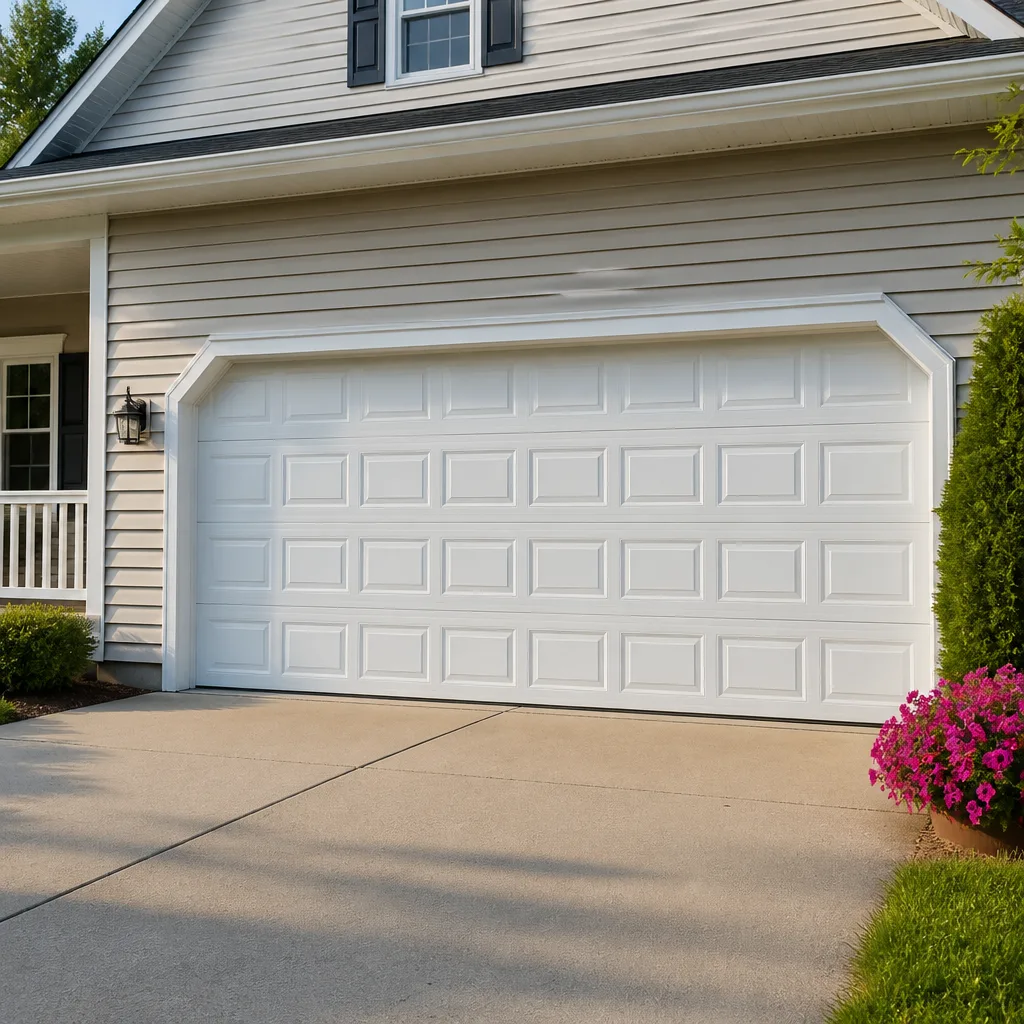 Raised-panel steel
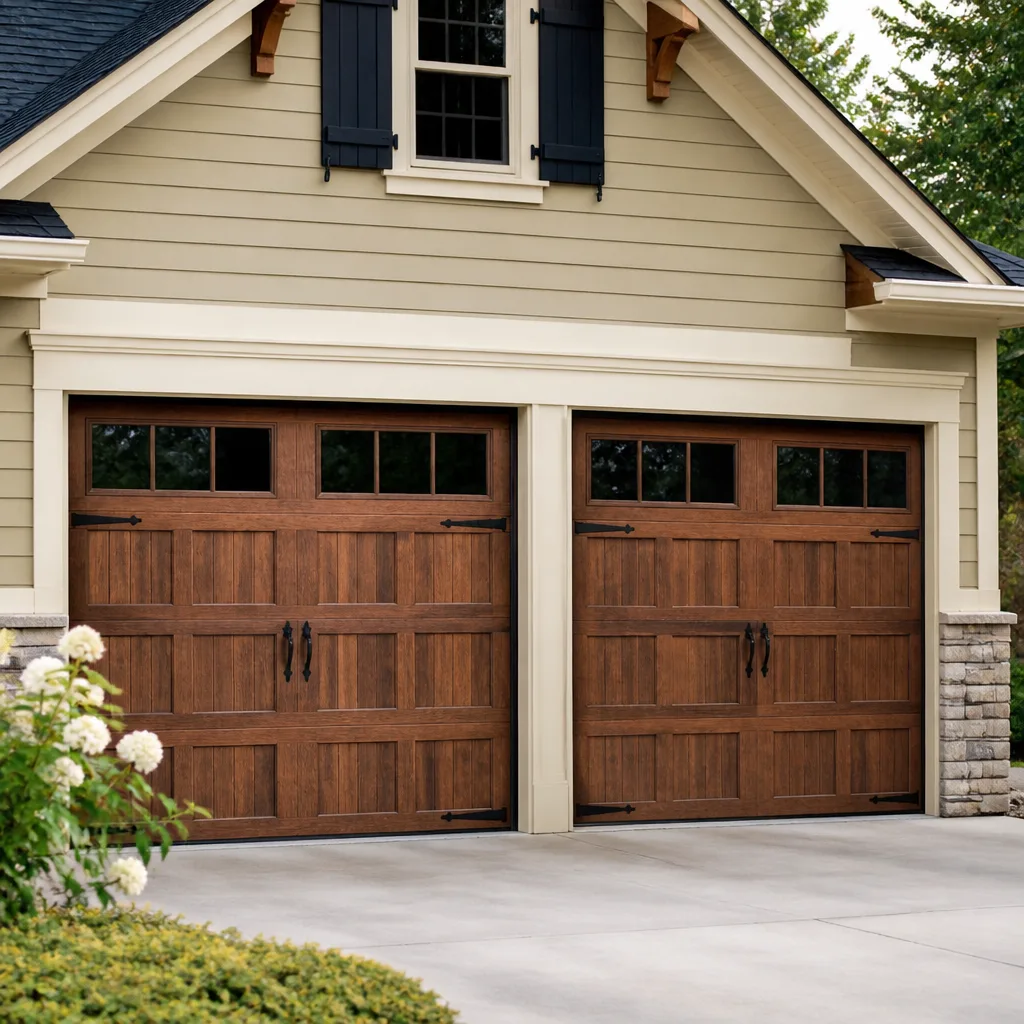 Carriage house
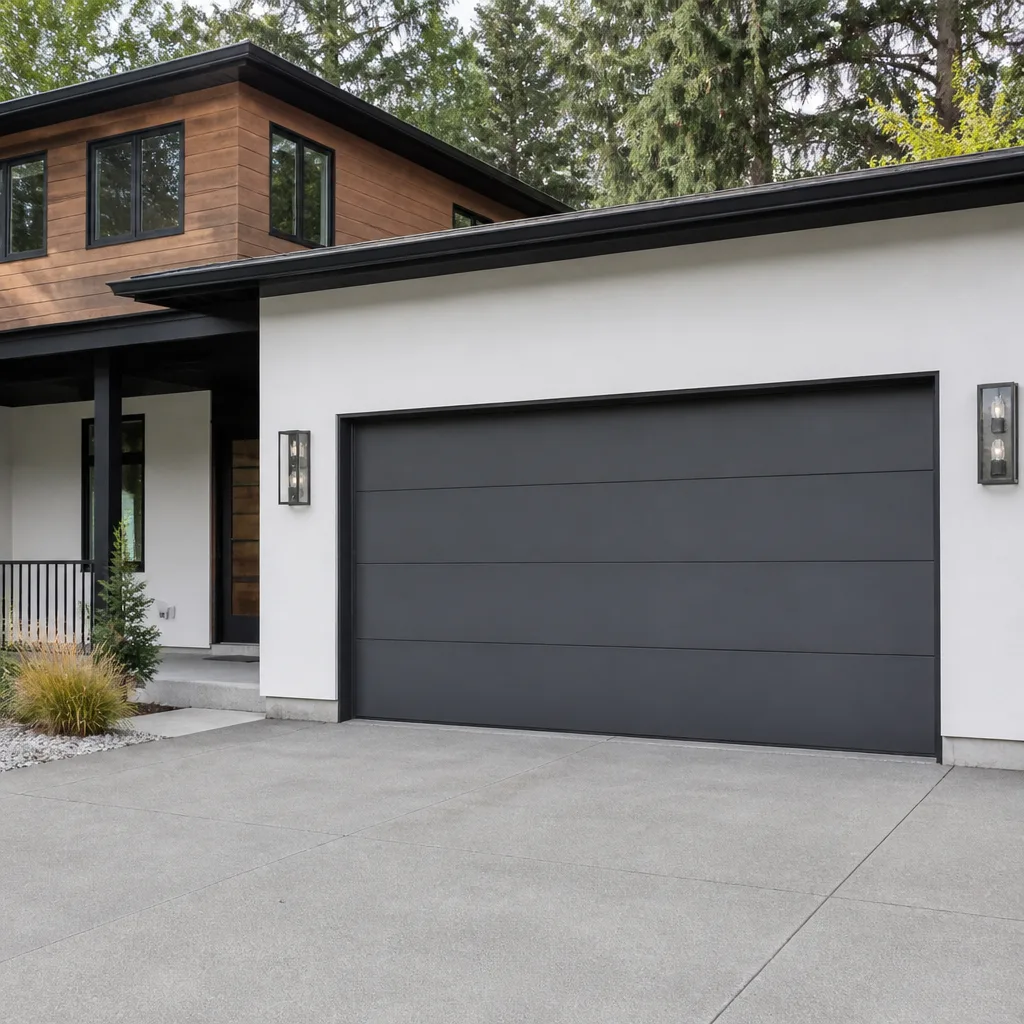 Modern flush
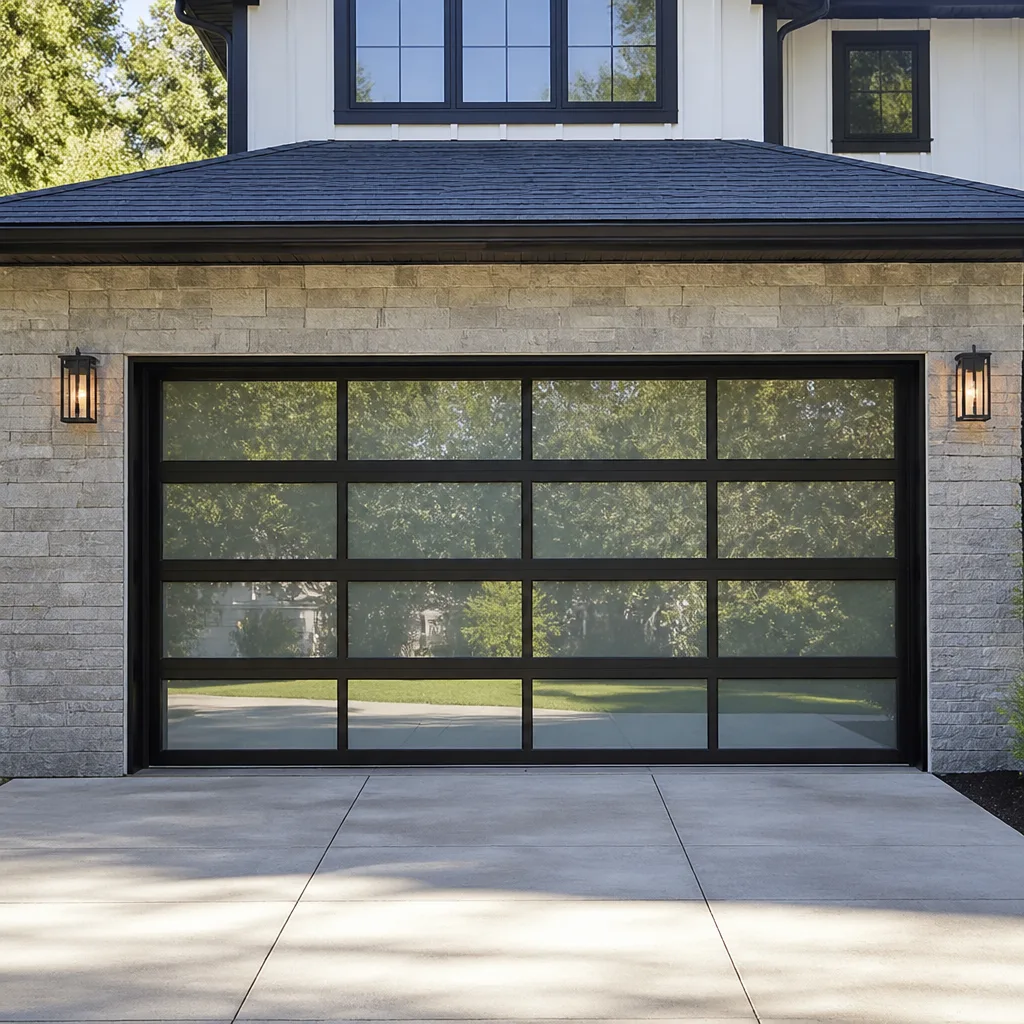 Full-view glass
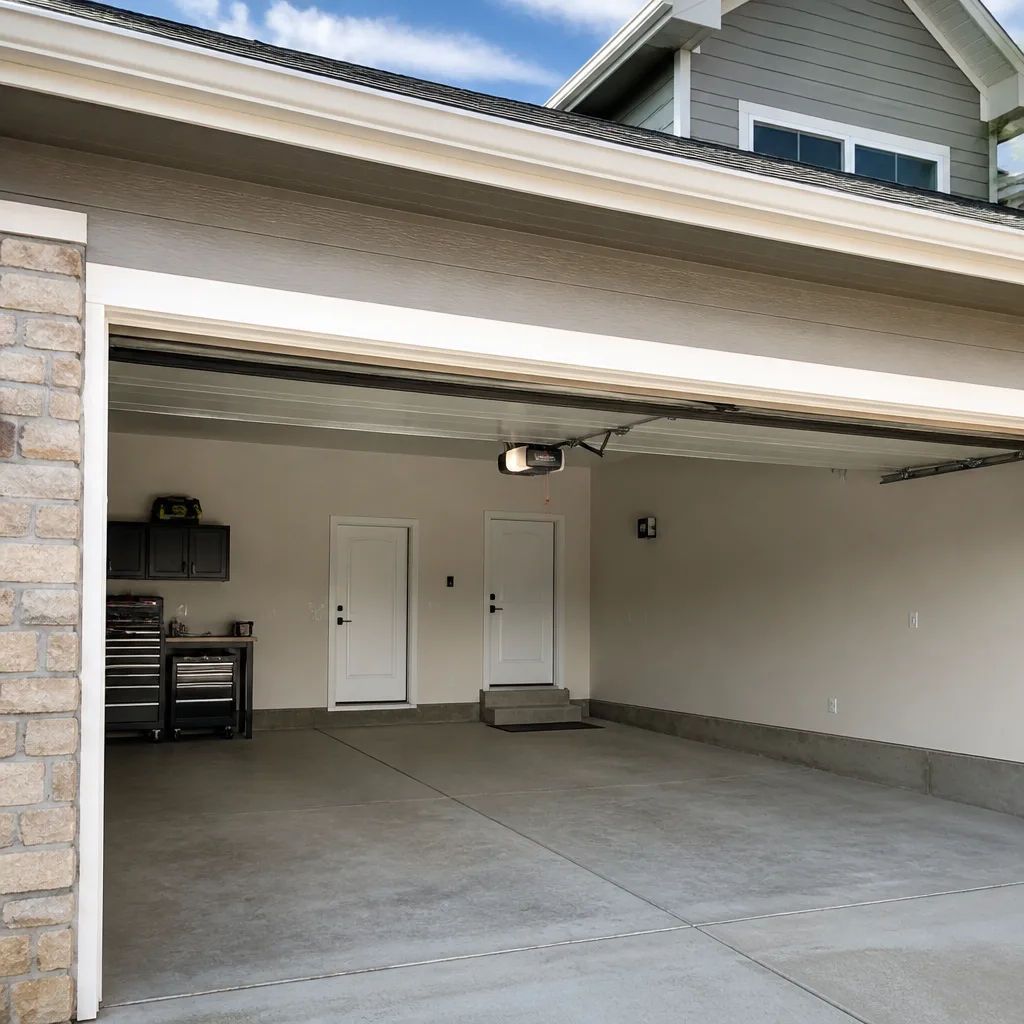 LiftMaster openers
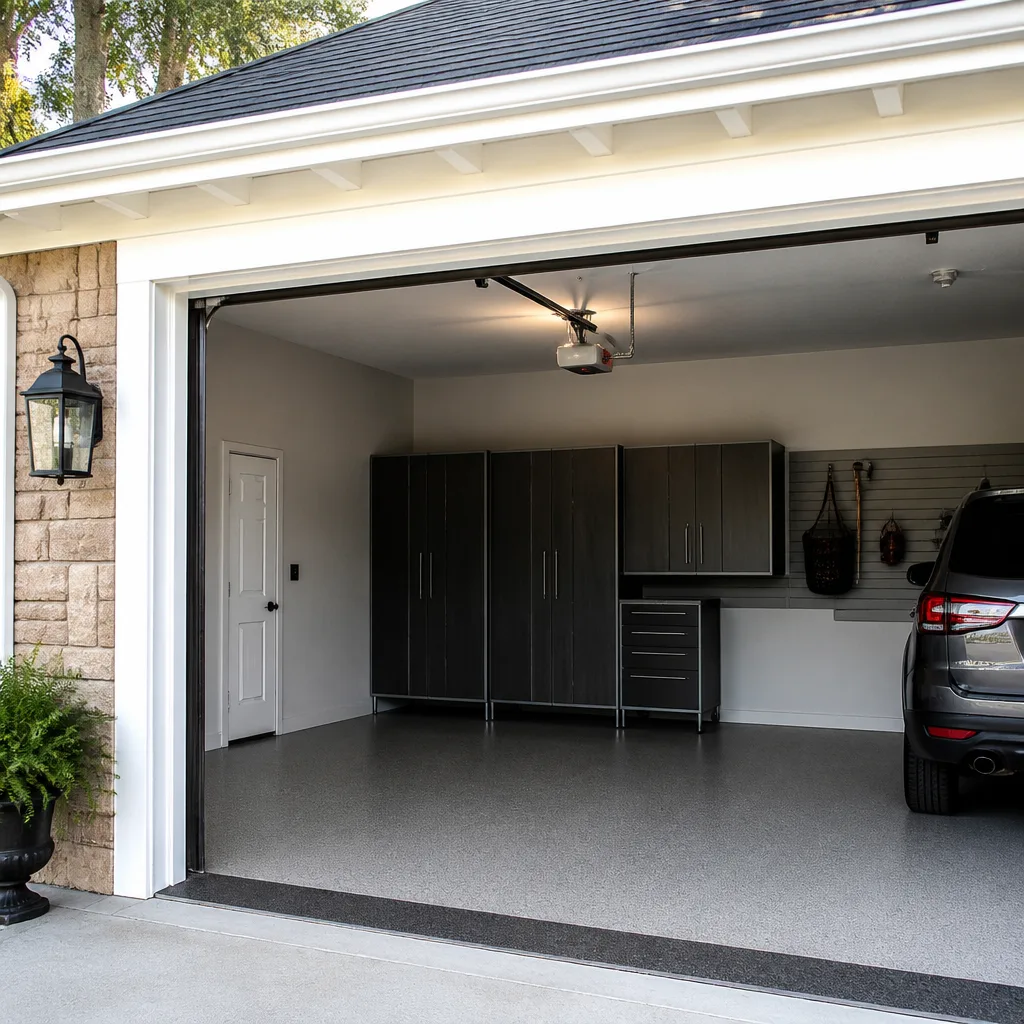 Chamberlain openers
Full 25-point door and opener safety check with every visit - springs, cables, rollers, tracks, and your LiftMaster or Chamberlain opener included
You get a price before we start. It does not change when the pro arrives.
Get your free estimateGarage Door Repair Maintenance Checklist for Wanamaker Homeowners
The number one maintenance mistake Wanamaker homeowners make isn’t skipping lubrication. It’s lubricating the wrong parts with the wrong product, and speeding up the wear they were trying to prevent. Tracks get greased, rollers get sprayed with whatever’s in the garage, and nylon hardware starts collecting grit that grinds it down. A garage door is a system, and a checklist only works if it’s matched to the system you actually have: a newer insulated steel door under a LiftMaster or Chamberlain opener needs different attention than a wood door with a legacy Craftsman chain drive that’s been cycling through Indiana summers and winters for a decade. This guide organizes every task by door type, age bracket, and the seasons that hit Wanamaker hardest, so each item on the list is genuinely relevant to what’s hanging over your cars.
Quick Answer
A good garage door maintenance checklist for Wanamaker covers four things: what to lubricate and what to leave dry, a 60-second balance test that reveals how much life is left in your springs, weather seal inspection across the bottom, sides, and top before winter, and age-specific tasks that change once a door passes the ten-year mark in Indiana’s climate. Do the light tasks yourself, log the results, and call a specialist the moment you find cracked springs, frayed cables, or a door that no longer balances.
Styles & brands we work with
- Raised-panel steel
- Carriage house
- Modern flush
- Full-view glass
- LiftMaster openers
- Chamberlain openers
Table of Contents
- What to lubricate and what to never touch
- The 60-second spring balance test
- Age-specific tasks for Indiana’s climate
- Inspecting the weather seal system
- Maintenance by door type and opener brand
- A seasonal schedule for Wanamaker
- Building a maintenance log that helps your technician
- Where DIY maintenance ends and a professional begins
What to Lubricate and What to Never Touch
Lubrication is the task most homeowners get half right, and the half they get wrong causes the most avoidable wear. The principle is simple: moving parts that rub metal on metal or metal on nylon want a proper garage door lubricant, and anything that’s supposed to grip should stay dry. Tracks are the classic error. Tracks are guides, not gears. Greasing them attracts grit, and grit mixed with grease turns into a grinding paste that chews through rollers.
Here’s the breakdown we’d give a neighbor in Wanamaker who asked us to walk through their garage:
Lubricate these parts
- Roller bearings and stems with a silicone-based or lithium grease spray. Nylon rollers take a light silicone spray; metal rollers take grease at the bearing.
- Hinges at every joint, one short burst per hinge, wiped clean afterward.
- Spring coils with a dedicated garage door spring lubricant. Never motor oil, never WD-40 in its standard water-displacing form, and never anything with a solvent base.
- Opener drive chain or screw with the lubricant the opener manufacturer specifies. A LiftMaster or Chamberlain belt drive usually needs nothing at all here, while a chain drive on a Raynor setup wants a low-tack chain lubricant.
- Lock and handle mechanism on any manual-locking door with a dry graphite or light grease.
Never lubricate these parts
- Tracks. Wipe them with a damp cloth, dry them, and leave them clean. A dry track is a happy track.
- Photo-eye lenses on the opener safety system. Dirty lenses cause false reversals, and grease smears them worse.
- Rubber weather seals and bottom astragal. Petroleum-based products break down the rubber. A silicone spray on the seal’s contact edge is acceptable in moderation; a coating of grease is not.
- Nylon idler gears inside the opener head unless the manufacturer’s manual says otherwise. Most are designed to run dry.
What product to use matters as much as where. Use one can of white lithium grease, one can of silicone-based spray, and one dedicated spring lubricant. Three products cover every task on this checklist. If you own a can of all-purpose household oil, keep it away from the door. House oil leaves a sticky film that attracts Indiana dust in summer and holds road grit in winter, and both find their way into door hardware quickly this close to I-465 and the Marion County line.
If you want to skip the guesswork entirely, our team handles garage door repair and preventive service across the south side, and we walk through lubrication and hardware checks as part of a routine visit.
The 60-Second Spring Balance Test
Your garage door springs carry the weight of the door, and when they’re carrying it well, the opener barely has to work. When they’re weakening, the opener takes on the load and eventually burns out. The balance test tells you where your springs stand in about a minute, and it’s the single most useful diagnostic a homeowner can run.
Here’s how it works, safely:
- Disconnect the opener. Pull the red emergency release handle so the door is under manual control. Never leave the door unattached while the opener is running.
- Raise the door to about waist height and stop.
- Let go. Do not push or pull. Observe what the door does on its own.
- Read the result:
- The door stays put at waist height: springs are balanced and doing their job.
- The door slowly drifts down a few inches and stops: springs are weakening but still functional. Keep an eye on it.
- The door drops fast or slams down: springs have lost tension or failed. Stop using the opener and call a technician.
- The door climbs back up on its own: springs are over-tensioned. Also a call-a-technician situation.
- Reconnect the opener only if the door stayed put in step 3.
Run this test once a month, and right before the worst of winter weather arrives in Wanamaker. Cold shrinks steel and changes spring tension, and a door that balanced in October might not balance in January. A torsion spring that’s near the end of its cycle life will typically show it first as a slow drift down during this test.
Here’s what the result tells you about remaining spring life. Garage door springs are rated in cycles, meaning one full open-close is one cycle. Standard springs commonly carry a rated life in the low tens of thousands of cycles; heavy-use springs rated for more are available and worth asking about if your door runs multiple times a day. If your door is opened four to six times a day, you’ll chew through standard spring life faster than a household that opens twice. When a door starts drifting in the balance test, you’re in the final stretch of that spring’s rating, and it’s the right time to schedule a replacement rather than waiting for the spring to break.
Speaking of breaks: never, ever attempt to adjust, remove, or tension a torsion spring yourself. Those springs are under hundreds of pounds of stored force, and the tools that handle them safely are specialty tools. A sudden release is how people get seriously hurt. Spring work belongs with a technician. On the other hand, a quick, low-risk check like the balance test above is fine for anyone comfortable pulling a release handle.
Our technicians have up to 14 years of experience with spring repair specifically, and it’s one of the repairs we take most seriously. Springs are dangerous, and that’s exactly why we handle them rather than talking anyone through it over the phone. If your balance test turned up a problem, our Garage Door Repair Wanamaker team can take a look.
Age-Specific Tasks for Indiana’s Climate
A door under five years old and a door over ten years old need very different care, even if they’re the same model. Indiana’s climate does specific things to garage doors, and the timeline matters.
Doors under 5 years old
New-ish doors are in their easy years. Maintain the basics and let the door do its job.
- Lubricate quarterly the parts listed above, especially the springs and hinges. Regular lubrication is the single biggest thing you can do to protect a young door.
- Run the balance test monthly so you have a baseline. Spring tension is at its strongest here, so any drift is a real signal.
- Wipe tracks monthly and check them for dings. A new door’s vertical tracks are easy to bump with a lawnmower or bike handle.
- Test the opener’s auto-reverse monthly. Lay a rolled newspaper or a 2×4 flat on the floor, close the door, and watch whether it reverses on contact. It should. Test the photo-eye pull-down too.
- Check weather seal edges seasonally. Seals don’t usually wear this early, but sunlight and heat shrink them.
- Inspect hardware torque annually. Track bolts and hinge screws work loose with vibration; a screwdriver and a socket wrench are all you need to snug them.
Doors over 10 years old
Past ten years, the rubber and hardware in a door start showing their age, and Wanamaker’s climate has a way of accelerating that. Our summers hit the mid-80s and humid; our winters swing back and forth around freezing, which is the harder test. A garage door that’s seen a decade of freeze-thaw cycles has seals that harden, springs that’ve cycled through their rating, and rollers that have picked up real wear.
- Weather seals need a full inspection every fall. Bottom seals harden and crack in the cold; side and top seals pull away from their tracks. Any gap you can slip a credit card through is a heat leak and a wind-driven rain entry point.
- Springs need a technician inspection annually. No, we can’t put a number on remaining life by looking, but a technician can see the warning signs – rust, coil separation, uneven wind – long before a break.
- Rollers on nylon bearings often need replacing around this point. Worn rollers make the door noisy, put stress on the opener motor, and cause the door to bind.
- Panel integrity check. Steel panels dent; wood panels take on moisture and swell. On the south side of a Wanamaker house, a garage that gets direct sun will show paint and panel wear faster than one in shade.
- Opener capacitor and gear inspection. A ten-year-old LiftMaster or Chamberlain opener is right at the age where capacitors weaken and nylon gears strip. A technician can test these before they fail.
- Consider a full safety inspection. Codes and manufacturer safety features have moved forward since a door built 10 or 15 years ago, and it’s worth having the whole system audited.
If the door is over ten years old and hasn’t been worked on, it’s often worth getting a straight assessment before deciding between repair and replacement. A specialist can tell you honestly whether the door has another decade in it or whether you’re patching something you’ll replace soon. Our team also handles garage door installation when the answer is replacement, and we’re happy to quote both paths.
Inspecting the Weather Seal System
The weather seal system is where maintenance returns the most visible dividend in Wanamaker each winter. It’s also the part of the door most homeowners inspect least carefully, because they don’t know how many seals there are. There are three: the bottom seal, side jambs, and the top seal. Each fails differently.
The bottom seal (astragal)
Kneel down and run your hand along the bottom edge of the closed door. You’re checking for:
- Cracks or hardening. New rubber flexes; old rubber crumbles. If you can snap off a piece with a thumbnail, it’s time.
- Gaps between the seal and the floor. Look along the floor line with a flashlight. Any light visible from outside is a draft path. Flashlight testing at night is the easiest way to see this.
- Compression. A properly sized seal flattens slightly against the floor. A seal that’s fully compressed or barely touching means either the seal is worn or the door track height needs adjustment.
- Uneven wear. One section flattened more than another suggests the door is out of level, which is a technician problem.
Side jamb seals
These run vertically in the door frame and press against the door’s sides. Tips:
- Open the door and look at the inner edge of each side seal for tears, chunks missing, or gaps.
- Close the door and check for daylight at the edges. Handle the flashlight test again.
- Look at the base of the side seal where it meets the floor. That junction is the most common leak point because water pools there.
- Look for insect entry. A small gap at the bottom of a side seal is a favorite path for insects moving in for winter.
Top seal
The top seal sits above the door and is the one people forget. On a closed door, check:
- The seal’s connection to the header for sagging or separation.
- Whether the top of the door’s panel meets the seal evenly. A door that’s drifted out of square will show a wider gap at one end.
- Water damage on the header or ceiling near the seal, especially on the north-facing side of a Wanamaker garage where snow piles up.
If you find any of these problems, a seal replacement is inexpensive and pays back in heating and cooling. A winter with a bad bottom seal and side gaps drains heat from the garage that warm air could have otherwise used on the room above. Our team can supply and fit any of these seals, and this is also a good time to think about whether a garage door opener repair is needed if the door’s been struggling.
Maintenance by Door Type and Opener Brand
Not every task on this list applies to every door. Here’s what changes based on what you’ve got.
Steel and insulated steel doors
Steel doors are the most common in Wanamaker and the easiest to maintain.
- Wash panels twice a year with mild detergent to remove road film and pollen.
- Touch up any scratches or dents to prevent rust spots from spreading.
- Insulated steel doors – often Clopay or Amarr – need no special interior maintenance unless you see condensation on the inner face, which suggests a failing seal.
- In cold spots, check the bottom of insulated panels. Ice forming at the bottom edge means air infiltration.
Wood doors
Wood doors are more work but last beautifully if maintained.
- Re-stain or seal every two to three years, or when the finish looks dull or chalky. Indiana’s freeze-thaw cycles are hard on wood finishes.
- Inspect for cracking, splitting, or rot at the bottom edge where moisture collects.
- Watch the bottom corners for water damage; that’s where the door is most vulnerable.
- Keep a closer eye on the balance test results in mid-winter. Wood expands and contracts with humidity swings, which shifts weight distribution.
Opener brand considerations
Your opener’s maintenance needs vary by brand and generation.
- LiftMaster and Chamberlain (Chamberlain is the parent of LiftMaster): belt and chain drives are the most common configurations. Belt drives need almost no lubrication; chain drives want a chain-specific product every year. Smart-enabled models from both brands need occasional firmware updates, and if your opener’s app is misbehaving, that’s often the fix.
- Craftsman: legacy models from years ago often still run strong, but their older capacitor and gear set are the first things to show age. Belt drive Craftsman units need clean, dry tracks and careful lubrication of the drive components rather than the track itself.
- Raynor and Genie: chain drive systems that benefit from chain lubricant and annual hardware torque checks.
The point isn’t that one brand needs a dramatically different list. It’s that knowing what you have means the checklist tells you which item to actually look at. Our technicians work on 8 of the major garage door and opener brands sold in North America, including the ones mentioned above, so whatever’s in your garage we’ve opened, adjusted, and serviced a system like it. We’re also a single source for parts, which means we’re much less likely to leave you waiting on a back-ordered component.
A Seasonal Schedule for Wanamaker
Maintenance done on a schedule is worth ten times more than maintenance done when something breaks. Here’s a rhythm that fits Indiana’s seasons specifically. Wanamaker sits south of Indianapolis, close enough to the city that humidity behaves like it does downtown, with cold winters that swing hard around freezing.
Spring (March to May)
- Lubricate springs, hinges, and roller bearings.
- Wipe tracks and inspect for dings left from winter.
- Run the balance test.
- Test auto-reverse and photo-eye safety systems.
- Wash steel doors to remove winter road film and de-icing residue.
- Check the bottom seal after the freeze-thaw cycle; winter is the season bottom seals fail fastest.
Summer (June to August)
- Re-check tracks for expansion warps; extreme heat can affect track alignment on some installations.
- Inspect wood doors for finish wear and touch up staining before fall rains.
- Run the balance test again, especially before the heaviest air-conditioning season, since keeping the house closed and cool means the door runs more.
- Clean the opener’s photo-eye lenses; summer dust clings to lubricated surfaces and can block the eyes.
Fall (September to November)
- This is the big one. Full weather seal inspection: bottom, sides, and top.
- Schedule a technician inspection of springs and opener if it’s been more than 12 months.
- Lubricate everything in the checklist ahead of cold weather.
- Check the top seal and header for potential leaks before the first freeze.
- Test the opener’s force setting and reverse mechanism with a new battery in the remote.
Winter (December to February)
- Run the balance test more frequently. Cold changes spring tension and door weight.
- Watch for ice at the base of the door, which means a seal failure that needs fixing.
- Clear snow from the inside of the garage apron and spread the weight of any snow against the door evenly.
- If the door won’t close all the way, don’t force it. That’s a call-a-technician signal.
- Keep an eye on door noise. A door that suddenly gets louder in cold weather is telling you something has changed.
Building a Maintenance Log That Helps Your Technician
Why a log? Because the moment a technician pulls into your driveway, the fastest path to a correct diagnosis is a written history. Here’s a template you can copy into a notebook or a note on your phone. You don’t need anything sophisticated.
For each entry, record:
- Date and task performed (lubrication, balance test, seal inspection, technician visit).
- Balance test result: held at waist height, drifted down slowly, dropped fast, or rose on its own.
- Hardware observations: loose hinges tightened, rollers inspected, any bent tracks.
- Seal condition: bottom, sides, top. Note any cracks, gaps, or daylight seen.
- Noise observations: smooth, rattling, squeaking, grinding.
- Opener behavior: reverses on contact, responds slowly, remote range, unusual sounds.
- Technician visits: date, what was serviced, and any parts replaced.
- Repair history notes: any parts replaced by brand and component.
When a technician arrives with that log in hand, they can tell within minutes whether the problem you’re seeing is new or part of a pattern. They can also tell you which components are getting close to their replacement interval. On doors over ten years old, this is especially valuable; the repair history of the springs, rollers, and opener is often the best predictor of what’s coming next.
What to log when we visit: we’ll write down what was serviced and any parts we replaced so you have a record. If you’re considering a full garage door repair or you’re ready for a service visit, our team works from the same document the customer starts, which means your log and ours stay in sync.
Where DIY Maintenance Ends and a Professional Begins
Some of this checklist is designed for homeowners, and some of it really isn’t, and we want to be clear about which is which. That’s not a sales tactic. It’s the truth about which jobs carry a genuine risk of injury and which don’t.
Safe for the homeowner
- Lubrication, wiping tracks, tightening visible screws.
- Balance test (using the release handle only).
- Opener auto-reverse test, photo-eye test, battery replacements.
- Washing surfaces and touch-up painting.
- Visual seal inspections and flashlight draft checks.
- Log keeping.
Call a professional
- Any spring adjustment or replacement. Torsion and extension springs store dangerous energy. The wrong move can snap hardware loose or cause serious injury.
- Cable repair or replacement. Cables are under high tension and can whip free if released incorrectly.
- Track realignment. A bent track can force the door off its guides, and the whole door can crash.
- Opener motor or gear work. Beyond cleaning and testing, the internals of an opener are best left to a technician.
- Panel replacement. Getting a panel in or out safely means understanding the door’s balance and supported weight.
- Door replacement. Not maintenance, but if your log tells you repairs are piling up on a 20-year-old door, replacement may be the better call.
And the one universal safety note: if your garage door ever looks like it might fall, don’t stand under it, don’t use it, and call for help. A garage door weighs in the hundreds of pounds, and a sudden failure has no good outcome. Treat the safety system on your opener as non-negotiable and test it monthly.
Common Mistakes to Avoid
- Greasing the tracks. It’s the mistake almost everyone makes and it’s the worst for door life. Tracks need to be clean and dry, not lubricated. Grease attracts grit, which grinds rollers and creates binding.
- Using WD-40 or motor oil on hardware. Both do the wrong job on a garage door. WD-40’s water-displacing formula doesn’t stay put as a long-term lubricant, and motor oil draws dust. Use proper garage door grease or silicone spray.
- Forcing a stuck door with the opener. When a door is out of balance or a spring is failing, the opener is being asked to lift the full weight of the door. The result is often a burned-out opener motor or stripped gear.
- Skipping the balance test. This is the easiest diagnostic available and most homeowners never run it. A drifting door is telling you exactly when to schedule spring service, before it fails.
- Ignoring winter seals because the garage isn’t heated. Even an unheated garage with a bad seal costs you on the heating bill for the rooms above it. In Wanamaker’s winters, it also invites water damage and interior condensation.
- Changing the opener’s force setting to make a heavy door close. That setting exists for safety, not for overriding a failing spring. Adjusting it to false-close a heavy door is exactly how opener gears strip and doors fall.
- Trusting an unknown “handyman” for door work. Garage doors are close to all we do, and this is the reason. A general maintenance person who doesn’t know the specific mechanics of your door can pass problems along rather than fixing them.
See the difference
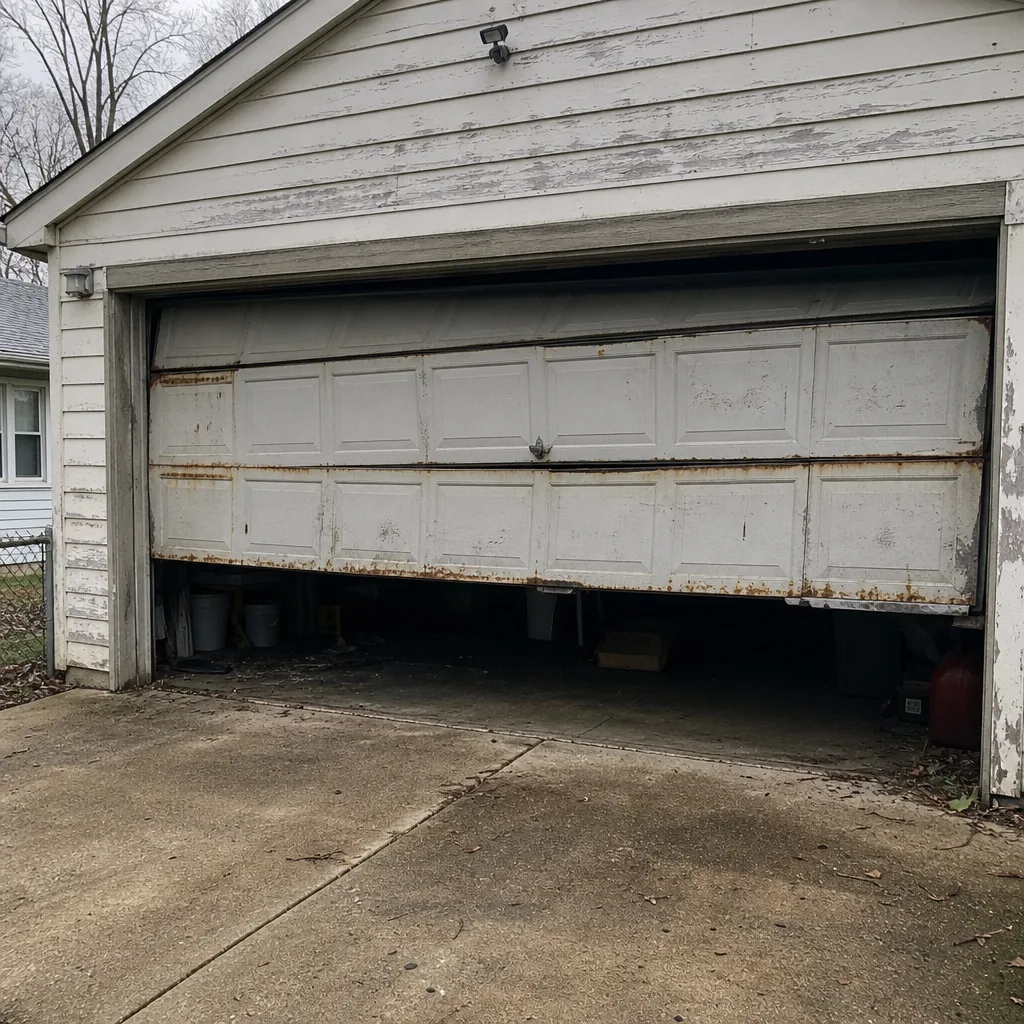 Before
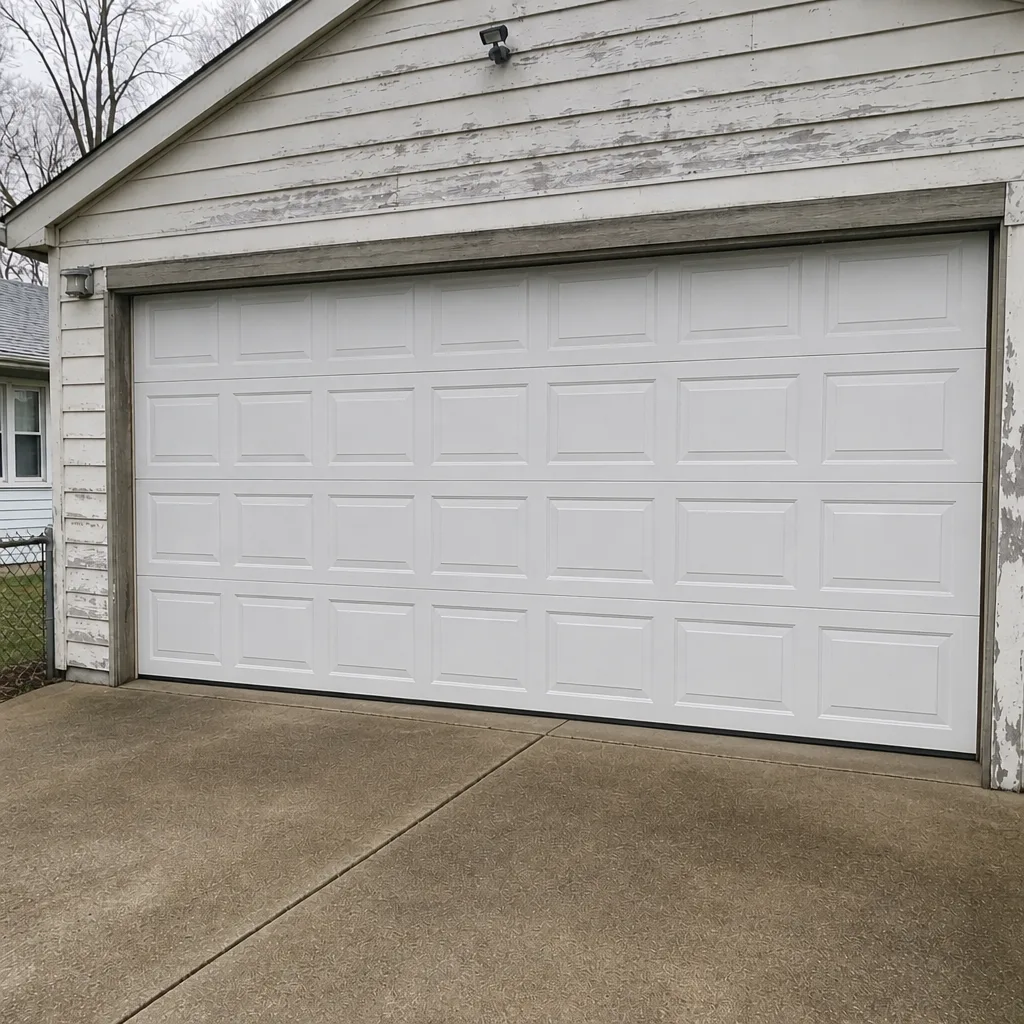 After
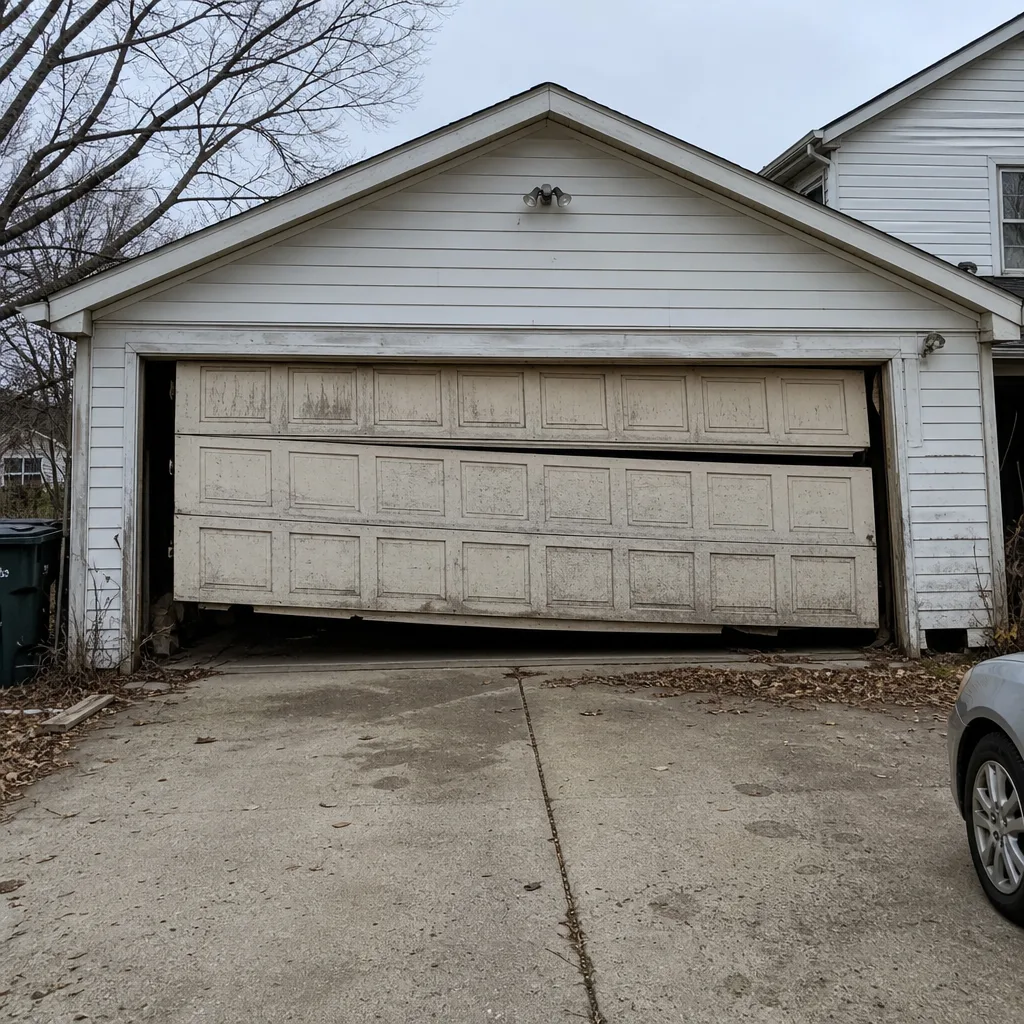 Before
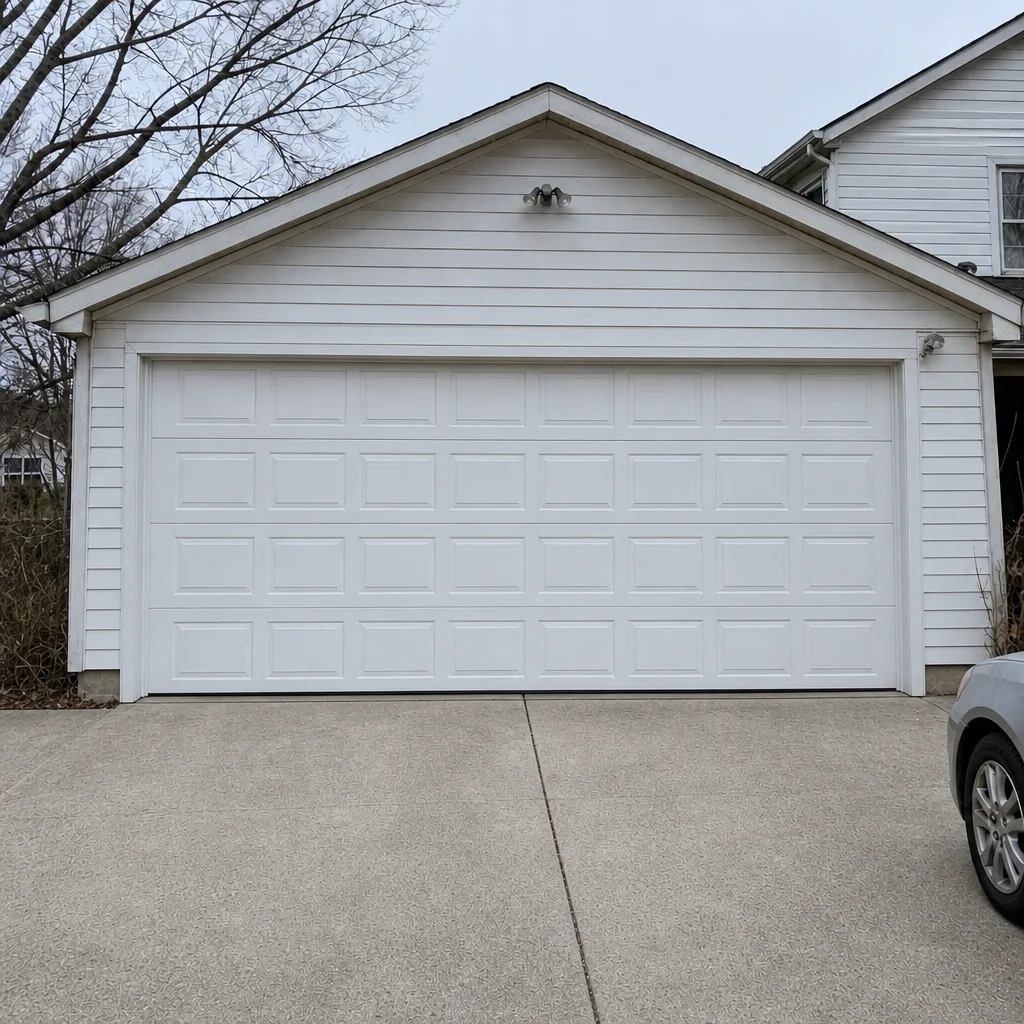 After
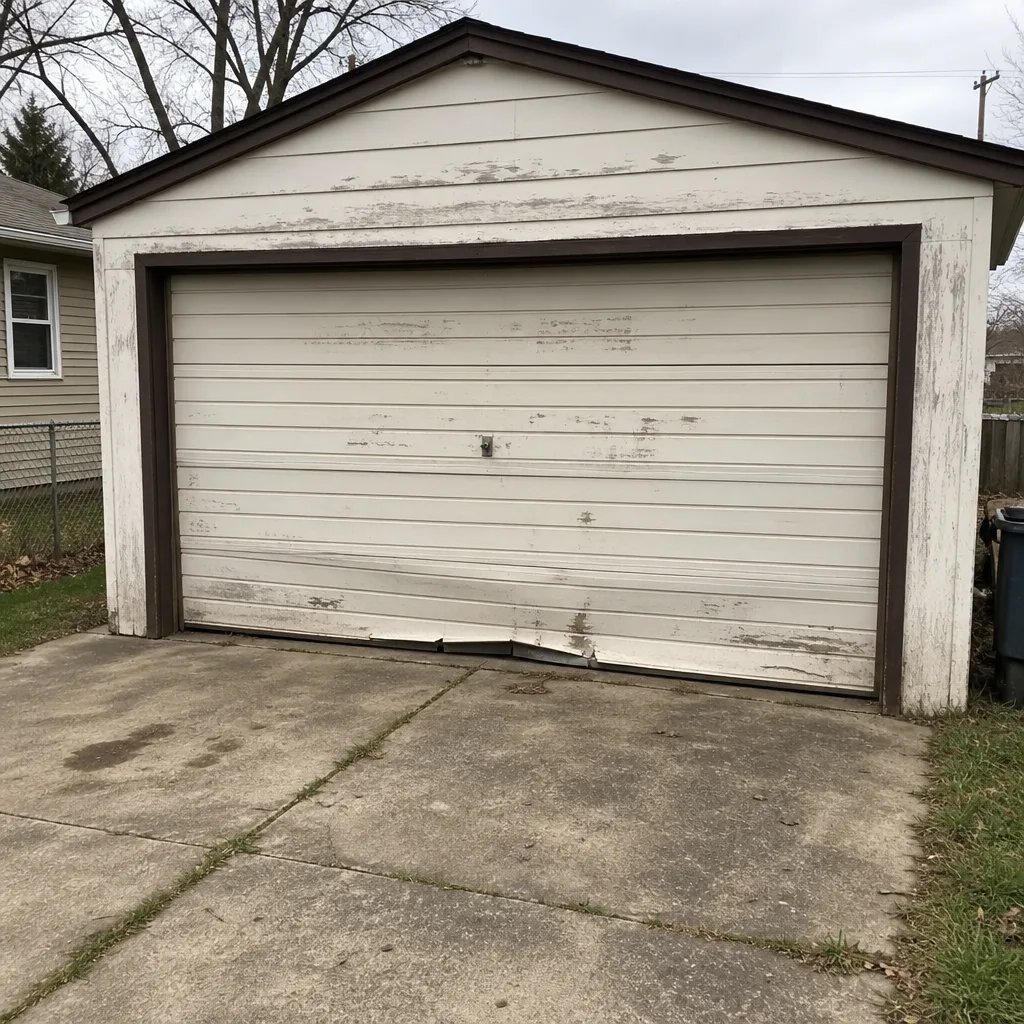 Before
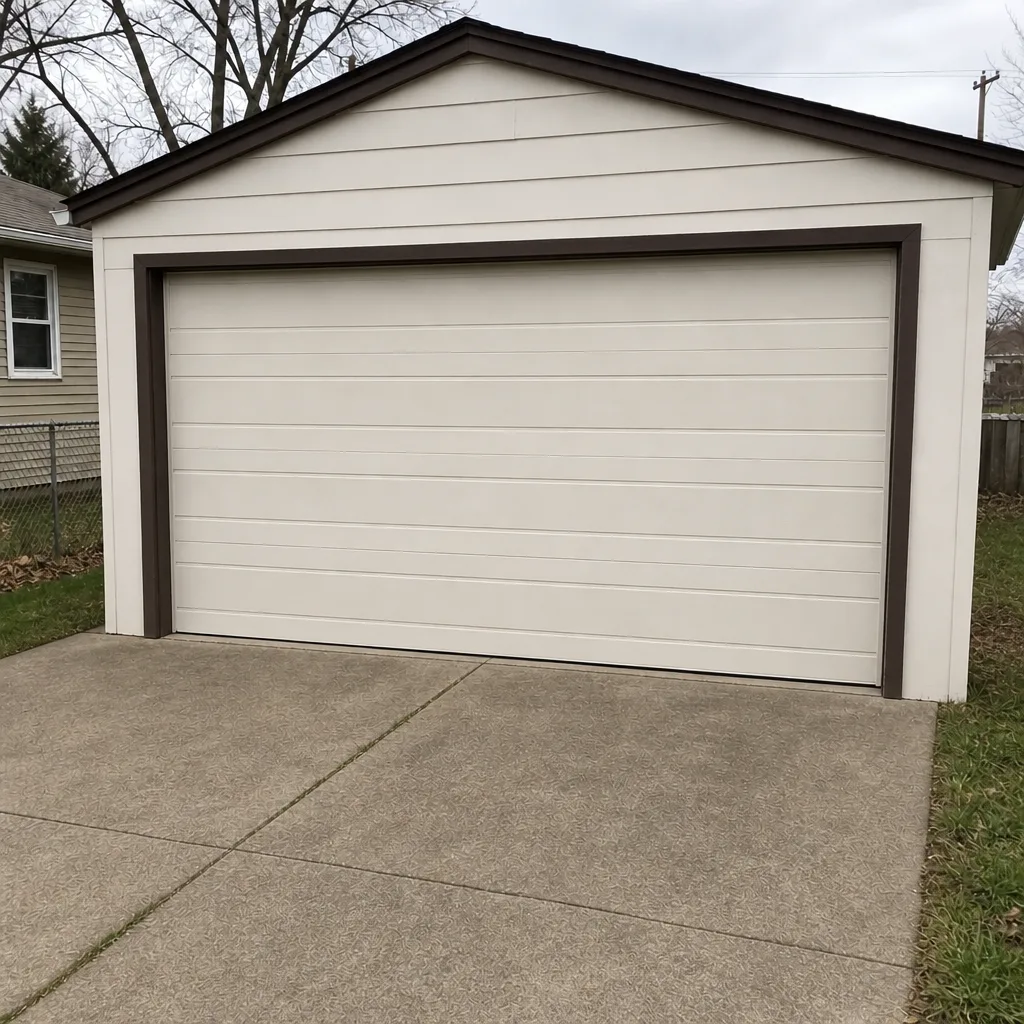 After
When to Call a Professional
Call a professional the minute you find any of these in your checklist: a balance test that fails (the door drops or rises on its own), visible cracks or separations in the springs, frayed or kinked cables, a door that won’t close evenly on both corners, an opener that runs but the door doesn’t move, or any hardware that looks loose or bent under load. Also call if your door is over ten years old and hasn’t had a full inspection; a technician can spot problems you’d never see. Garage Door Repair Wanamaker offers free estimates across the south side, and our team can walk you through everything that matters in your garage. Call (855) 593-3820.
Frequently Asked Questions
Four times a year, or roughly every season, with proper garage door grease or silicone spray. Lubricate springs, hinges, roller bearings, and the drive chain if you have one; never lubricate the tracks. In Wanamaker, we suggest tacking on an extra lubrication in late fall, right before cold weather arrives. Call (855) 593-3820 for a professional service if you’d rather not do it yourself – estimates are free.
A failed balance test means the springs aren’t doing their job, and you should stop using the door until a technician sees it. Springs that drop fast, or a door that rises on its own, indicate either worn or over-tensioned springs. Never attempt spring adjustment yourself. Call (855) 593-3820 and we’ll get a technician out – free estimates.
No, and it’s one of the most common mistakes homeowners make. Regular household grease attracts dust, and motor oil deposits a film that turns into grinding paste. Use lithium grease for roller bearings and hinges, silicone spray for nylon parts, and a dedicated spring lubricant for the coils. Tracks should be wiped clean, not greased. If you’re not sure what to use on your LiftMaster or Chamberlain opener, our team can tell you exactly. Call (855) 593-3820 for an exact quote on a service visit.
Squeaking or groaning in cold weather is usually a lubrication issue or a sign that rollers and hardware are wearing. Cold shrinks metal, and springs lose some tension, which can make the whole system noisier. A late-fall lubrication and a quick hardware inspection usually fixes it. If noise continues or worsens, it’s worth a technician look. Call (855) 593-3820 for a professional inspection.
Check the bottom, side, and top seals for cracks, hardening, or visible light gaps. If you can slip a credit card through a gap, the seal has failed. Bottom seals harden fastest in cold weather, so inspect before the first freeze. Call (855) 593-3820 for an exact quote on seal replacement – estimates are free.
Yes – a younger door needs fewer items, but lubrication, the balance test, and safety tests on the opener still apply. Skipping them on a newer door just accelerates the wear you’ll pay for later. Our technicians have up to 14 years of experience and can walk you through a custom checklist for your door’s age and type. Call (855) 593-3820 for a free estimate on a service visit.
The Bottom Line
The best maintenance checklist for your garage door isn’t the generic one-size list every website repeats. It’s the one matched to your door type, its age, and the climate conditions of a Wanamaker winter. Lubricate the right parts, skip the wrong ones, run the 60-second balance test every month, inspect seals before each cold snap, and keep a simple log so a technician has the repair history when you call. Do that and your door stays quiet, balanced, and weatherproof. Leave the springs and cables alone. If your log turns up something you’re not sure about, a free estimate from a specialist answers the question faster than guessing. Call (855) 593-3820. We answer 24/7. Fast dispatch from 7am to 7pm, Sunday through Friday.
Written by the team at Garage Door Repair Wanamaker.