
Last updated November 20, 2026
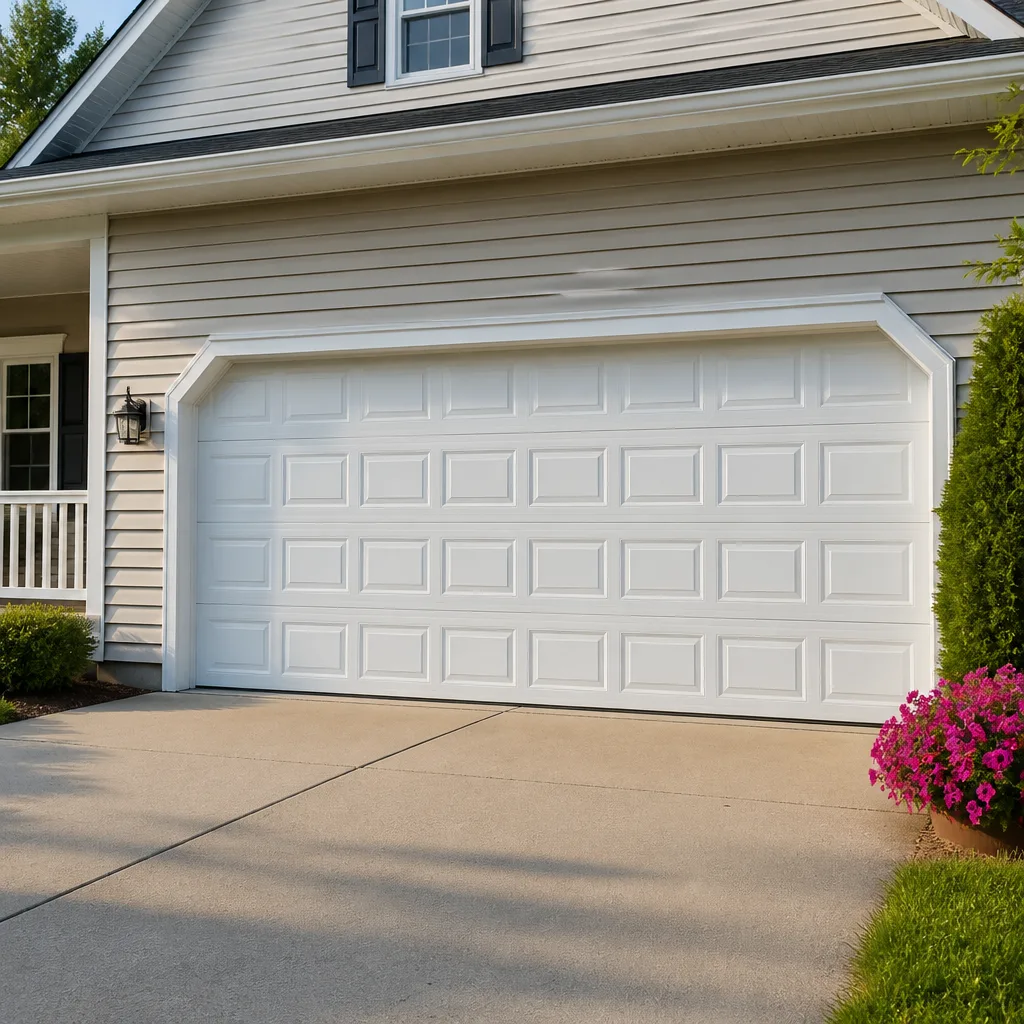 Raised-panel steel
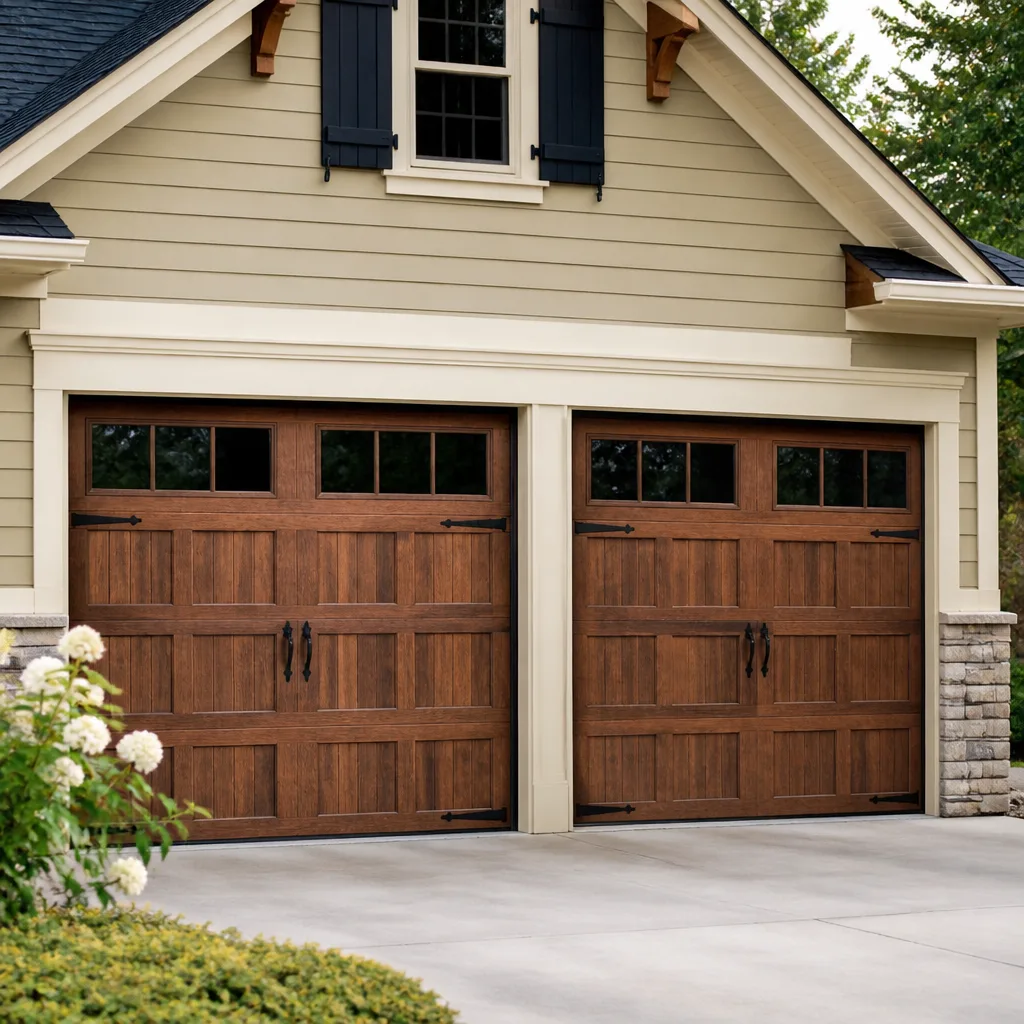 Carriage house
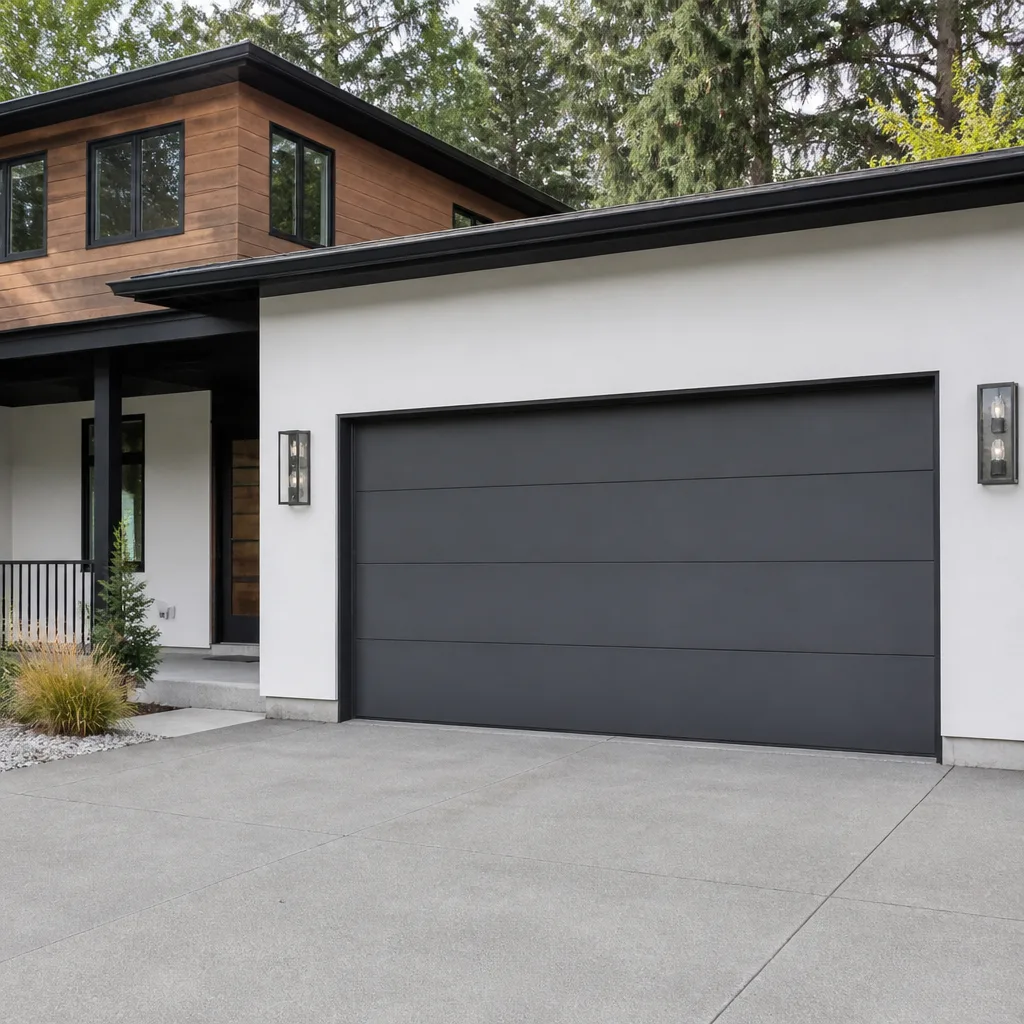 Modern flush
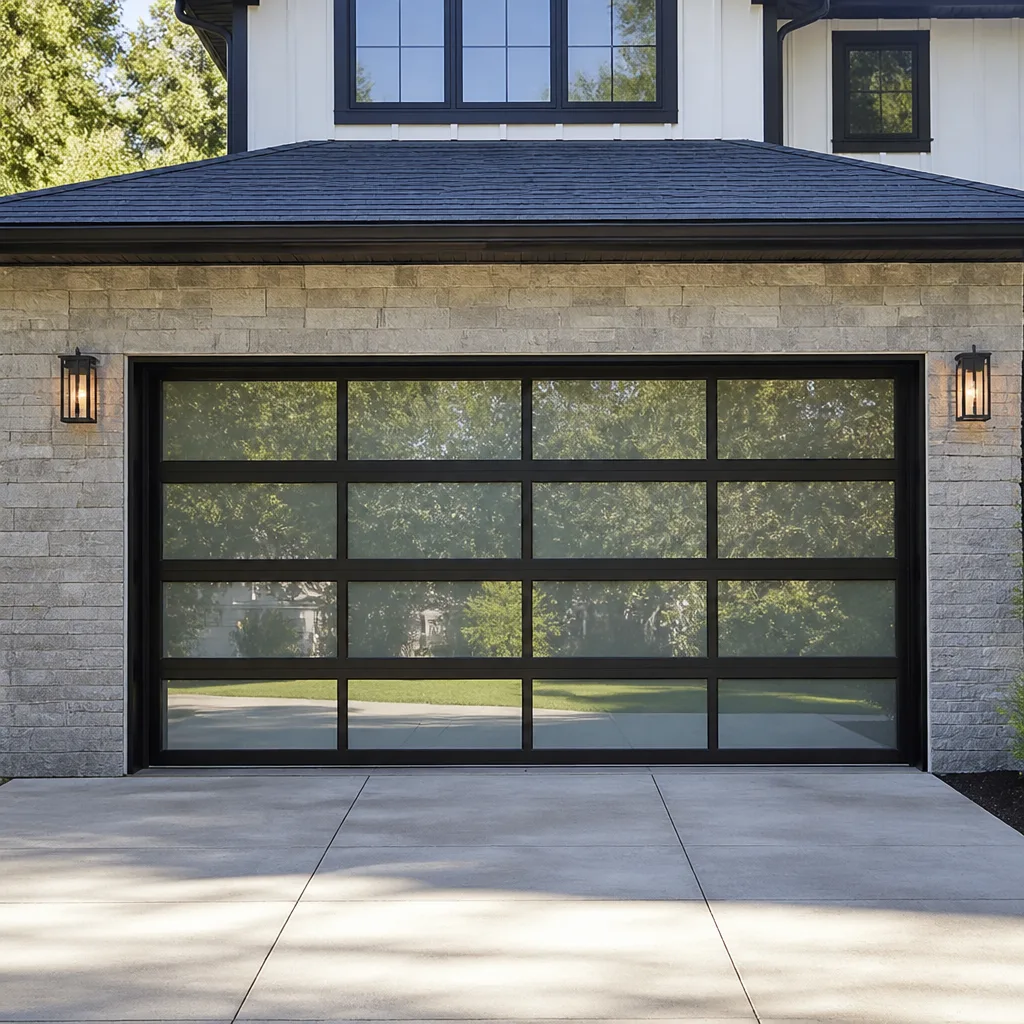 Full-view glass
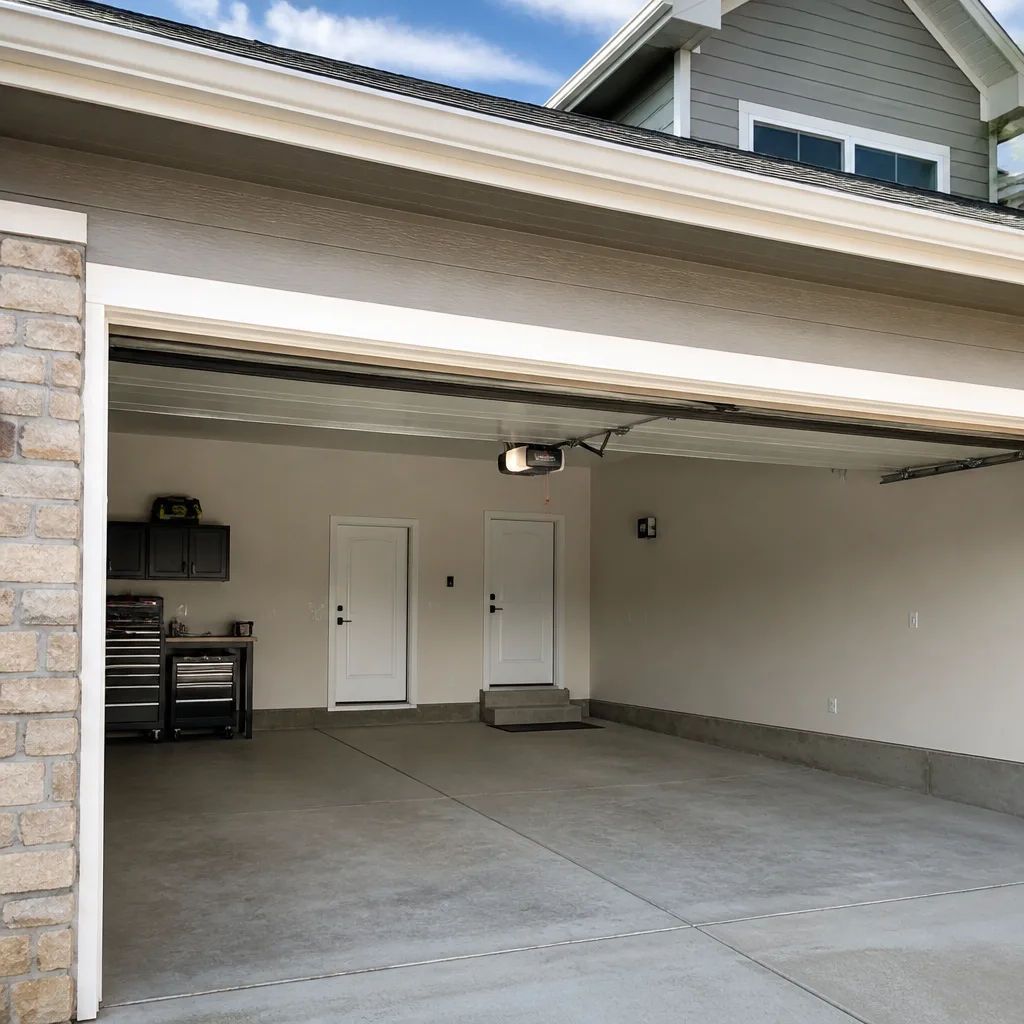 LiftMaster openers
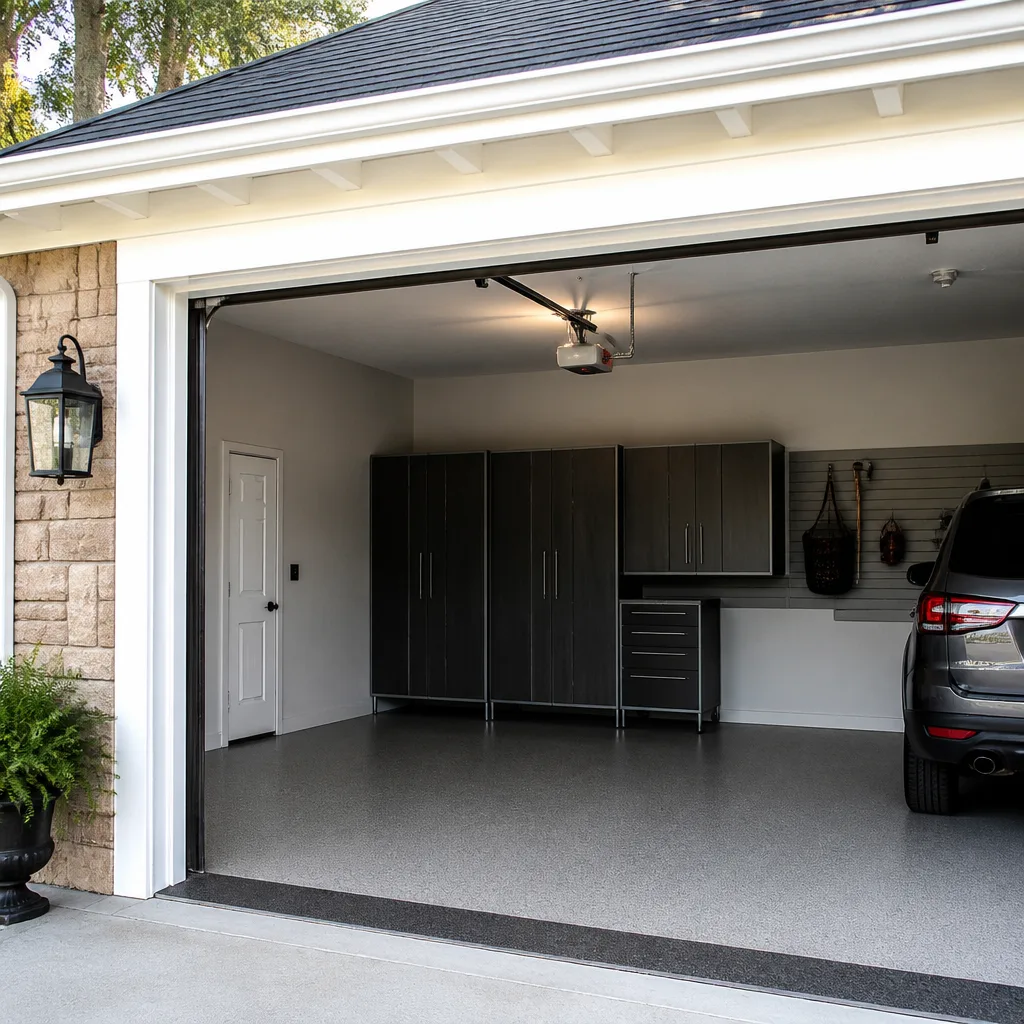 Chamberlain openers
Full 25-point door and opener safety check with every visit - springs, cables, rollers, tracks, and your LiftMaster or Chamberlain opener included
You get a price before we start. It does not change when the pro arrives.
Get your free estimateDIY vs Professional Garage Door: The Wanamaker Homeowner’s Decision Guide
Most homeowners assume the DIY-or-call question comes down to nerve. It doesn’t. It comes down to stored energy. A torsion spring under load holds enough force to cause permanent injury in under a second, and that single fact redraws the whole map of what you should touch yourself. Adjusting your opener’s travel limit, swapping a weather seal, or lubricating rollers is something any careful Wanamaker homeowner can finish in an afternoon. Winding a spring, cutting a tensioned cable, or resetting a drum is not. This guide separates those tasks honestly, task by task, and shows you where a “simple” fix is actually a symptom of a bigger problem.
Quick Answer
Cosmetic and sensor-level tasks are safe for a careful homeowner; anything involving springs, cables, drums, or the counterbalance system should go to a trained technician. That line isn’t about skill, it’s about how much stored energy sits behind the part you’re about to move. If you’re unsure which side of the line your task falls on, the safe default is to have it looked at before you start.
Styles & brands we work with
- Raised-panel steel
- Carriage house
- Modern flush
- Full-view glass
- LiftMaster openers
- Chamberlain openers
Table of Contents
- Why garage doors split into safe and dangerous tasks
- The task-by-task guide: safe for DIY, professional only, and never DIY
- The tools a legitimate DIY job needs
- When a “simple” task is actually a symptom
- The real cost comparison: parts, labor, and callbacks
- What you can safely do between professional visits
- Common mistakes to avoid
- When to call a professional
Why garage doors split into safe and dangerous tasks
A garage door is a counterbalance system, not a simple door. The panels are heavy, and the springs, cables, and drums work together to make that weight feel almost weightless when you lift it. When something goes wrong deep in that system, the failure isn’t gradual. Once a spring or cable lets go, there’s no time to step back.
That’s why the DIY question isn’t “how handy am I?” It’s “what happens if this part moves unexpectedly?” For a weather seal, nothing happens. For a torsion spring, everything happens at once. In our experience, this is the single line most homeowners cross without knowing it.
There’s a second layer people miss: modern doors tie the opener, the door, and the safety sensors together. A mechanical fix that leaves any of those out of alignment puts strain on the others. A door that fights its opener wears out faster, and a strained opener ages quickly. The systems aren’t separate parts on a shelf, they’re one machine.
The good news is that a large share of what homeowners want to fix is genuinely safe. The task-by-task breakdown below draws the line clearly so you’re not guessing.
The task-by-task guide: safe for DIY, professional only, and never DIY
This is the part most guides skip. Below is a practical classification, task by task, with the mechanical reason each one lands where it does.
Safe for a careful DIY homeowner
- Replacing the bottom weather seal – the seal is rubber on a track, with no stored energy behind it. You lift the door enough to slide the old seal out and the new one in.
- Adjusting opener travel limits – the wall control or a couple of buttons set how far the door opens and closes. No mechanical disassembly and no tension.
- Cleaning and aligning safety sensors – the sensors sit near the floor and line up visually. A wipe and a small nudge fixes most “door reverses randomly” complaints.
- Lubricating hinges, rollers, and tracks – a light lubricant on the right points reduces strain on the opener and springs. No tools disassemble anything.
- Replacing the opener remote battery or pairing a new remote – this is a manufacturer-guided button-press sequence, not repair work.
- Tightening loose hinges and hardware – a wrench on visible bolts is safe as long as you don’t disturb a tensioned cable.
Professional only
- Replacing opener gears, logic boards, or motors – the opener has wiring and spring-loaded mechanisms inside. A trained opener technician reads the fault and replaces the right part the first time.
- Resetting the door’s travel after a track or panel change – this connects the door’s mechanical behavior to the opener’s force settings. Getting it wrong strains both.
- Replacing rollers and bearings on a door you can’t raise easily – if you can’t safely hold the door open, the work isn’t safe.
- Diagnosing why the door is binding, sagging, or uneven – the cause is often a cable or drum problem that looks like a roller problem.
Never DIY
- Torsion and extension spring replacement – the spring holds the energy that lifts the door. This is the most dangerous task in the trade, and it’s why spring repair is a dedicated service rather than a side job.
- Cable replacement or repair – a cable under tension can snap with enough force to injure anyone near it.
- Winding, unwinding, or adjusting spring tension – this is the exact operation that turns “I’ll just give it a turn” into a serious injury.
- Removing or adjusting drums and the torsion tube – this releases the counterbalance. It’s a whole-system operation.
- Working on a door with a visibly broken or slack cable – the door can drop unexpectedly. Don’t raise it to “have a look.”
When we say springs are dangerous, we mean it without drama. A technician uses proper winding bars and a specific sequence because a torsion spring holds force the moment it’s mounted. No homeowner should be anywhere near that operation.
The tools a legitimate DIY job needs
The tasks in the “safe” column need a small, honest tool kit. Here’s what actually matters.
- A light lithium or silicone-based lubricant – for rollers, hinges, and torsion springs (typically applied to the coil, not the track).
- A nut driver or adjustable wrench – for tightening visible hinge bolts and hardware.
- A soft cloth and mild cleaner – for aligning and wiping safety sensors.
- A step stool that’s stable – a proper stool, not a chair or a bucket.
- The opener’s manufacturer manual – travel limits, force settings, and remote pairing are brand-specific. Chamberlain and LiftMaster are common, and their limit-adjust sequences differ from Genie’s.
Now the part that stops people cold. Some DIY advice floating around the internet says to use a screwdriver, a piece of rebar, or a bolt as a winding bar. Don’t. Improvised substitutes slip out of the winding cone and release the spring’s stored energy into whatever is close. The right tool for spring work is a proper winding bar held by a person trained to use it, which is why that task isn’t on the DIY list. If you ever see a tutorial suggesting otherwise, close the tab; that advice can put you in the hospital.
One more tool rule: if you don’t own the right tool for a job, that’s a signal the job belongs on the professional side of the line, not an invitation to improvise.
When a “simple” task is actually a symptom
Sometimes the task you set out to do tells you the real problem is bigger. Recognizing a symptom early is worth more than any single repair.
Here’s how to spot one. The list below covers the most common cases we see in Wanamaker homes.
- The door reverses before it closes, even after you’ve cleaned the sensors. This often signals a misaligned track, a failing limit switch, or a force setting that’s masking a mechanical bind.
- A single roller squeals after lubrication. A squealing roller that won’t quiet down can mean a bent hinge or a track that’s out of square. That’s a door problem, not a roller problem.
- The opener grinds but the door doesn’t move well. Adjusting force settings up to “push through it” strains the opener motor and wears the gear set. The door is binding, and the fix belongs upstream.
- The door sags on one side or looks crooked. A crooked door almost always points at a cable or drum issue. It’s not a cosmetic adjustment.
- You replace a remote, and the door still behaves oddly. That pattern often traces to the opener’s logic board or antenna, which is repair work.
The rule of thumb: if the symptom keeps returning after a safe fix, the safe fix was addressing a surface cause. A trained eye on the whole system finds the real one before it turns into a bigger repair.
The real cost comparison: parts, labor, and callbacks
At first glance, DIY looks like the obvious money saver. You buy the part, you skip the labor. If everything goes right, that math works. The trouble is what happens when it doesn’t.
A weather seal costs a few dollars and a couple of hours. An opener limit adjustment costs nothing but a careful read of the manual. Those DIY wins are real.
Now consider a spring task attempted without training. The obvious risk is injury, and that alone settles the conversation. But there’s a mechanical cost too. A miswound spring or an unevenly tensioned pair puts strain on the cables and drums. What started as a one-part job becomes two or three. Here in Wanamaker, where the temperature swings between seasons ask a lot of the springs and seals on a door, that wear compounds. When we call out a mis-tensioned spring, we count on replacing the pair, not one spring, because a matched set is what the door was designed for.
Then there’s the opener. Fooling with force settings to compensate for a binding door can burn out a board or strip the gear set. On a Chamberlain or LiftMaster unit, those parts aren’t cheap and aren’t quick to source. A DIY fix that creates a second problem is the most expensive outcome in the whole comparison.
That’s why we focus on parts on hand, not on order. When a pro visit needs a roller, a gear set, or a spring, the right part is ready instead of back-ordered, and you’re not waiting weeks with a door you can’t use. If you want a straight number before you commit, call (855) 593-3820 for a free estimate. The written estimate sets the price, quoted and agreed before any work starts.
What you can safely do between professional visits
You don’t have to be a passive owner between pro service visits. A few routine habits stretch how long the mechanical parts last and reduce how often you need a call.
Here’s the between-visits routine:
- Lubricate rollers, hinges, and the torsion spring coil twice a year. This reduces friction and slows wear.
- Wipe down the safety sensors and check they line up whenever the door reverses unexpectedly.
- Listen for new sounds. A door that used to run quietly and now grinds or squeals has a mechanical change worth catching early.
- Check the balance by hand. With the opener disengaged, a properly balanced door should stay in place about halfway up. If it drops, don’t force it – that’s a spring or cable signal, so call a pro.
- Keep the tracks clean and free of grit. A quick wipe keeps the rollers running true.
These habits are safe on any door. They don’t require disassembly and they don’t change spring tension, so they don’t void opener warranties (do check your opener’s manual, since some brands have specific maintenance guidelines). What they do is keep the door in a healthy state so a small issue stays small. When your door does need a tune-up or a spring check, that’s when a trained technician sees the whole system and confirms everything is still in balance.
Common Mistakes to Avoid
- Trying to wind a spring with an improvised bar. A screwdriver or a bolt slips out of the cone and releases stored energy into whatever’s nearby. This is the single most dangerous DIY mistake on any garage door, and it’s fully avoidable.
- Raising a door with a broken or slack cable “just to check.” Without the counterbalance intact, the door can drop unexpectedly. Keep it closed and call for help.
- Turning up the opener’s force setting to push through a bind. The door is binding for a reason, and adding force masks the real cause while wearing out the opener. Address the bind, not the symptom.
- Replacing one spring when the pair is worn. A door is designed for a matched set. Replacing one and leaving the other means uneven tension and a short second life.
- Skipping the safety sensors during a routine check. Sensors that are misaligned or dirty cause most “random” reversals. It’s a two-minute check that solves a lot of mystery complaints.
- Assuming brand differences don’t matter. Limit adjustments, force settings, and remote pairing vary across Chamberlain, LiftMaster, and Genie. Following the wrong video for your brand creates more problems than it fixes.
- Putting off a repair you can see. A visibly bent track, a dragging door, or a spring with a gap in the coil are all signals. Small mechanical problems get bigger, and they rarely heal themselves.
When to Call a Professional
Some scenarios aren’t a judgment call. Call a trained technician when any part of the counterbalance system is involved – springs, cables, drums, or the torsion tube – or when you can’t safely raise and hold the door open. Call if the door drops or sags, if a spring is visibly separated, or if the opener grinds, hums, or won’t respond after a reset. Call if a safe fix keeps failing, because repeat symptoms mean the real problem is upstream. And call if you simply don’t know which side of the line your task sits on. Gas and electrical work belong there too: a trained technician is the right answer, and the local pro is licensed and insured as their state requires. Garage Door Repair Wanamaker offers free estimates in Wanamaker. Call (855) 593-3820. We answer 24/7, with fast dispatch from 7am to 7pm, Sunday through Friday.
See the difference
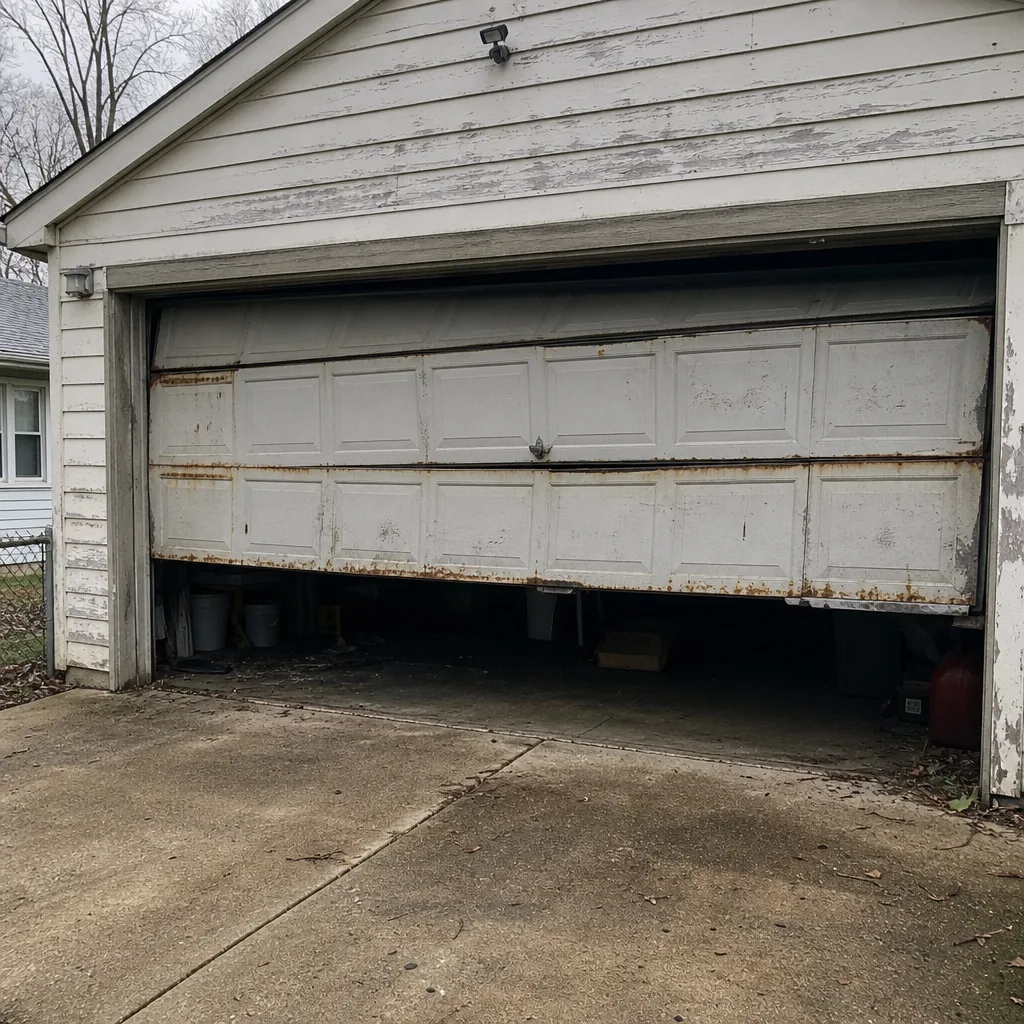 Before
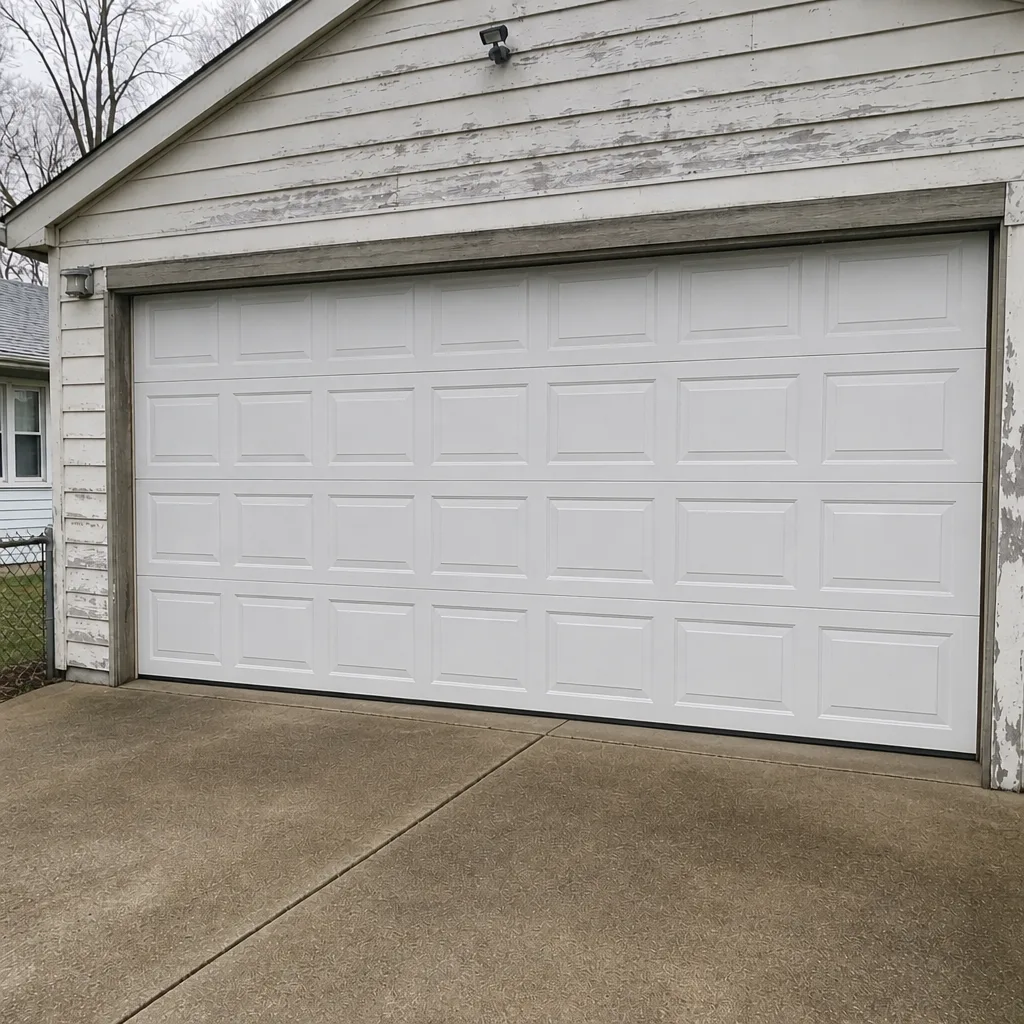 After
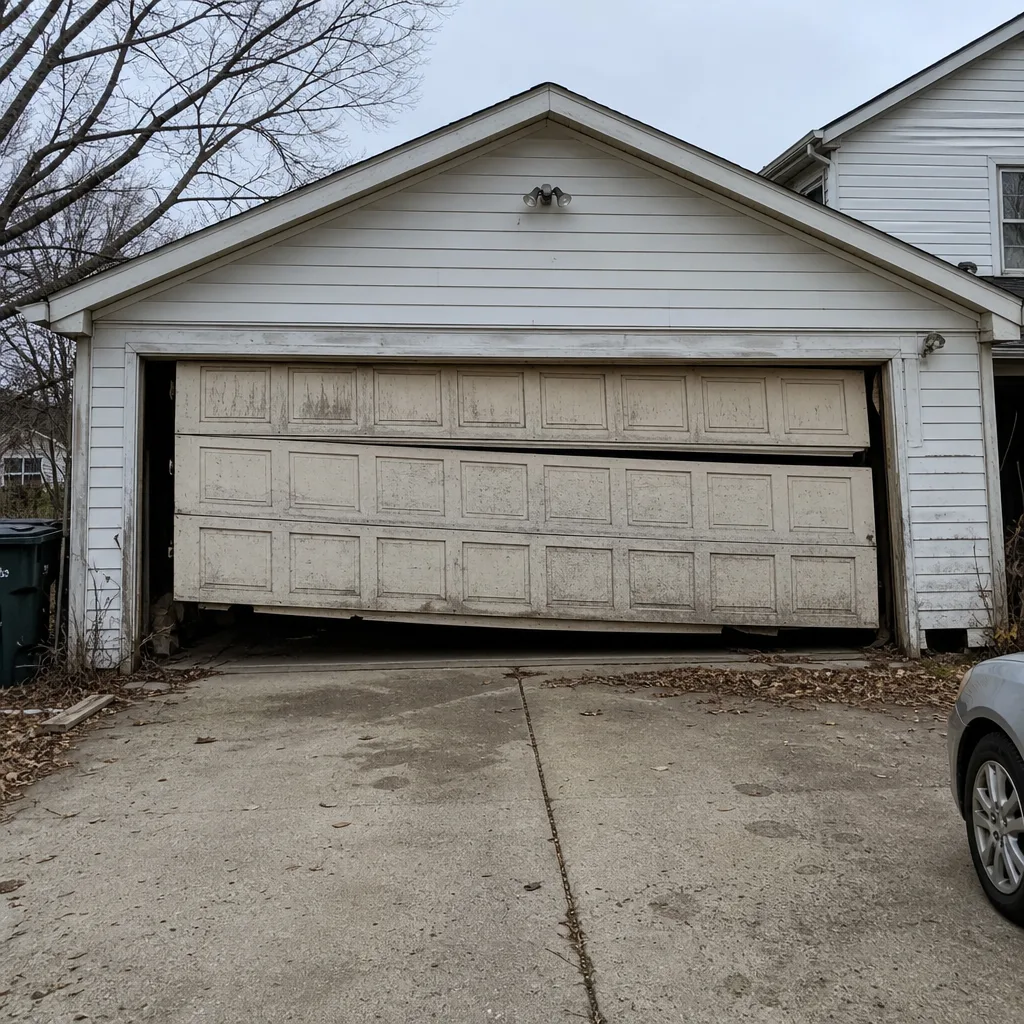 Before
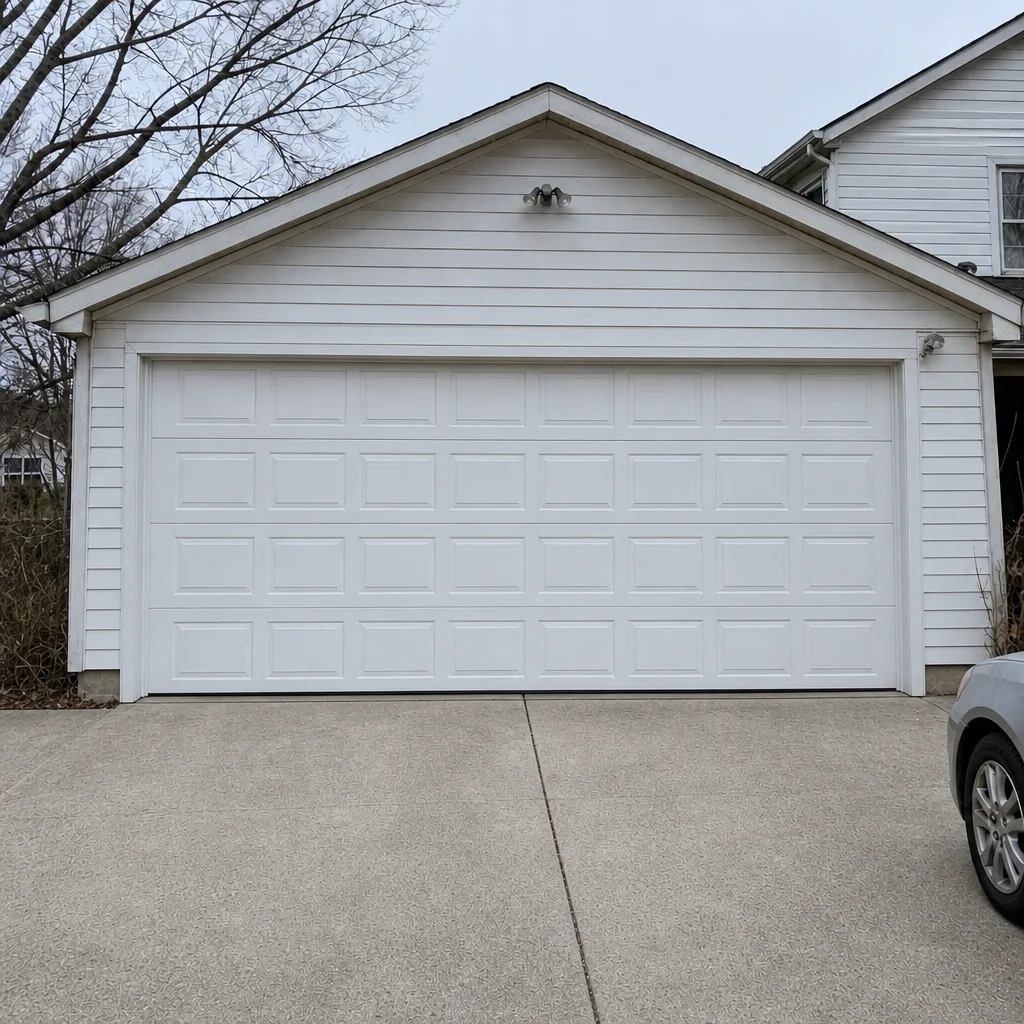 After
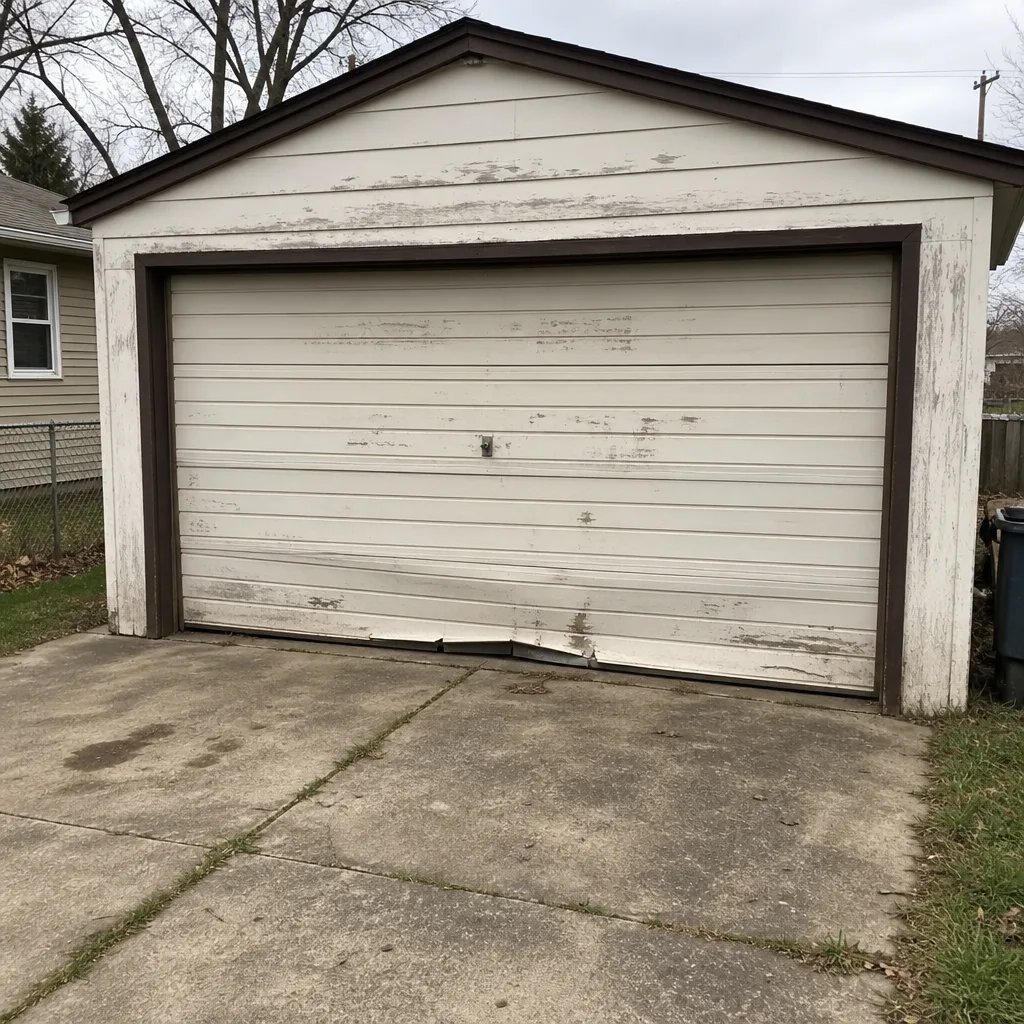 Before
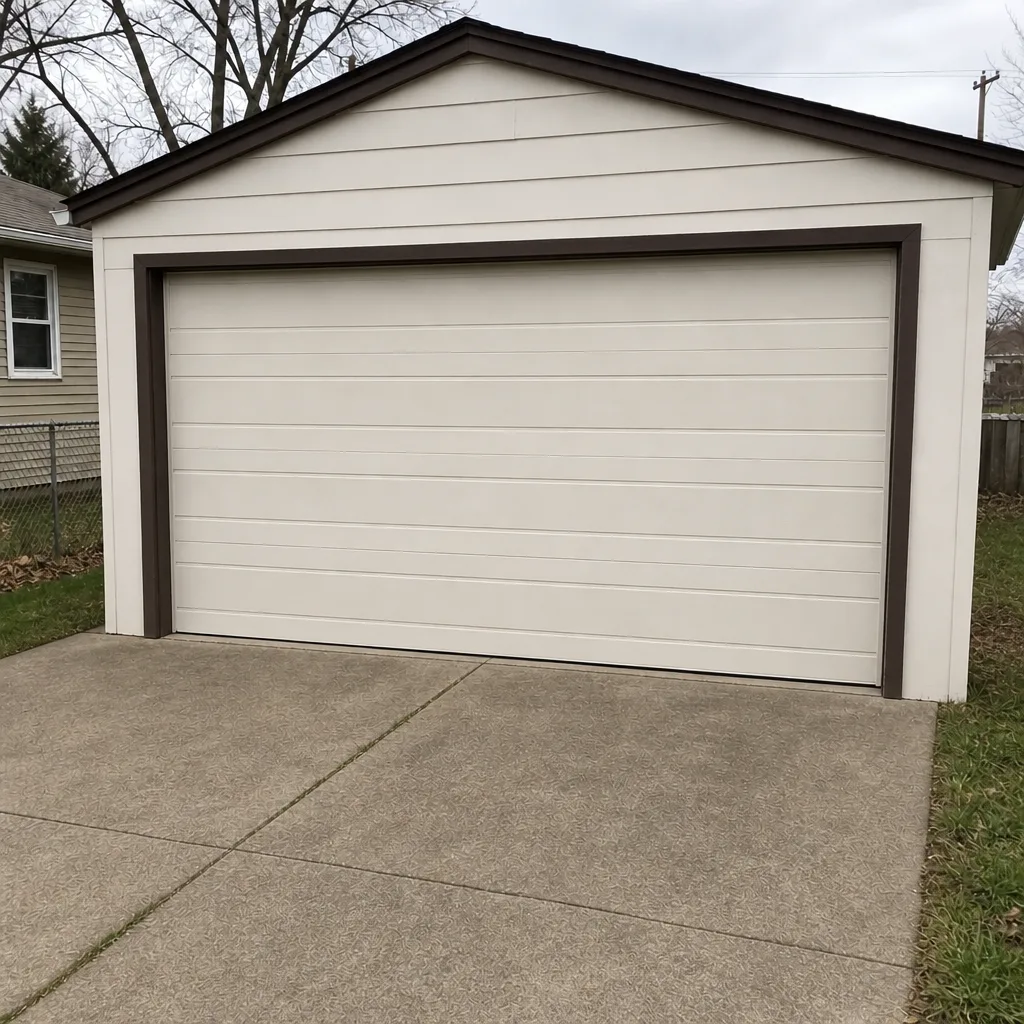 After
Frequently Asked Questions
No. Spring replacement is the most dangerous task in the trade, because the spring stores the force that lifts the door and can release it in under a second. Winding a spring with the wrong tool or the wrong sequence risks serious injury, so it belongs with a trained technician every time. If your spring is broken, call (855) 593-3820 for a free estimate.
We don’t recommend it. Garage doors are designed for a matched set of springs, and replacing only one leaves the tension uneven and shortens the life of the new one. Spring repair is a dedicated service for a reason, so a trained technician checks the whole counterbalance. Call (855) 593-3820 for an exact quote – estimates are free.
Replacing the bottom weather seal, adjusting opener travel limits, aligning safety sensors, lubricating rollers and hinges, and pairing a new remote are all safe with care. The dividing line is tension: if a spring or cable holds force in the part you’re about to move, it’s a professional task. If you’re unsure, give us a call.
It can. A miswound spring or a force setting turned up to hide a bind can strain cables, drums, and opener gears, which turns one repair into two or three. That callback cost is what most DIY-versus-pro comparisons leave out. Call (855) 593-3820 for a straight estimate before a small problem grows.
We work on the brand you already have, including Chamberlain, LiftMaster, and Genie, along with the other major systems installed across North America. Brand-specific knowledge matters most for smart and WiFi-enabled openers, where settings vary. Call (855) 593-3820 and tell us your brand.
We answer 24/7 and dispatch fast from 7am to 7pm, Sunday through Friday. Same-day service is often available, and a call outside dispatch hours is booked into the next opening, Sunday through Friday, 7am to 7pm. Call (855) 593-3820 for a free estimate.
The Bottom Line
The DIY-versus-pro question for a garage door isn’t about how handy you are. It’s about stored energy. Safe tasks – seals, sensors, lubrication, travel limits, remotes – are well within reach for a careful homeowner and save real money. Spring, cable, and drum work belongs to a trained technician every time, because the force behind those parts can release in an instant. When you hit that line, or when a safe fix keeps failing, bring in a specialist. Our technicians have up to 14 years of experience, we work across the major brands, and we keep the right parts ready. Garage doors are all we do. Call (855) 593-3820 for a free estimate.
Written by the team at Garage Door Repair Wanamaker.