
Last updated November 20, 2026
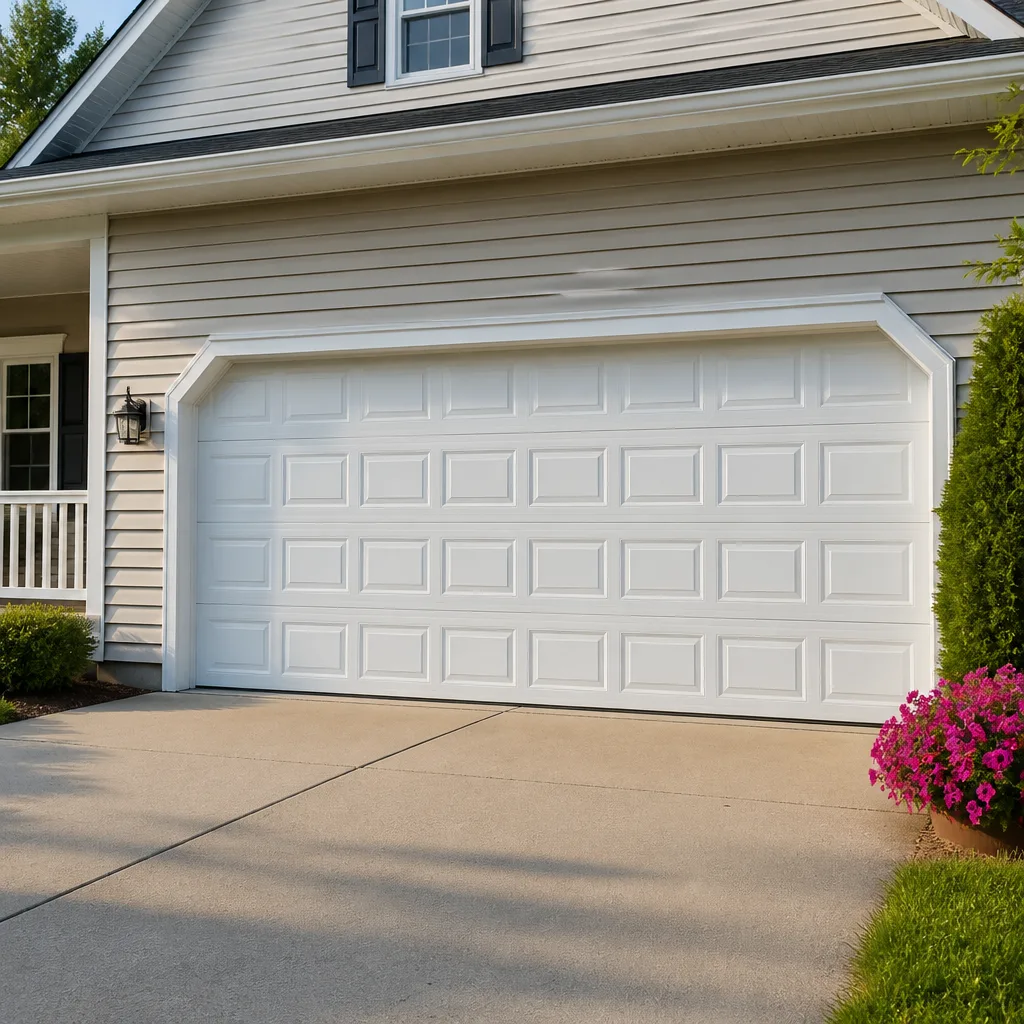 Raised-panel steel
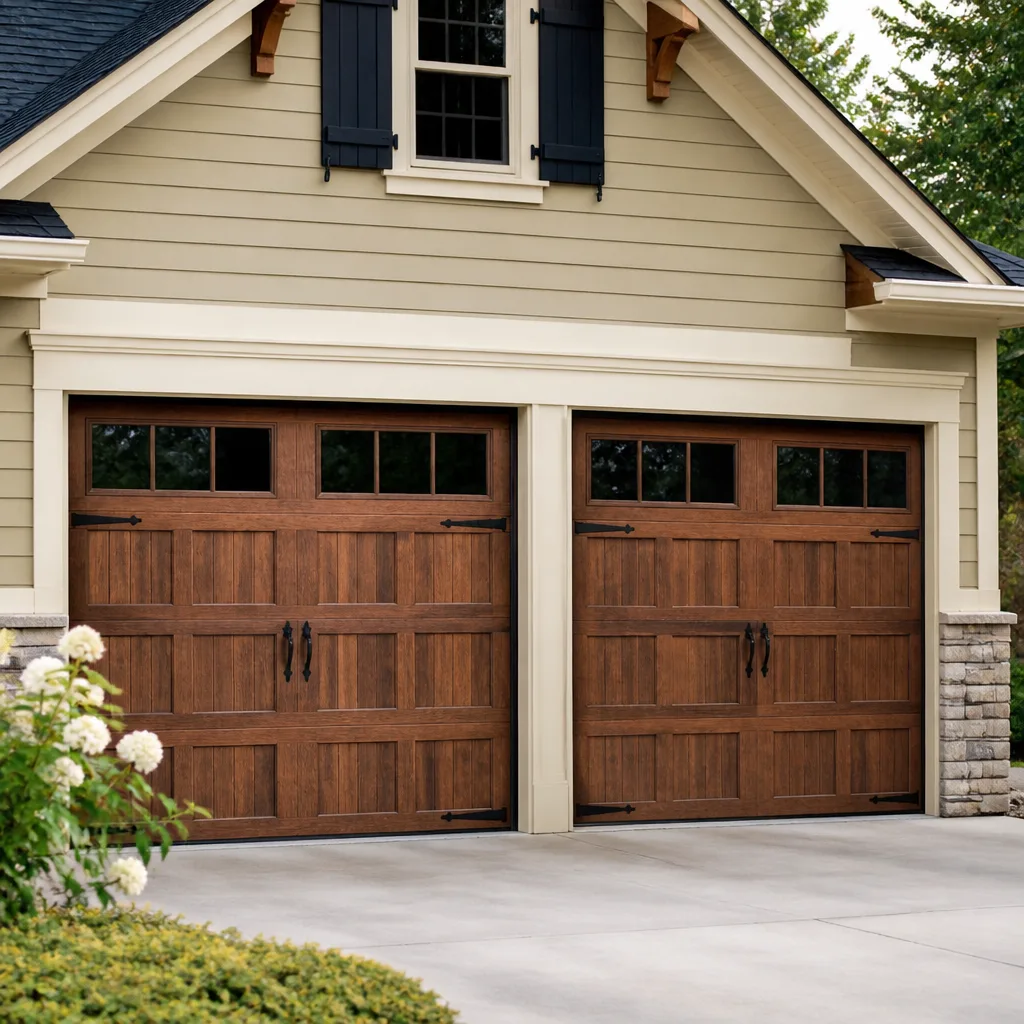 Carriage house
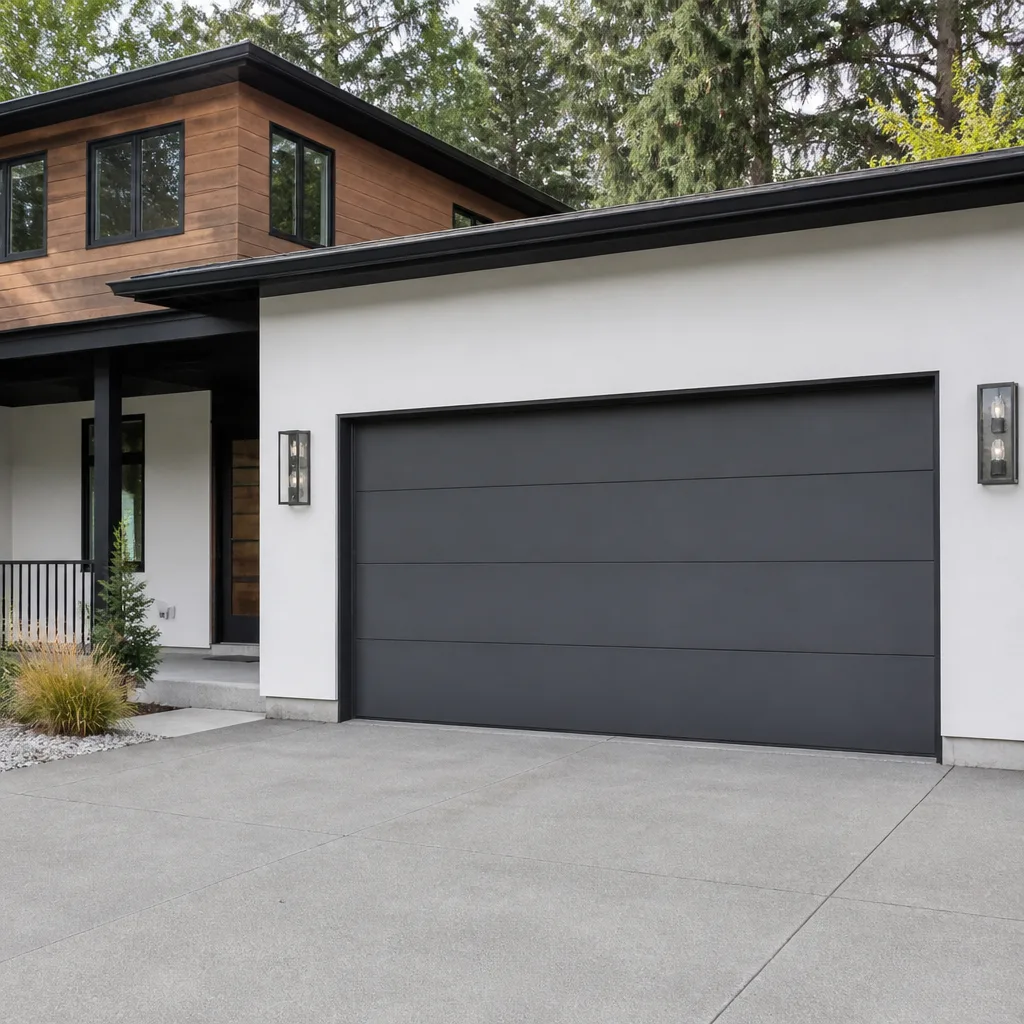 Modern flush
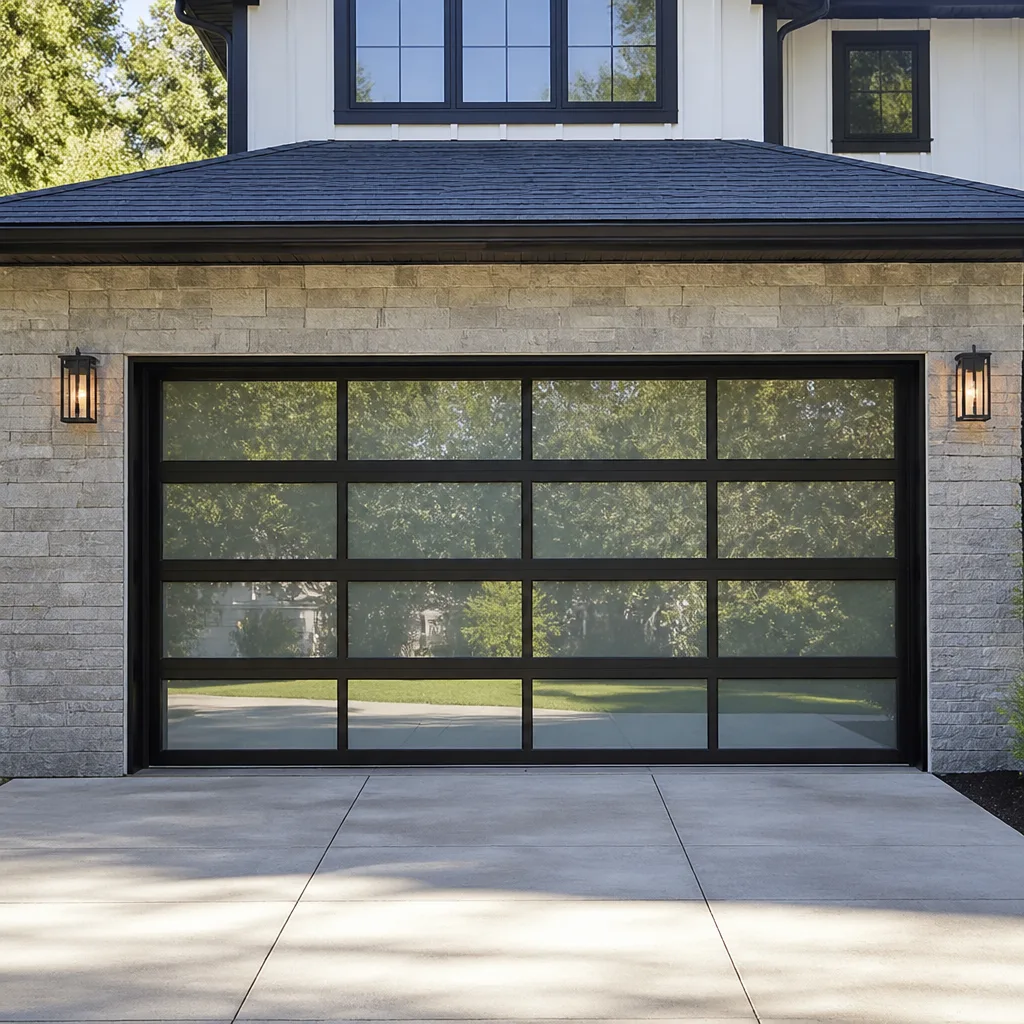 Full-view glass
 LiftMaster openers
 Chamberlain openers
Full 25-point door and opener safety check with every visit - springs, cables, rollers, tracks, and your LiftMaster or Chamberlain opener included
You get a price before we start. It does not change when the pro arrives.
Get your free estimateGarage Door Emergency Preparedness Guide for Wanamaker Homes
Most garage door emergencies get worse in the first sixty seconds, and it’s usually the homeowner who makes them worse. When a torsion spring snaps at night with a car trapped inside, the instinct is to reach up and pull the red emergency release cord. On a door with broken springs, that cord turns a heavy panel into a free-falling 300-pound slab with nothing holding it up. This guide walks Wanamaker homeowners through the three real categories of door emergency, what to do first, when to leave the release cord alone, how to keep the house secure while you wait, and how Indiana winters turn a routine sticky door into a genuine breakdown.
Quick Answer
A garage door emergency in Wanamaker falls into one of three categories: the door won’t open, the door won’t close, or the door is structurally compromised (bent, off-track, or hanging). If a spring has visibly snapped or the door is off its tracks, don’t touch the door and don’t pull the emergency release cord – call a trained technician. If the door simply won’t respond to the opener and the springs look intact, you may be able to release the door and lift it by hand. Either way, call (855) 593-3820. We answer 24/7, with fast dispatch from 7am to 7pm, Sunday through Friday.
Styles & brands we work with
- Raised-panel steel
- Carriage house
- Modern flush
- Full-view glass
- LiftMaster openers
- Chamberlain openers
Table of Contents
- The Three Types of Garage Door Emergency
- When to Use the Emergency Release Cord (and When Not To)
- Door Stuck Open: Securing the House Overnight
- Door Stuck Closed: Getting the Car Out Safely
- Door Bent, Off-Track, or Partially Down
- Indiana Winter Emergencies: Ice-Locked Doors and Frozen Openers
- What to Tell a Dispatcher for a First-Trip Fix
- Preventing the Next Emergency
The Three Types of Garage Door Emergency
Every garage door failure in a Wanamaker home lands in one of three categories. The category determines your response. Treating them the same is how small problems become expensive ones.
Type 1: Door won’t open
The door is down and locked. Common causes in Wanamaker are a dead opener motor, a snapped torsion spring, a broken cable, or a remote or wall-control failure. If the opener hums but the door doesn’t move, suspect opener or spring. If the door is dead silent, suspect power or the opener itself. This is usually the safest category – the door is down, so the house is secure and you have time to think. It becomes urgent mainly if the vehicle is trapped inside.
Type 2: Door won’t close
The door lifts but won’t come back down, or it starts to close and reverses. Safety sensors are the most common culprit, followed by a misaligned track or a binding door. The good news: this is rarely dangerous. The bad news: your garage is now open to the street. Wanamaker homes with street-facing garages need a plan for securing a door that won’t close, and we cover that below.
Type 3: Door structurally compromised
This is the category that deserves real caution. The door is visibly bent, off-track, hanging from one side, or partially down at an angle. Any of these means the door is no longer riding on its intended path. Do not operate it, do not force it, and do not walk under it. Call a technician. This is the one case where the safest move is no move at all. For this category specifically, see our Garage Door Repair Wanamaker page for how we approach structural repairs.
Knowing which category you’re in saves time on the phone and gets the right response faster. It’s the single most useful piece of preparedness a homeowner can carry.
When to Use the Emergency Release Cord (and When Not To)
The emergency release cord – the red handle hanging from the opener rail – disconnects the door from the opener so you can lift it by hand. On a healthy door, that’s exactly what it’s for. On a door with a broken spring or damaged cable, pulling that cord is one of the more dangerous things a homeowner can do.
When it’s safe to use
- The springs look intact (no visible gap or coil separation).
- The cables are still tensioned and running cleanly through the drums.
- The opener has power but won’t move the door, and there’s no snapping or cracking sound.
- You need to lift the door by hand to free a trapped car, and you can do so with help.
When you should not touch it
- A torsion spring is visibly snapped (a clear gap in the coil).
- A cable is off its drum, slack, or frayed.
- The door is off-track, bent, or hanging.
- You don’t know the door’s condition and haven’t looked at the springs.
On a door with broken springs, the spring is no longer counterbalancing the door’s weight. A typical single-car door weighs well over a hundred pounds; a two-car door can approach three hundred. A disconnected door with no spring support can drop abruptly. That’s the trap. Garage doors are all we do, and this is the single most common mistake we hear about from Wanamaker homeowners who tried to fix it themselves. See our garage door repair page for the full range of what a spring failure can affect.
How to release the door safely (when it’s appropriate)
- Make sure the door is fully closed.
- Pull the release cord straight down and hold it until the opener carriage disengages.
- Lift the door slowly by hand, keeping both hands on the bottom section and your body clear of the panel edges.
- If the door feels unusually heavy or binds, lower it and stop. Call a technician.
If you’re unsure, don’t pull. “Unsure” is a reason to call, not a reason to experiment.
Door Stuck Open: Securing the House Overnight
A door stuck open isn’t just a comfort problem. It exposes the garage contents and, if the garage is attached, the house, to the street. If your door won’t close and the springs and cables look intact, here’s the practical sequence that keeps things secure until a professional can look at it.
- Check the safety sensors first. A small obstruction near the floor (boxes, snow, a tool, a pet’s toy) between the sensor eyes is the single most common cause of a door that reverses immediately. Clear the line of sight and try the wall control.
- Try the wall control rather than the remote. If the remote is dead but the wall control works, the problem is the remote (battery or pairing). If neither works, the problem is the opener or the door.
- If the opener is dead, carefully disengage the door by hand, lift it down, and secure it. Only do this if the springs and cables are intact.
- If the door can’t be closed at all, secure the opening from the inside. A sliding bar or a thick dowel cut to length in the track, placed below the bottom panel, keeps the door from rising. Never rely on a single small object.
- Close the interior door to the house and lock it. If the garage is attached, the house is only as secure as that door.
- Move anything of value out of easy reach or sight.
Wanamaker homes vary in how exposed the garage opening is to the street; the more visible the opening, the more a same-day dispatch matters. We answer 24/7, and a call outside dispatch hours is booked into the next opening, Sunday through Friday, 7am to 7pm. If you’re unsure whether your door can be closed safely, it’s worth the call.
Door Stuck Closed: Getting the Car Out Safely
A door stuck closed with a car inside is the classic “10 p.m. with somewhere to be” emergency. If the springs and cables look healthy and the opener simply won’t respond, you have options. If a spring has visibly snapped, don’t operate the door – see the release cord section above and call a technician.
The safe manual release process
- Confirm the springs look intact, with no gaps in the coils and no slack cables.
- Stand clear of the door path. Have a second person if possible.
- Pull the emergency release cord straight down until the carriage disengages.
- Lift the door by hand, slowly, keeping both hands on the bottom section and your back straight.
- Once the car is out, lower the door carefully. A door with no spring support can drop faster than expected.
- Leave the door disconnected and down until a technician can diagnose the opener.
If the spring is broken
Don’t lift the door. On a torsion system, that spring balances most of the door’s weight; removing it makes the door a controlled fall at best. On an extension-spring system, the same rules apply. A trained technician arrives prepared to replace the spring, and we’re factory-familiar with the major brands – Amarr, Wayne Dalton, Craftman, Raynor, and the rest of the eight major brands we service – so a spring replacement is usually a single-visit job rather than a return trip. Our dedicated garage door opener repair work includes diagnosing opener-side failures that can mimic spring problems, which is why it’s worth describing the symptom precisely when you call.
If you’re not sure whether the spring is broken, don’t guess. The cost of a service call is far less than the cost of a fall.
Door Bent, Off-Track, or Partially Down
This is the category where the smartest move is patience. A door that’s bent, off-track, or hanging by one side is no longer riding where it should. Forcing it up or down risks injury, damages the panels further, and can cause the whole door to come off its hinges.
What “structurally compromised” looks like
- One side of the door is higher than the other.
- The door is visibly bent or buckled across a panel.
- A roller has jumped out of the track.
- The door is hanging from one side or resting at an angle.
- You heard a loud crack or bang and the door stopped moving.
If any of those fit, don’t operate the door. Don’t stand under it. And don’t pull the release cord. Secure the opening from the inside if needed, keep people and pets out of the garage, and call for a technician. This is exactly the kind of job where parts availability matters: a bent or off-track door often needs new rollers, hinges, or a panel, and a technician prepared with the right part turns a two-trip problem into one visit. If the panels are beyond repair, our garage door installation service covers full replacement, including doors from Clopay and Amarr. Either way, the right call is the same: describe what you see, keep the door still, and let a technician assess on site.
Indiana Winter Emergencies: Ice-Locked Doors and Frozen Openers
Wanamaker winters create a category of garage door problem that doesn’t exist in warmer markets: doors that are frozen shut, openers that won’t respond because grease has thickened, and tracks that have iced over. A door sealed to the ground by an overnight freeze is the classic example, and how you handle it determines whether you damage the weather seal or the bottom panel.
Ice-locked doors
When the bottom weather seal freezes to the concrete, don’t force the door. Running the opener to break the ice can strip the opener gear, tear the bottom seal, or bend the bottom panel. Instead:
- Clear the snow and ice from the outside of the door and the threshold.
- Loosen the seal gently with a plastic scraper or warm water poured along the base – not boiling water, which can crack cold glass or plastic parts.
- Try the door by hand once the seal releases, then run the opener.
- Keep snow from piling against the door overnight.
Frozen openers
Some openers slow down or stall in extreme cold. The cause is usually thickened grease in the rail or a door that’s binding because the tracks have contracted. If the opener hums but the door won’t move, don’t keep cycling it – that’s how opener gears strip. Bring the garage up to temperature if you can, and call a technician if it doesn’t recover. Our technicians have up to 14 years of experience working in conditions exactly like these, and they know the brand-specific winter quirks of LiftMaster, Chamberlain, Genie, and the other openers we service.
What not to do in winter
Don’t pour a de-icer salt directly against the bottom seal. Don’t use a hammer or screwdriver to chip ice off the door. Don’t force an opener through a frozen track. Winter repairs are rarely urgent in the “call at 10 p.m.” sense – but they’re always better handled before the freeze hardens.
What to Tell a Dispatcher for a First-Trip Fix
The difference between a one-trip repair and a two-trip repair is almost always what you tell the dispatcher on the call. A technician who knows what brand and model the door is, what the door is doing, and what parts are likely involved will bring the right components. This is the single most practical preparedness tip in this guide.
Information to have ready before you call
- Brand and model of the door – on the sticker inside the door or the frame. Clopay, Amarr, Wayne Dalton, Raynor, and most others label their doors unobtrusively.
- Brand and model of the opener – LiftMaster, Chamberlain, Genie, Craftsman, and others are usually labeled on the motor housing.
- The category of emergency – won’t open, won’t close, or structurally compromised.
- What you’ve tried – wall control, remotes, safety sensors, manual release.
- Any noise or symptom – a hum, a click, a snap, a grinding sound.
- Whether a car is trapped – this affects urgency and approach.
- Whether the door is attached to the house – a detached garage changes the security consideration.
That’s it. When you call (855) 593-3820, we answer 24/7, and we’re experienced at working from a description alone. We stock garage door parts, not wait for them, which means the call usually ends in a scheduled visit, not a back-order notification. If the work involves an opener or a full door replacement, a written price is agreed before any work starts, so you know what you’re paying before a technician arrives.
Preventing the Next Emergency
Most garage door emergencies are predictable in hindsight. A spring that fails has usually been weakening for months. A door that jumps track has usually been binding for weeks. The following check takes five minutes and catches a lot of those problems early.
- Look at the springs. A healthy torsion spring is a continuous, even coil. A gap or a stretched-out extension spring is a warning sign.
- Listen to the door. A grinding, squeaking, or popping sound is a bearing, roller, or track issue.
- Test the balance. Disconnect the door, lift it halfway, and release. A balanced door stays put. A door that falls or rises is out of adjustment.
- Test the safety reverse. Put a piece of wood in the door’s path and close it. The door should reverse.
- Look at the tracks. Any bend or separation is a problem waiting to happen.
- Check the weather seal. A torn or frozen seal invites ice-lock problems all winter.
- Keep the opener’s moving parts lubricated. Dry, gritty parts are the most common cause of opener strain in cold weather.
If any check fails, call before it becomes an emergency. A repair scheduled during the day is easier than a repair scheduled in the dark.
Common Mistakes to Avoid
- Pulling the emergency release cord on a door with a broken spring. This is the single most dangerous mistake in the whole guide. The spring no longer holds the door’s weight, and the door can fall on whoever is beneath it.
- Running the opener repeatedly when the door won’t move. If the door is binding or the spring is broken, the opener keeps trying and the gears strip. Stop after one try and call.
- Forcing a frozen door in winter. Breaking the ice with force damages the bottom seal, the door panel, or the opener gear. Loosen it gently or wait.
- Ignoring a small bend in the track. A bent track gets worse, not better. What looks like a minor alignment issue is often the early stage of an off-track door.
- Not telling the dispatcher the brand and model. This is the difference between a first-trip fix and a second visit. Have the labels ready before you call.
- Assuming a dead opener is a dead door. Most “door won’t open” calls in Wanamaker turn out to be opener or sensor problems, not door problems. Test the wall control before assuming the worst.
- Trying to save time by calling a general handyman for spring work. Springs are the most safety-critical repair in this trade. Call a specialist who does spring replacement as a dedicated service, not a side job.
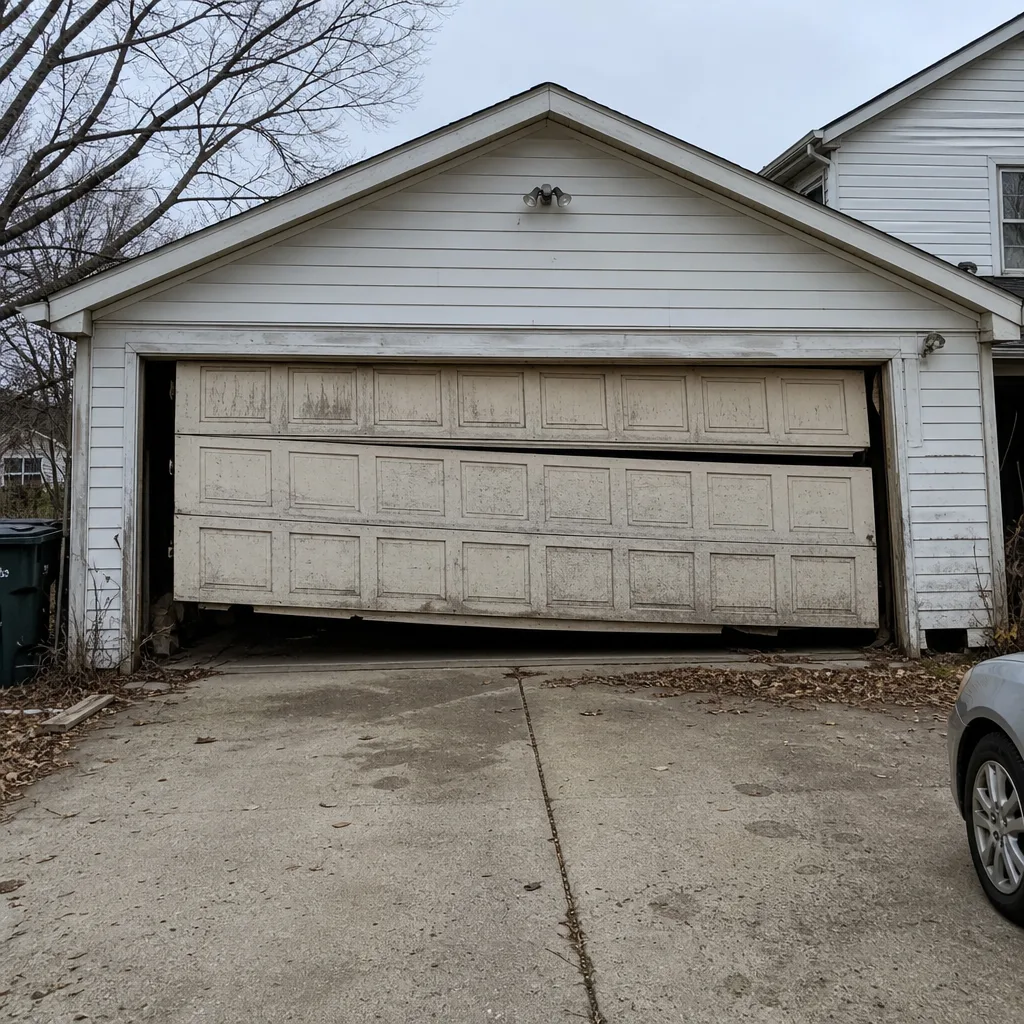
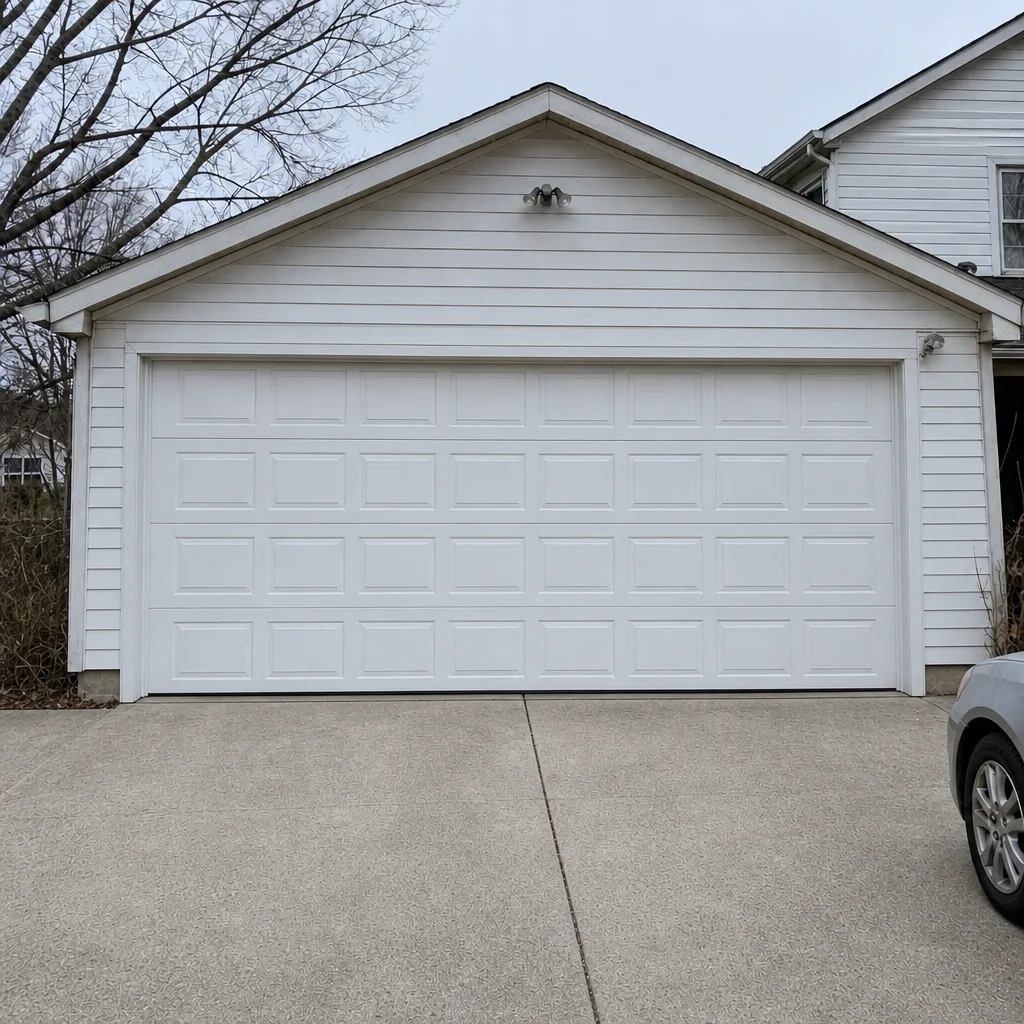
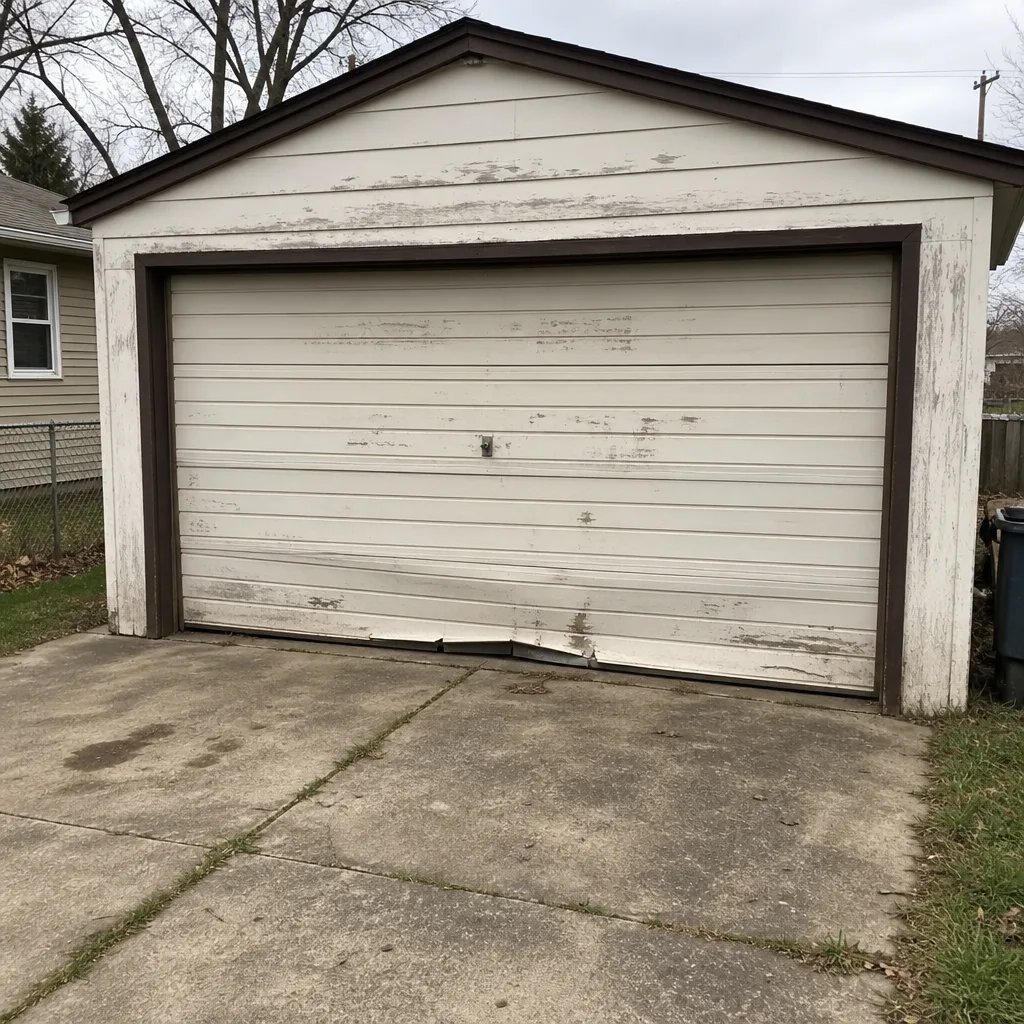
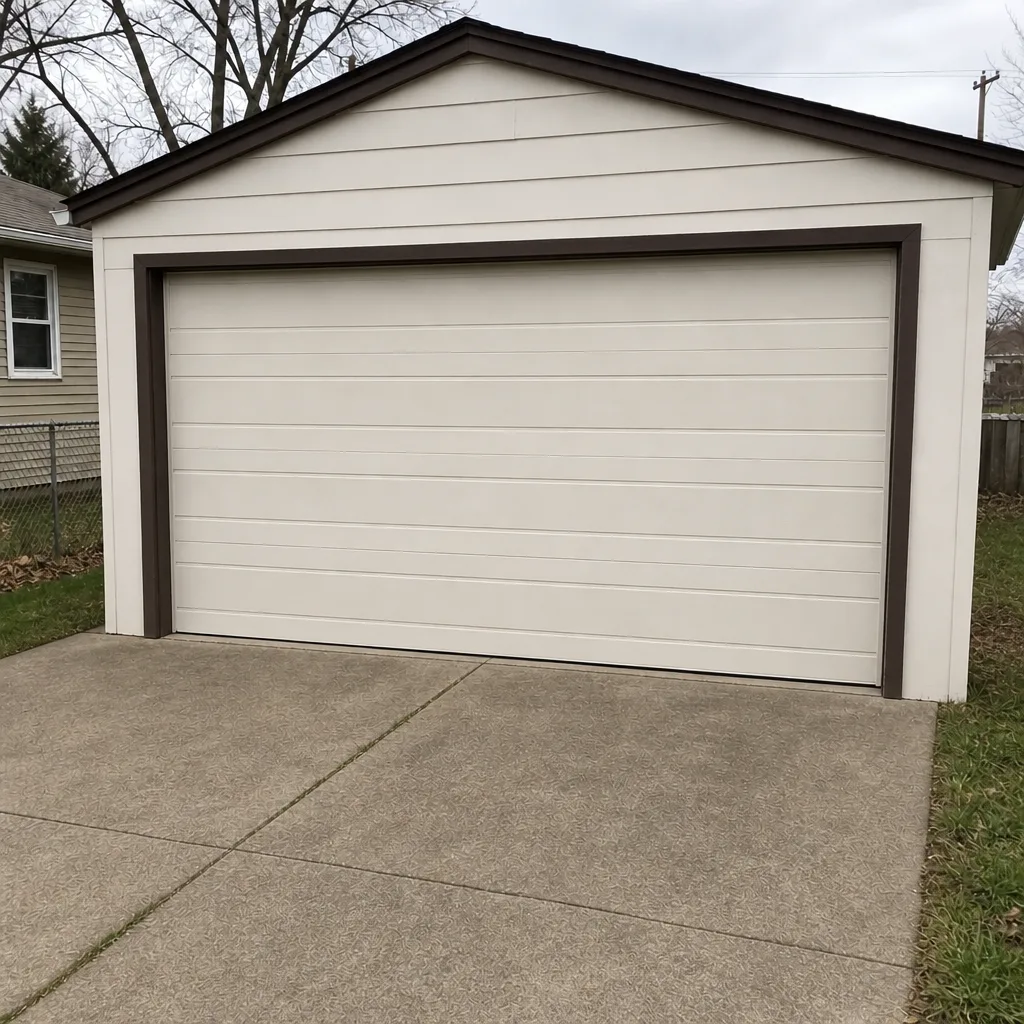
See the difference
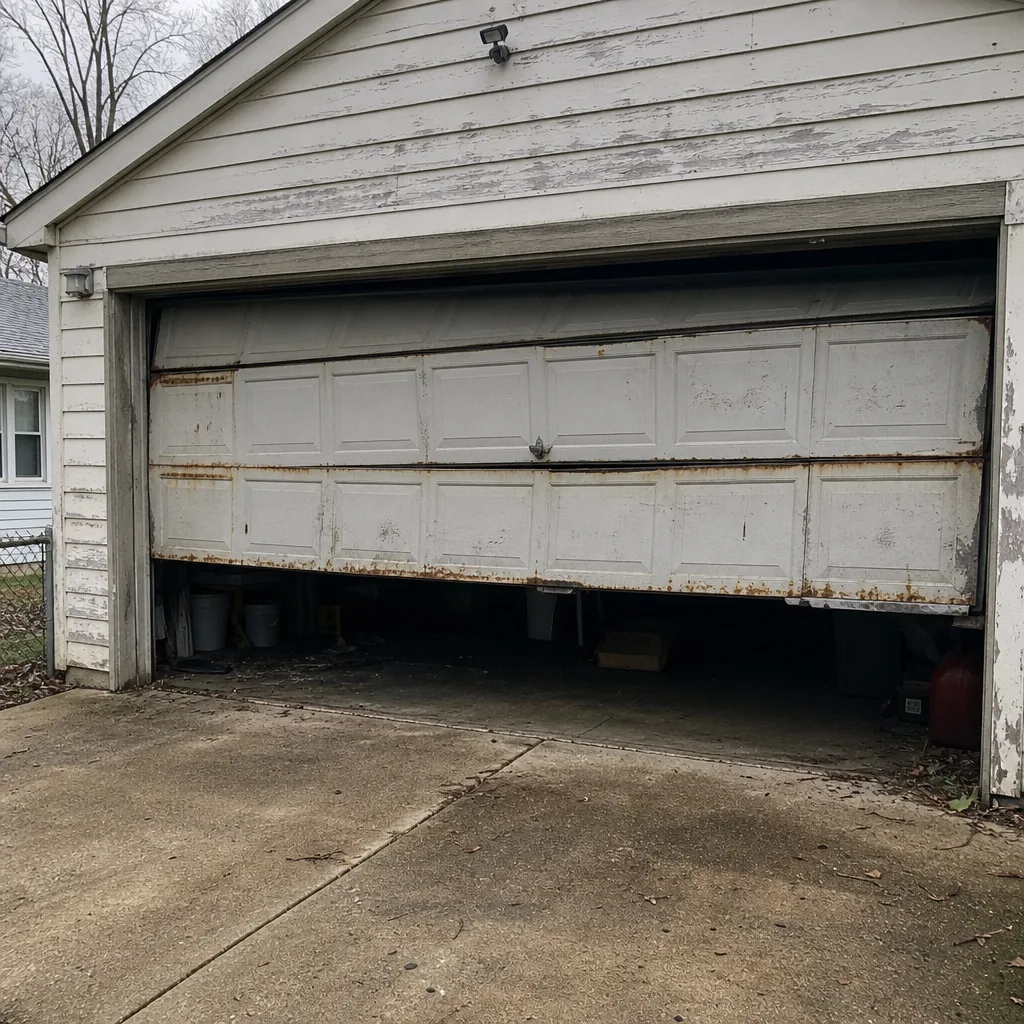 Before
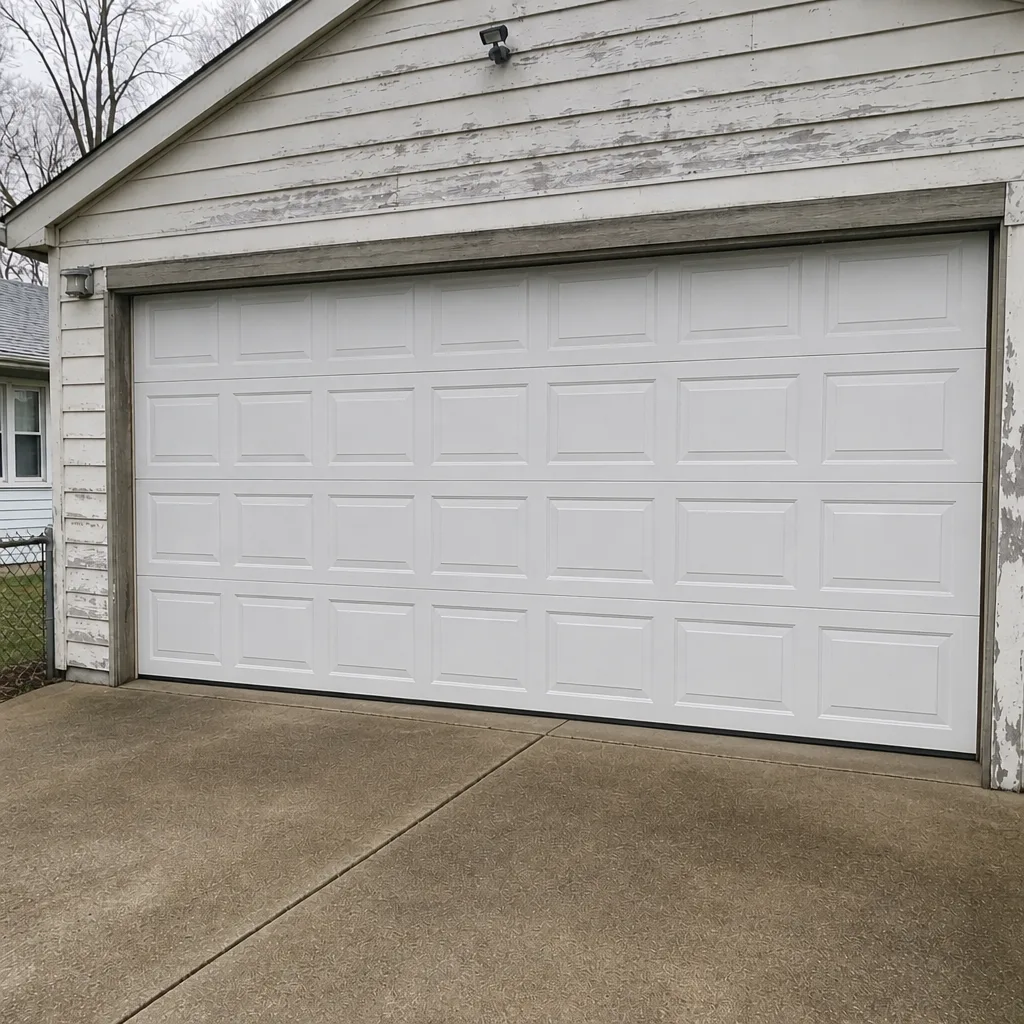 After
 Before
 After
 Before
 After
When to Call a Professional
Call a professional if any spring is visibly broken, if a cable is slack or off its drum, if the door is bent or off-track, if the door is stuck partially down at an angle, if a car is trapped and the spring condition is unknown, or if a door won’t close and the house is exposed. Call also if you simply can’t tell what’s wrong – a description over the phone is free, and a technician can diagnose in person.
Garage Door Repair Wanamaker offers free estimates in Wanamaker – call (855) 593-3820. We answer 24/7, fast dispatch from 7am to 7pm, Sunday through Friday. The price is quoted and agreed before any work starts, and our technicians have up to 14 years of experience across every major brand and every core repair.
Frequently Asked Questions
No, it isn’t safe to try. On a door with a broken spring, the spring is no longer counterbalancing the door’s weight, and a hand-lifted door can drop quickly. Call (855) 593-3820 and we’ll dispatch a technician with the right spring on hand for your door’s brand. We answer 24/7, and fast dispatch from 7am to 7pm, Sunday through Friday, gets a trained professional out to assess the door.
Check the safety sensors first – a small obstruction between the sensor eyes is the most common cause. If the sensors are clear and the door still won’t close, secure the opening from the inside by placing a bar or thick dowel in the track below the bottom panel, then lock the interior door to the house. Call (855) 593-3820 for dispatch; we answer 24/7 and can book the visit into the next opening, Sunday through Friday, 7am to 7pm.
It’s safe only when the springs and cables are intact. On a door with a broken spring or a slack cable, pulling the release cord can let a door weighing hundreds of pounds fall. If you’re not sure, don’t pull it. Call (855) 593-3820, and a technician can walk you through what to check or schedule a visit. Estimates are free.
Prevent the seal from freezing to the concrete by keeping snow and ice cleared from the door’s base and the threshold. If the door is already frozen, loosen the seal gently with a plastic scraper or warm water rather than running the opener to break it free. If the opener won’t run after the ice clears, call (855) 593-3820 for a diagnostic visit. The price is quoted before any work starts.
Yes, we dispatch same-day for garage door repairs in Wanamaker, subject to the day’s schedule. Call (855) 593-3820. We answer 24/7, and fast dispatch runs from 7am to 7pm, Sunday through Friday. For openers we stock parts, so a same-day visit is more likely to end with a working door than a follow-up appointment.
Have the brand and model of the door and the opener ready, describe what the door is doing (won’t open, won’t close, off-track), and note whether a car is trapped. That information lets the technician bring the right parts the first time. Garage doors are all we do, so a description is usually enough to identify the likely fix before we arrive. Call (855) 593-3820 and estimates are free.
The Bottom Line
The difference between a garage door emergency that’s handled and one that gets worse usually comes down to three things. First, know which category you’re in: won’t open, won’t close, or structurally compromised. Second, never pull the emergency release cord on a door with a broken spring or cable – that’s the one mistake that turns a repair into an injury. Third, have the brand and model ready before you call so the first visit is the only visit.
In Wanamaker, winter adds a fourth: don’t force a frozen door. Gently loosen the ice, bring the opener up to temperature if you can, and call if it doesn’t recover.
We stock the parts, service the brands, and answer the phone when the door fails. Call (855) 593-3820 for a free estimate. We answer 24/7. Fast dispatch from 7am to 7pm, Sunday through Friday.
Written by the team at Garage Door Repair Wanamaker.