
Last updated November 20, 2026
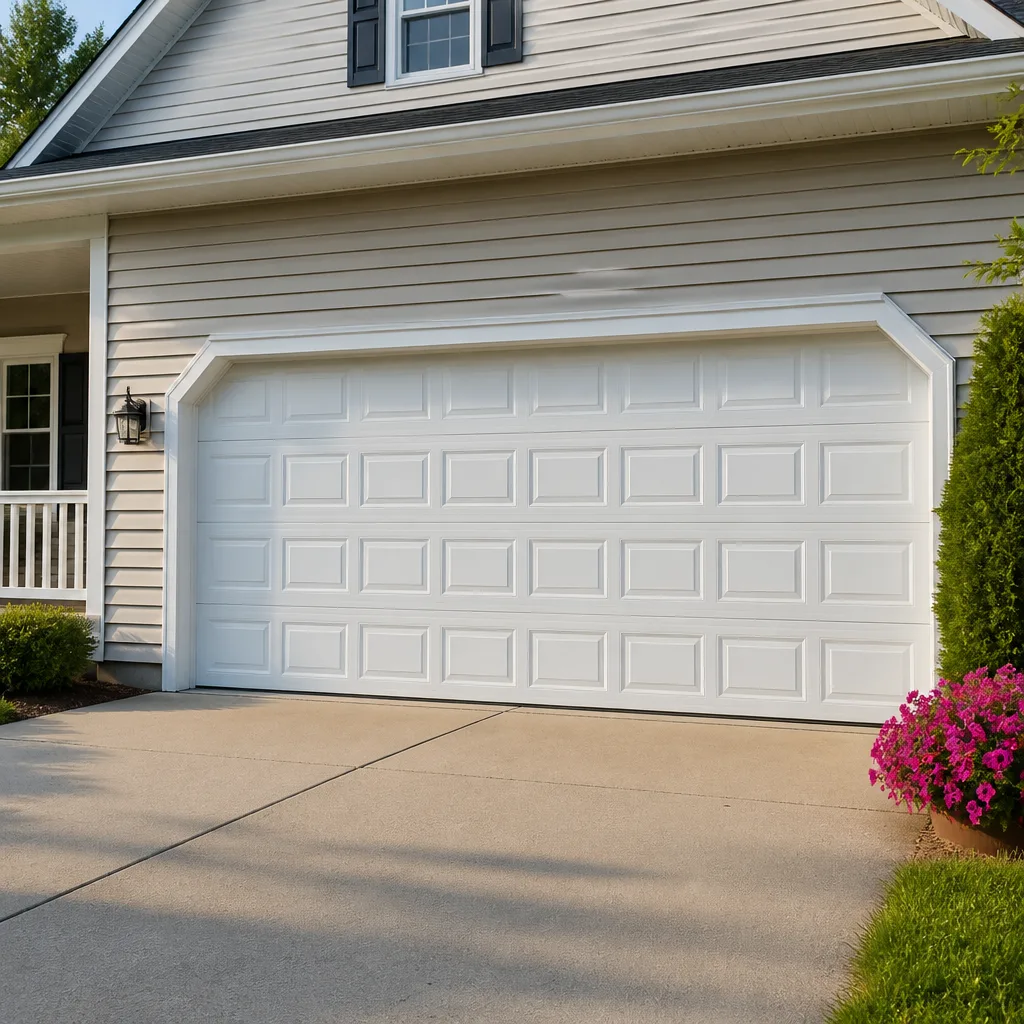 Raised-panel steel
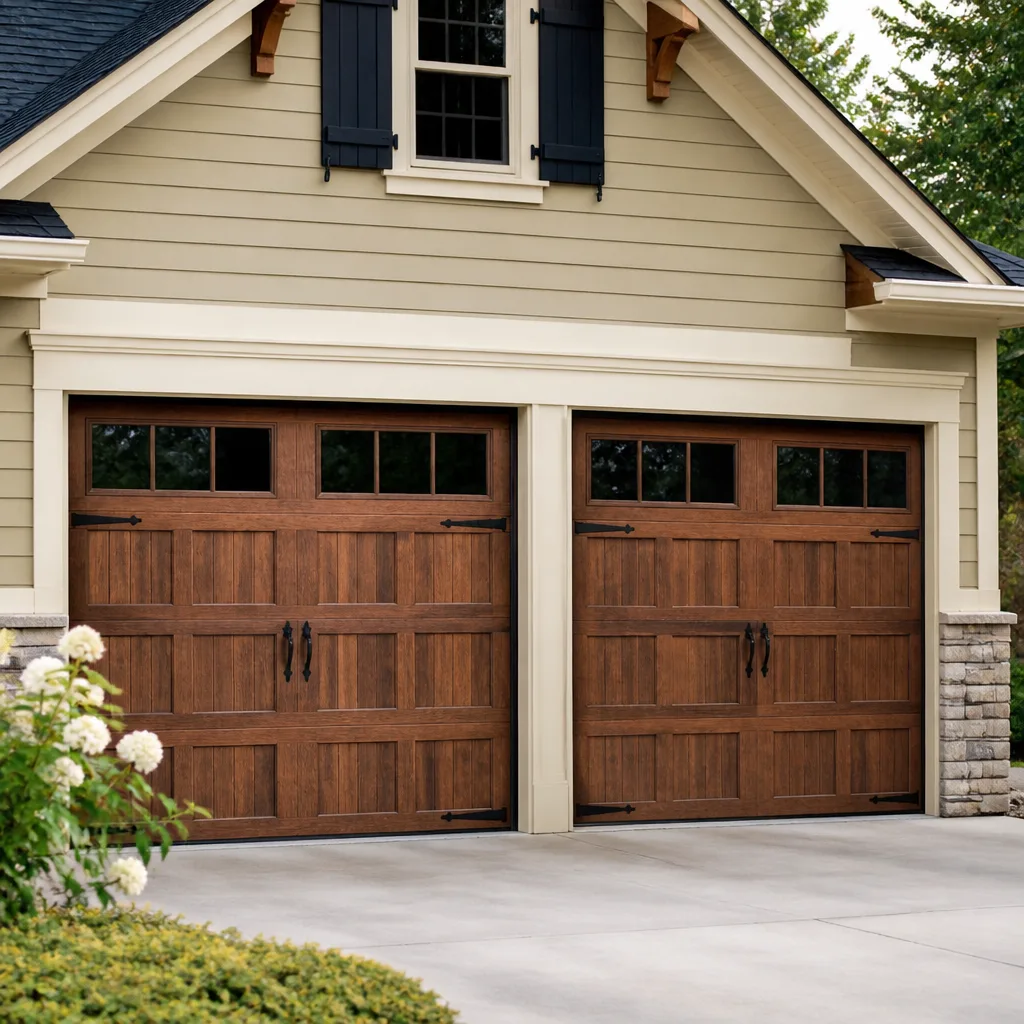 Carriage house
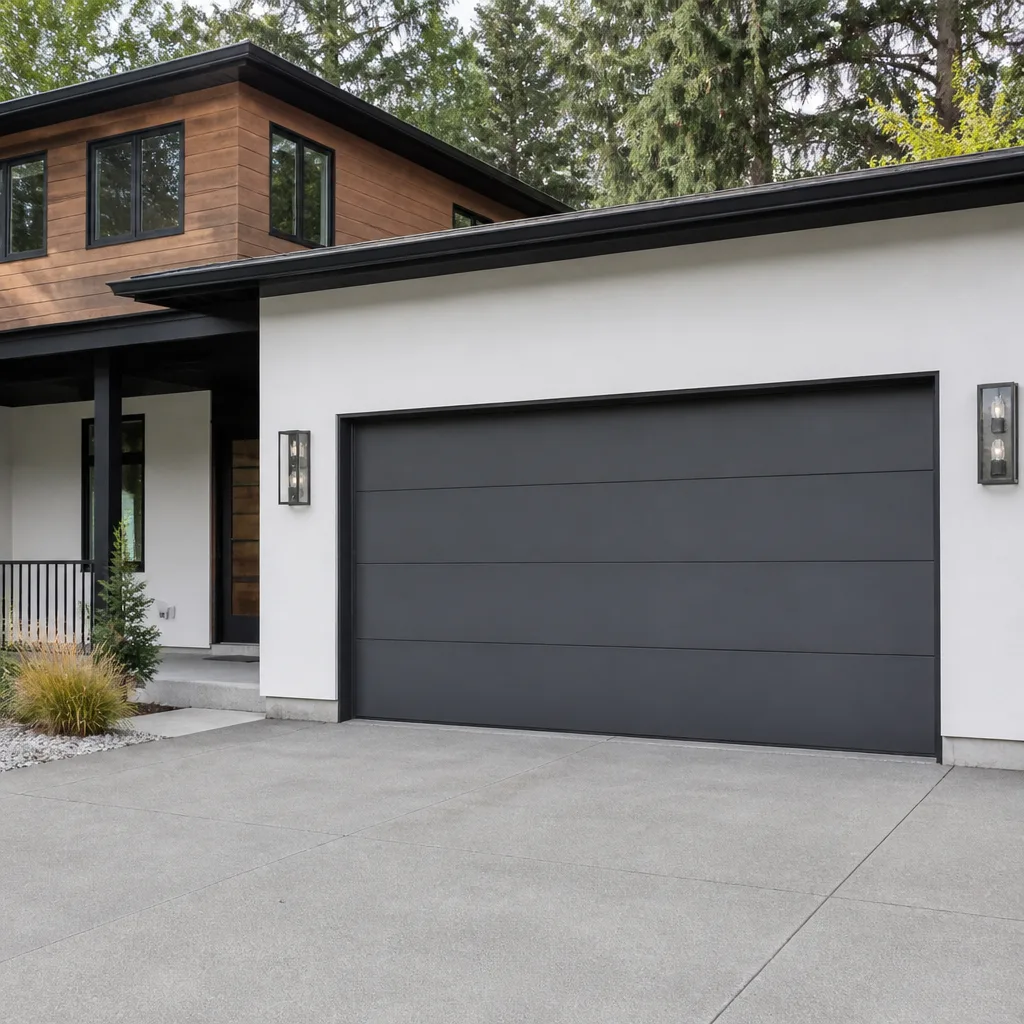 Modern flush
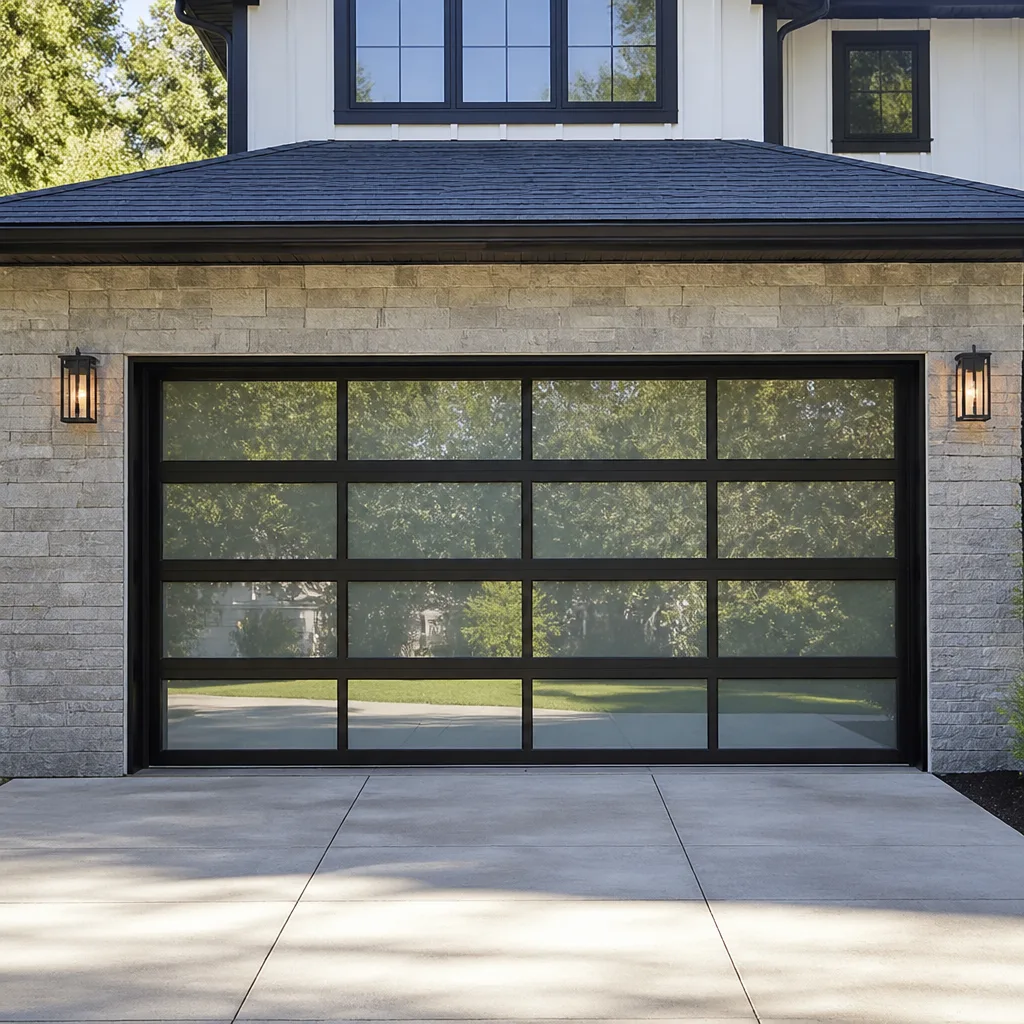 Full-view glass
 LiftMaster openers
 Chamberlain openers
Full 25-point door and opener safety check with every visit - springs, cables, rollers, tracks, and your LiftMaster or Chamberlain opener included
You get a price before we start. It does not change when the pro arrives.
Get your free estimateGarage Door Repair Troubleshooting in Wanamaker: Common Problems and How to Fix Them
A garage door that reverses before it closes is usually not a sensor problem. In most of the Wanamaker homes we troubleshoot, that behavior traces back to spring tension that has weakened just enough to fool the opener’s resistance detector into thinking something is in the way. Homeowners replace sensors, realign photo eyes, and clean the lenses, and the door still bounces back up. The sensor was never the culprit. This guide teaches you to read the door as a system instead of chasing a single symptom, so you can tell the difference between an opener problem, a spring problem, and a track problem before you pick up the phone. We’ll walk through the manual-release test anyone can do in under a minute, the five symptoms that get misdiagnosed most often, and a decision tree that maps each symptom to its likely component and a safe next step.
Quick Answer
Most garage door problems in Wanamaker come down to one of three failing components: the springs that carry the door’s weight, the opener that drives it, or the tracks and rollers that guide it. The fastest way to tell them apart is the manual-release test – pull the red cord, lift the door by hand, and see how it behaves. A door that won’t stay open or feels impossibly heavy points to springs, a door that moves freely but won’t run points to the opener, and a door that binds or scrapes points to the tracks. Spring work involves stored tension and is not a DIY job; track and sensor adjustments often are.
Styles & brands we work with
- Raised-panel steel
- Carriage house
- Modern flush
- Full-view glass
- LiftMaster openers
- Chamberlain openers
Table of Contents
- The 60-Second Manual-Release Test
- The Five Most Misdiagnosed Symptoms in Wanamaker
- Opener Failure vs. Spring Failure vs. Track Failure
- How Indiana’s Freeze-Thaw Cycle Breaks Tracks and Weatherseals
- Which Problems Are Safe DIY Fixes and Which Aren’t
- A Symptom-to-Component Decision Tree
- Brand-Specific Notes for Wanamaker Doors
- Common Mistakes to Avoid
The 60-Second Manual-Release Test
Before you diagnose anything, you need to know whether the door itself moves freely. This test separates the door from the opener, and it takes less time than reading this paragraph. It’s the single most useful thing a Wanamaker homeowner can do before calling anyone. Here’s how it goes:
- Close the door completely and disconnect the opener by pulling the red manual-release cord hanging from the trolley. You’ll hear it click out of engagement.
- Lift the door about halfway by hand, using the bottom section or a lift handle if you have one. Lift with your legs, not your back.
- Let go at the halfway point. A properly balanced door stays put or drifts only slightly. A door that slams down or won’t hold position has a spring or balance problem.
- Push the door up the rest of the way. If it takes real effort – more than a firm two-handed push – the springs aren’t carrying the weight they should.
- Lower it by hand and watch the travel. Binding, scraping, or a door that jumps in one spot points to a track or roller issue rather than the opener.
Now re-engage the trolley and run the opener. If the door moved easily by hand but the opener strains, the problem lives in the opener or its settings. If the door was heavy or unbalanced by hand, the opener was working against a door that was fighting it – which means the opener was never the real problem. We’ve seen this exact test save Wanamaker homeowners an entire wasted service call, because it tells you in a minute what a symptom alone can’t.
One caution before you start: if the door is visibly crooked, a cable looks frayed, or you hear a loud bang as it moves, stop the test. Those are signs of a spring or cable failure that shouldn’t be cycled by hand. Call a technician instead. Springs, cables, and the brackets that hold them are under extreme tension, and a sudden release can cause serious injury.
The Five Most Misdiagnosed Symptoms in Wanamaker
Most of the troubleshooting calls we handle in Wanamaker start with a symptom the homeowner has already named – usually the wrong one. The symptom is real. The diagnosis attached to it is often not. These five come up again and again:
- The “dead opener.” The opener gets blamed when a door won’t move at all, but in our experience a broken spring is behind a large share of dead-door calls. The opener runs its motor, meets resistance it can’t overcome, and shuts down on its safety circuit. It’s not dead. It’s protecting itself.
- The “sensor problem.” A door that reverses before closing gets the photo eyes blamed almost every time. Weak spring tension, a misaligned track, or a resistance setting that’s too sensitive are more common causes. Sensors usually fail in one direction only – they stop the door from closing but not from opening. If the door reverses going down and runs fine going up, look past the sensors.
- The “grinding noise.” Homeowners hear grinding and assume the opener gear is stripped. Often it’s dry rollers, a bent track, or a torsion tube that’s shifted. The noise comes from the door, not the motor.
- The “slow door.” A door that moves noticeably slower than it used to gets written off as an aging opener. In practice, a door that’s gotten heavier – because springs have lost tension or rollers have seized – makes the opener work harder and travel slower. The speed change is the symptom of a heavier door.
- The “remote problem.” A remote that only works up close gets called a bad remote. The real issue is often a weak opener logic board, a battery going, or a WiFi-enabled opener that’s lost its pairing after a power interruption. On smart openers, remote trouble is frequently a connectivity problem, not a hardware one.
Naming the symptom correctly is half the battle. The other half is knowing which component sits behind it, which is what the next section covers.
Opener Failure vs. Spring Failure vs. Track Failure
The three systems that fail most on a Wanamaker door – springs, opener, and track – each produce a distinct behavior. Learn to read the behavior and you’ll know which one you’re dealing with before anyone arrives. We work on doors from Clopay, Amarr, Wayne Dalton, and Craftsman, and the diagnostic logic holds across all of them.
Spring failure
Springs carry the weight of the door. When they weaken or break, the door becomes heavy, and the opener can’t lift it or gets overridden by its safety circuit. Signs include a door that opens a few inches and stops, a door that reverses on the way down, a loud bang from the garage, or a visible gap in a torsion spring. The manual-release test will show a door that won’t hold position or takes real effort to lift.
Opener failure
A failed opener shows up as a missing signal or a mechanical fault inside the unit. Signs include the motor humming without the door moving, the wall button doing nothing while the remote works (or the reverse), the opener running but the chain or belt not turning, or error codes on the unit or the wall control. On WiFi-enabled models, a doorway that won’t respond to the app but works from the wall button points to a connectivity or logic-board issue rather than the door.
Track and roller failure
Tracks guide the door; when they’re bent, out of plumb, or full of debris, the door binds and scrapes. Signs include a door that’s visibly crooked, rollers that jump the track, a grinding noise along one side, or the door hanging up at the same spot every time. Track problems often make the opener strain, which can look like opener failure until you test the door by hand.
In practice, spring and track problems frequently show up together, because a door that’s been riding on a weak spring drags on its tracks and bends them over time. Fixing only the visible symptom leaves the root cause in place. That’s why we test the whole door, not just the part that failed.
If you’d rather have a specialist confirm the diagnosis, we handle garage door repair across Wanamaker with free estimates and a written price before any work begins.
How Indiana’s Freeze-Thaw Cycle Breaks Tracks and Weatherseals
Indiana winters do a specific kind of damage to garage doors that a seller in a milder climate never has to think about. The freeze-thaw cycle is the driver. Water gets into small gaps during the day, freezes overnight, expands, and pushes things apart a fraction at a time. Repeat that over a winter and the damage adds up.
The two components hit hardest are the tracks and the weatherseal.
- Tracks. Moisture collects in the track channel and freezes, and the ice can push a track out of alignment or deform it slightly. A track that was perfectly straight in October can be a few degrees off by February, which is enough to make the door bind. Homeowners in Wanamaker often notice the problem first as a scraping sound or a door that hangs up on one side.
- Weatherseal. The rubber or vinyl seal along the bottom of the door takes the brunt. Repeated freezing and thawing stiffens it, cracks it, and pulls it loose from the retainer. A failing bottom seal lets cold air, water, and pests into the garage, and it’s one of the most common maintenance items we see on Wanamaker doors heading into spring.
Hardware loosens too. The vibration of a door cycling in cold weather works bolts and hinges loose, and a door that rattles in January is telling you something needs tightening. The fix is usually straightforward – a track realignment, a new bottom seal, a hardware check – but it’s worth doing before the door binds hard enough to bend a track or burn out the opener. Spring is the right time in Wanamaker to walk the door and look for these cold-weather leftovers.
Which Problems Are Safe DIY Fixes and Which Aren’t
Some garage door troubleshooting is genuinely safe to handle yourself. Some of it isn’t, and the line between the two is sharper than most homeowners expect. Here’s how we draw it.
Safe to do yourself
- Cleaning the photo-eye lenses and checking that they’re aligned and unobstructed.
- Replacing remote batteries and re-pairing remotes to the opener per the owner’s manual.
- Clearing debris from the tracks and wiping them down.
- Tightening loose bolts on hinges and brackets that are clearly accessible and not under tension.
- Lubricating rollers, hinges, and the torsion tube with a garage-door lubricant (not WD-40).
- Adjusting the opener’s travel limits and force settings per the manual.
- Replacing a remote or a wall button.
Not safe – call a specialist
- Anything involving torsion or extension springs. These store enormous mechanical energy, and a spring that releases unexpectedly can cause serious injury. Never try to adjust, unwind, or replace a spring yourself.
- Cables. They’re under the same tension as springs and can whip free if mishandled.
- Bent tracks that need straightening or replacement. A track under load can pinch or crush, and the door can come down.
- Panel replacement on a door that’s already under spring tension.
- Any repair that requires the door to be held open or partially disassembled while you’re working under it.
Spring repair is the one to be most careful with. It’s the most technically demanding and most dangerous repair in the trade, and it’s the repair most likely to go wrong when someone without the right tools tries it. We treat spring replacement as its own specialty for exactly that reason, and we’d rather talk a Wanamaker homeowner out of a DIY spring job than see anyone get hurt. Our technicians have up to 14 years of experience, and spring work is where that experience matters most.
If your door needs an opener diagnosis rather than a spring repair, our garage door opener repair team handles both legacy mechanical units and modern WiFi-enabled openers from LiftMaster, Chamberlain, Genie, and Craftsman.
A Symptom-to-Component Decision Tree
Use this as a starting point. It’s not a substitute for an on-site diagnosis, but it gets you from “something’s wrong” to “here’s the likely component and here’s what to do next” without needing any mechanical background.
- The door won’t move at all and the opener hums or clicks. Run the manual-release test. If the door is heavy or won’t hold position, suspect a spring. If the door moves freely by hand, suspect the opener’s drive or logic board.
- The door runs a few inches and stops, or reverses before closing. Check the photo eyes first (alignment, debris, sunlight). If they’re clear, suspect weak spring tension. A door that reverses only on the way down and never on the way up is almost always a resistance or balance issue.
- The door is crooked or scrapes on one side. Look at the track on the affected side. A bent track, a jumped roller, or debris in the channel is usually the cause. Don’t force the door through it – that can bend the track further.
- You hear a loud grinding or dragging noise. Identify where the sound comes from. At the opener head: gear or drive problem. Along the track: dry rollers or a shifted torsion tube. At the hinges: dry or worn hinges.
- The remote or wall button doesn’t work, but the other one does. Replace or re-pair the failed control. If both fail on a smart opener, suspect a logic board or connectivity issue.
- The door moves slower or seems heavier than before. Springs are losing tension or rollers have seized. Address it before the opener wears out trying to compensate.
- Cold air, water, or pests are getting in. The bottom weatherseal needs replacing. Not urgent, but worth doing before the next freeze.
Whatever the branch, the safe next step is the same: don’t force a stuck door, don’t touch the springs or cables, and get a professional diagnosis if the manual-release test points to spring, cable, or track damage. If you decide to have it looked at, we offer a free estimate and a written price agreed before any work starts – no surprises on the invoice.
Brand-Specific Notes for Wanamaker Doors
Garage doors are all we do, and part of that focus is fluency with the brands actually installed in Wanamaker homes. Different manufacturers have different spring configurations, opener logic, and parts patterns, and knowing those differences cuts diagnostic guesswork. We work on doors and openers from Clopay, Amarr, Wayne Dalton, Craftsman, LiftMaster, Chamberlain, Genie, and Raynor.
Here’s what that brand knowledge looks like in practice for the brands we see most in this area:
- Clopay and Amarr. Common on panel-style doors with torsion springs. Track geometry and seal retainers are brand-specific, and using the right bottom seal matters for a clean fit against Indiana weather.
- Wayne Dalton. Some models use proprietary hardware and spring setups, which makes part matching important. Getting the right part the first time avoids a second visit.
- Craftsman. Popular on older openers with mechanical remotes, and on newer WiFi units that need careful re-pairing after a power interruption or a logic-board replacement.
On the opener side, LiftMaster and Chamberlain make up a large share of the smart and WiFi-integrated units we see. Their connectivity features are useful, but they add a diagnostic layer on top of the mechanical one – a door that “won’t open” through the app can be a perfectly healthy door with a pairing problem. Genie and Craftsman round out the mix, and the same mechanical logic applies to all of them.
Parts availability matters as much as brand knowledge. We stock and supply garage door parts as part of our service, so a repair isn’t held up waiting on a back-ordered component. Parts on hand, not on order, is the difference between a door fixed in one visit and a door fixed after a delay you didn’t plan for. If your door needs replacing rather than repairing, our garage door installation service covers new doors measured for your opening and scheduled once the door is ordered.
Common Mistakes to Avoid
- Replacing the opener when the springs are the problem. A dead door gets a new opener more often than it should, and the new unit fails the same way because the door is still too heavy. Run the manual-release test first and you’ll know which component is at fault.
- Spraying WD-40 on the tracks and springs. WD-40 is a solvent, not a long-term lubricant. It attracts dust and leaves tracks dry. Use a garage-door-specific lubricant on rollers, hinges, and the torsion tube, and leave the tracks clean and dry.
- Straightening a bent track by force. Tracks are load-bearing, and forcing one back into shape can pinch or crush, or drop the door. A track that’s genuinely bent should be replaced, not bent back.
- Ignoring a slow, heavy-feeling door through winter. In Wanamaker’s freeze-thaw cycle, a door that gets heavier over the winter is telling you the springs are losing tension. Waiting until the opener fails turns a spring repair into a spring-and-opener repair.
- Disconnecting the safety reverse and leaving it off. The auto-reverse is a safety feature. If the door reverses and you can’t find the cause, fix the cause rather than disabling the protection.
- Letting a cracked bottom seal ride through another winter. A failing seal lets water into the track channel, where it freezes and pushes the track out of alignment. Replacing the seal early is cheaper than realigning a track later.
- Attempting a spring or cable repair without the right tools. Springs and cables carry stored energy that can release instantly. This is the repair where the worst injuries happen, and it’s the one we most often talk homeowners out of.
See the difference
 Before
 After
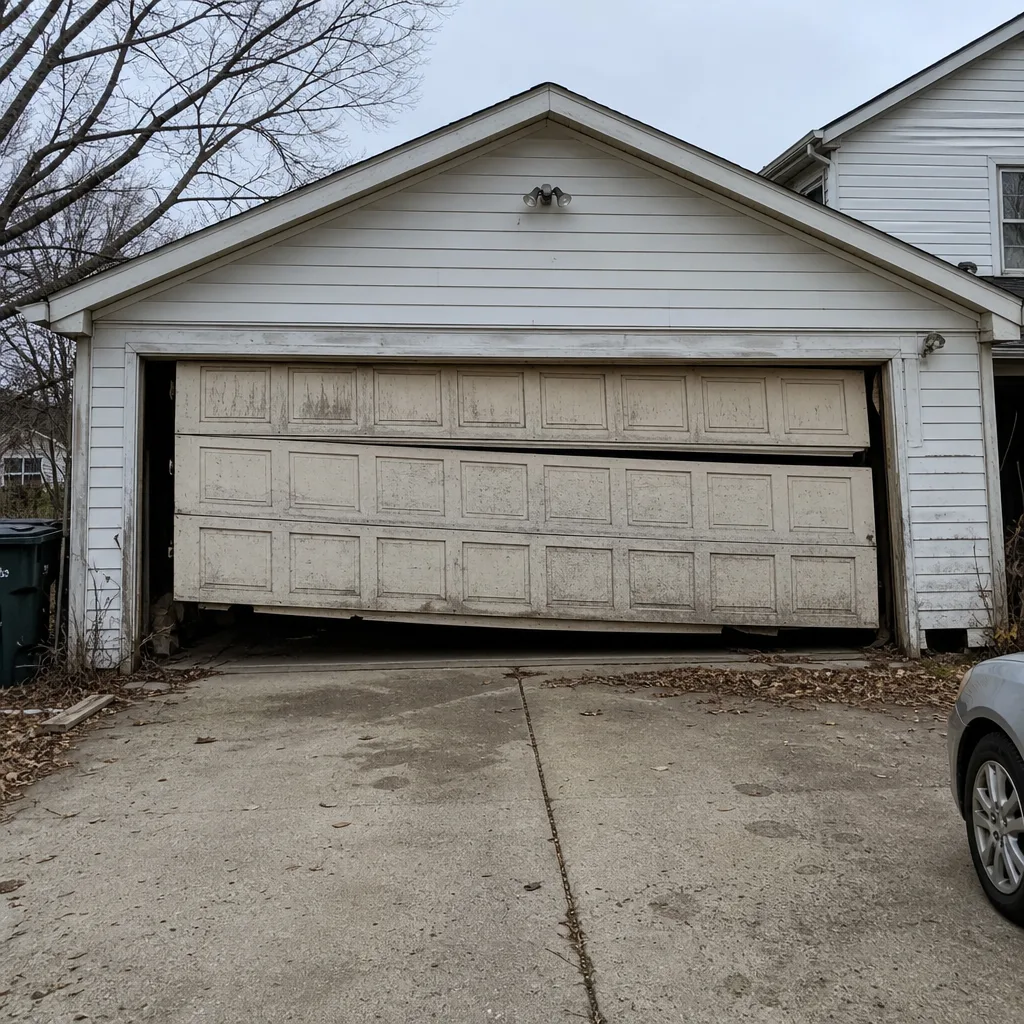 Before
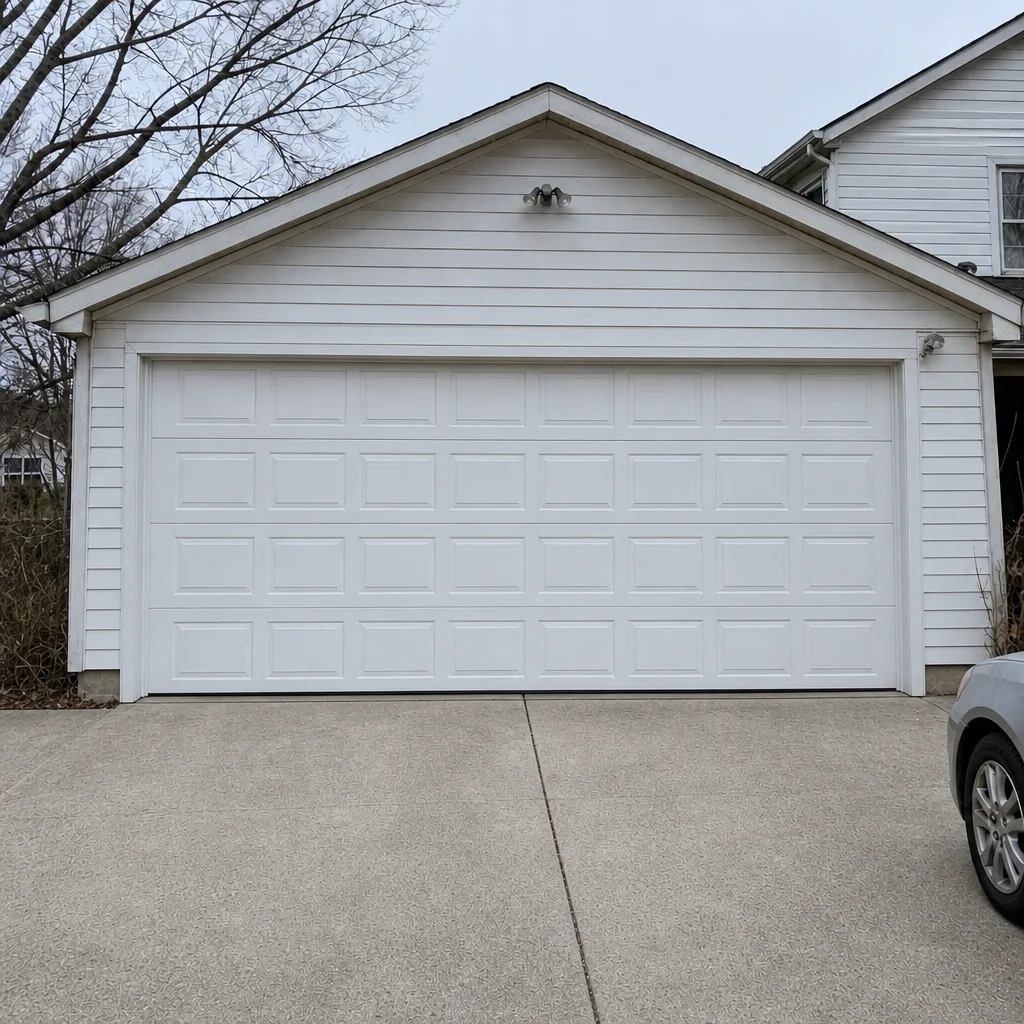 After
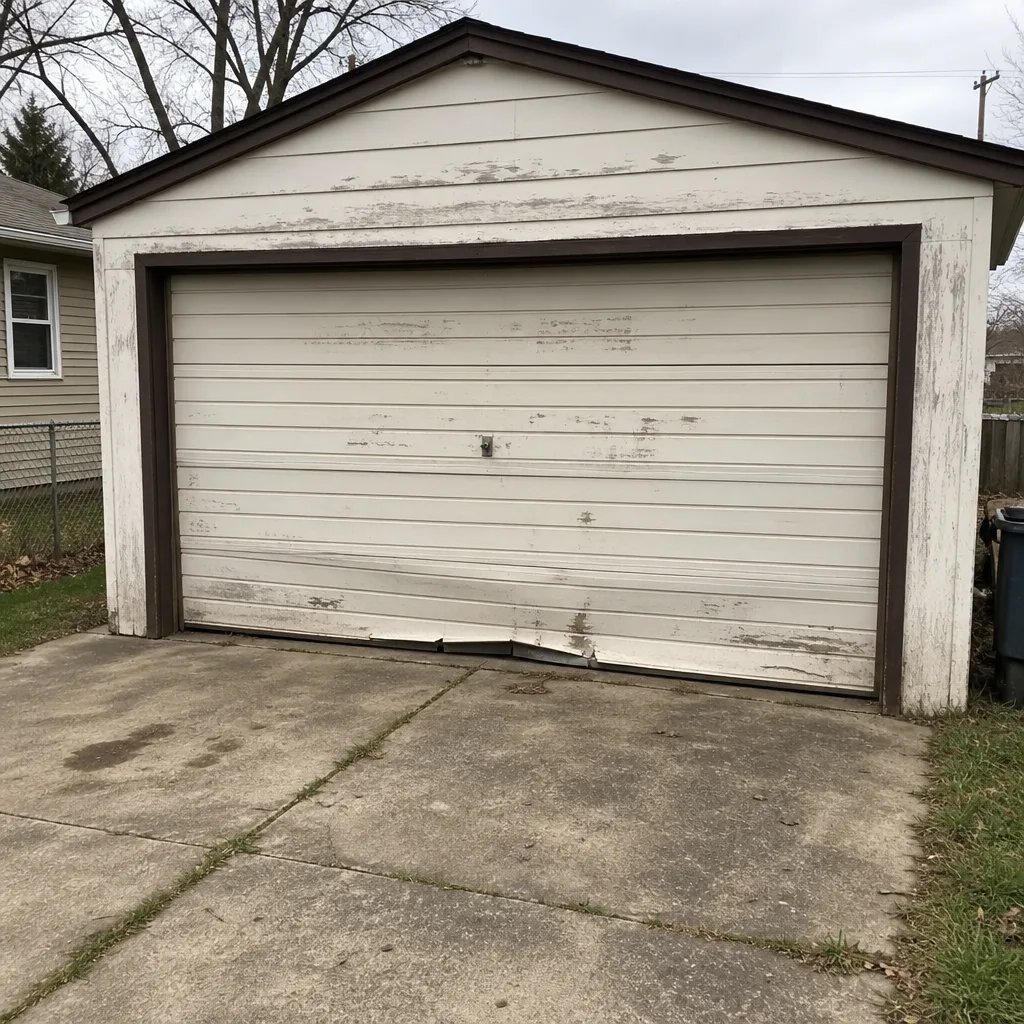 Before
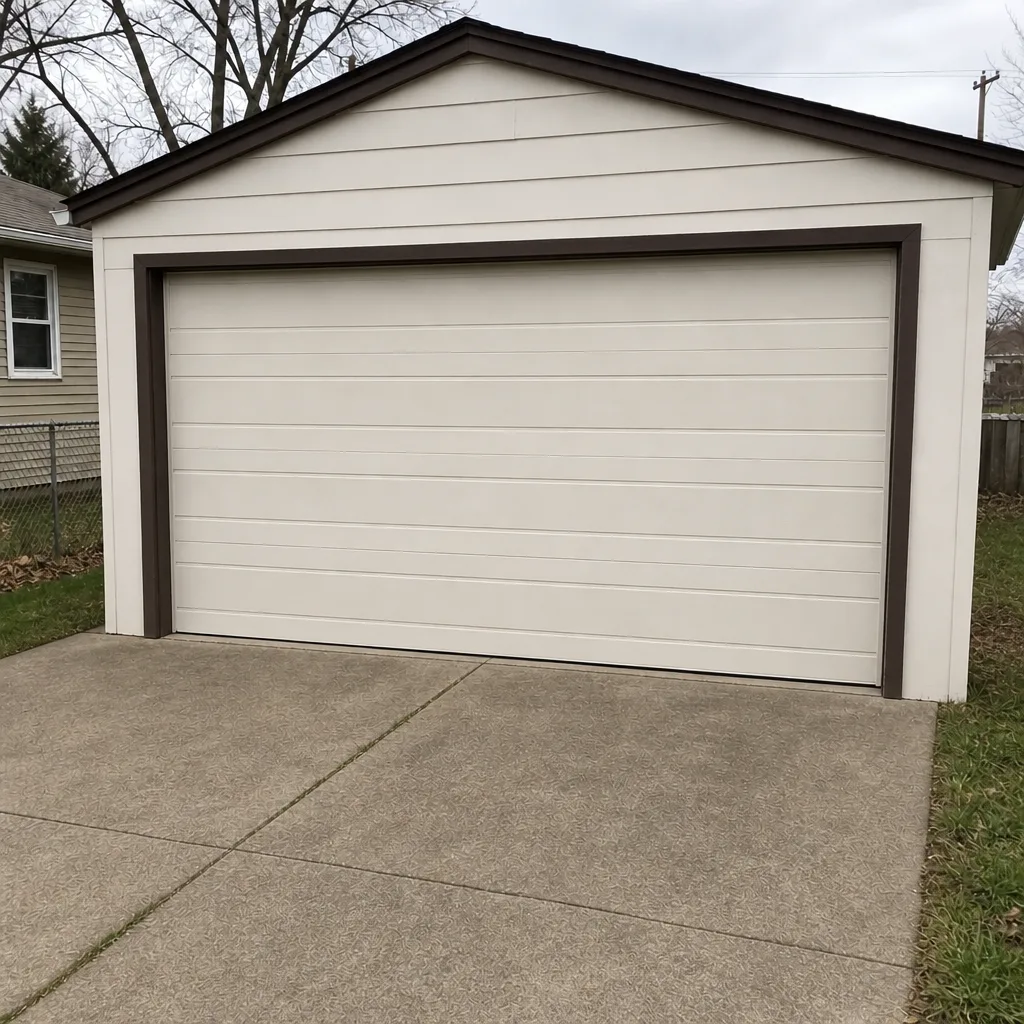 After
When to Call a Professional
Call a professional if the manual-release test shows a heavy or unbalanced door, if you’ve found a broken or visibly damaged spring, if a cable looks frayed, or if a track is bent or the door is crooked. Those point to spring, cable, or track damage that shouldn’t be handled by hand. Call as well if the opener hums without moving the door, if the door reverses and you’ve already ruled out the sensors, or if a smart opener won’t respond to the app or remote after re-pairing. Any time you’re unsure which component is at fault, a diagnosis is the right next step rather than guessing. Garage Door Repair Wanamaker offers free estimates in Wanamaker – call (855) 593-3820. We answer 24/7. Fast dispatch from 7am to 7pm, Sunday through Friday.
Frequently Asked Questions
Pull the manual-release cord, lift the door by hand, and let go halfway. A door that won’t hold position or feels heavy has a spring or balance problem; a door that moves freely by hand but won’t run points to the opener. For a confirmed diagnosis, call (855) 593-3820 – estimates are free.
Weak spring tension or a resistance setting that’s too sensitive is the usual cause once the sensors are clean and aligned. The opener reads the extra weight as an obstruction and reverses. A technician can confirm which it is and quote the fix before any work starts – call (855) 593-3820.
No. Springs store extreme tension, and an unexpected release can cause serious injury. Spring replacement requires the right tools and training, which is why we treat it as a dedicated service. Call (855) 593-3820 for a free estimate.
Pricing is set per job by a written estimate after we see the door, so there’s no fixed number to quote blind. A matched pair of springs is usually replaced together, and the written estimate sets the final price. Call (855) 593-3820 for an exact quote – estimates are free.
The local professionals we connect you with are licensed and insured as their state requires. Our technicians have up to 14 years of experience with springs, openers, tracks, and panels. Call (855) 593-3820 to book a free estimate.
Springs that have lost tension, or rollers that have seized, make a door heavier, and the opener slows down as it works harder. Address it before the opener wears out trying to compensate. Call (855) 593-3820 for a free estimate.
Same-day service is often possible – call (855) 593-3820 and we’ll find the soonest opening. We answer 24/7. Fast dispatch from 7am to 7pm, Sunday through Friday. A call outside dispatch hours is booked into the next opening, Sunday through Friday, 7am to 7pm.
The Bottom Line
Most garage door problems in Wanamaker come down to springs, the opener, or the tracks – and the fastest way to tell them apart is the manual-release test, not a guess. A door that reverses before closing is usually a spring or resistance issue, not a sensor. A dead door is often a broken spring, not a dead opener. Freeze-thaw owns the tracks and weatherseals, and it’s worth a spring walk-around every year. Springs and cables are not DIY. Track and sensor adjustments often are. When you’re unsure, a diagnosis is cheaper than a wrong repair. Call (855) 593-3820 for a free estimate – the price is agreed in writing before any work starts. For a wider view of what we cover across the area, see Garage Door Repair Wanamaker.
Written by the team at Garage Door Repair Wanamaker.