
Last updated November 20, 2026
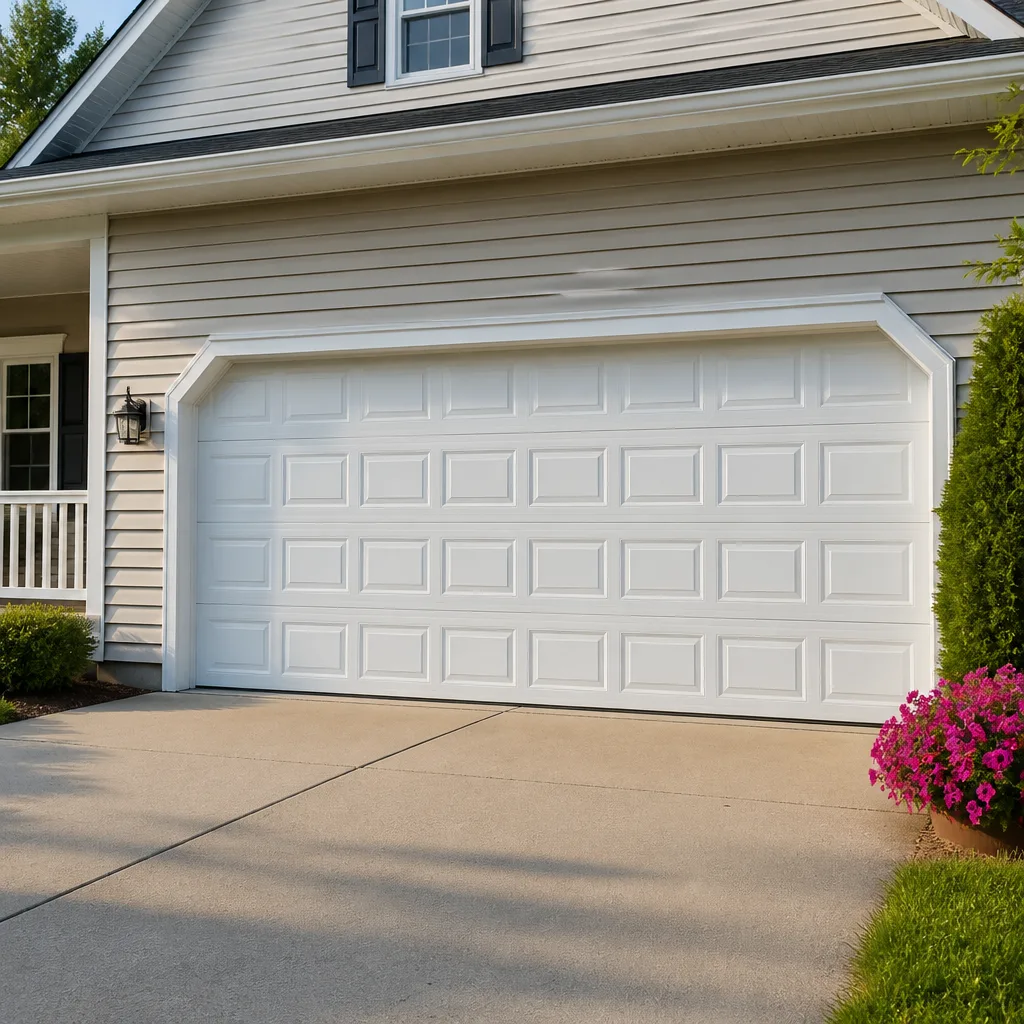 Raised-panel steel
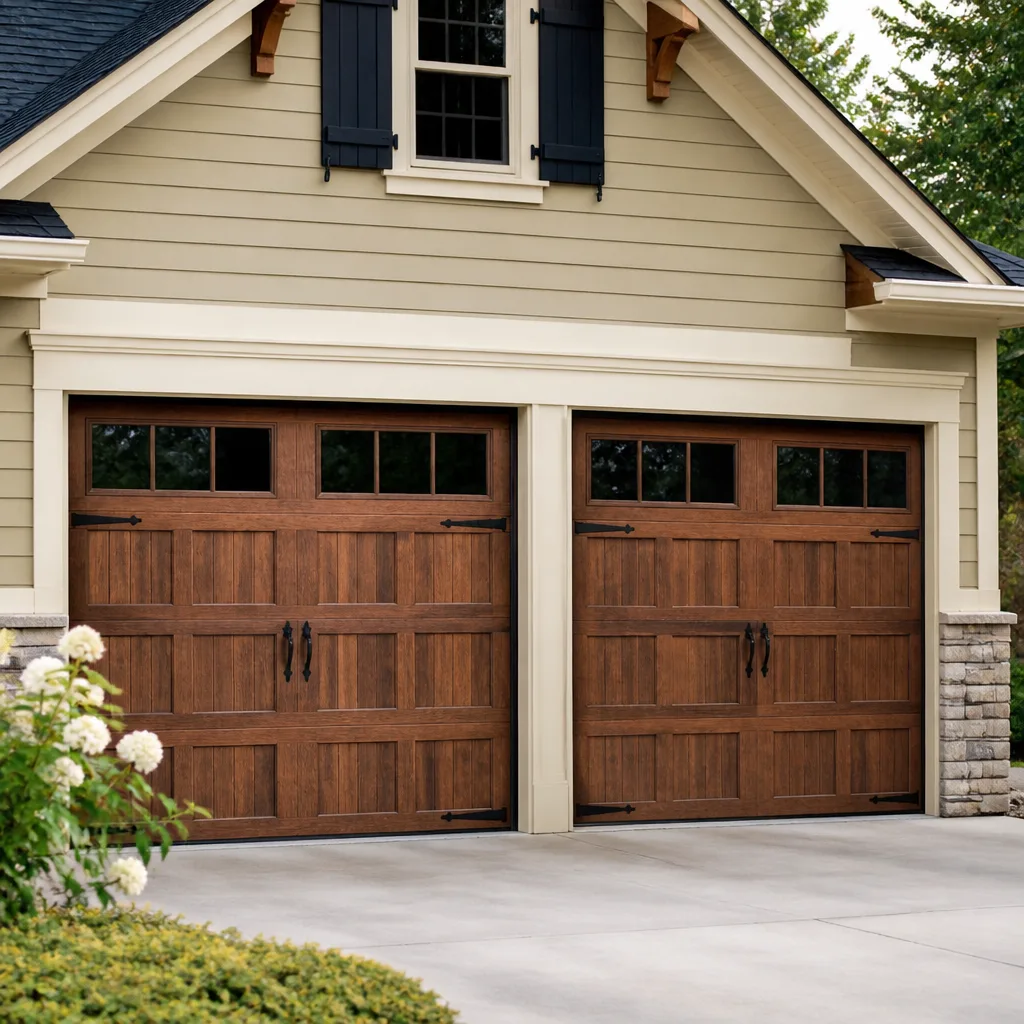 Carriage house
 Modern flush
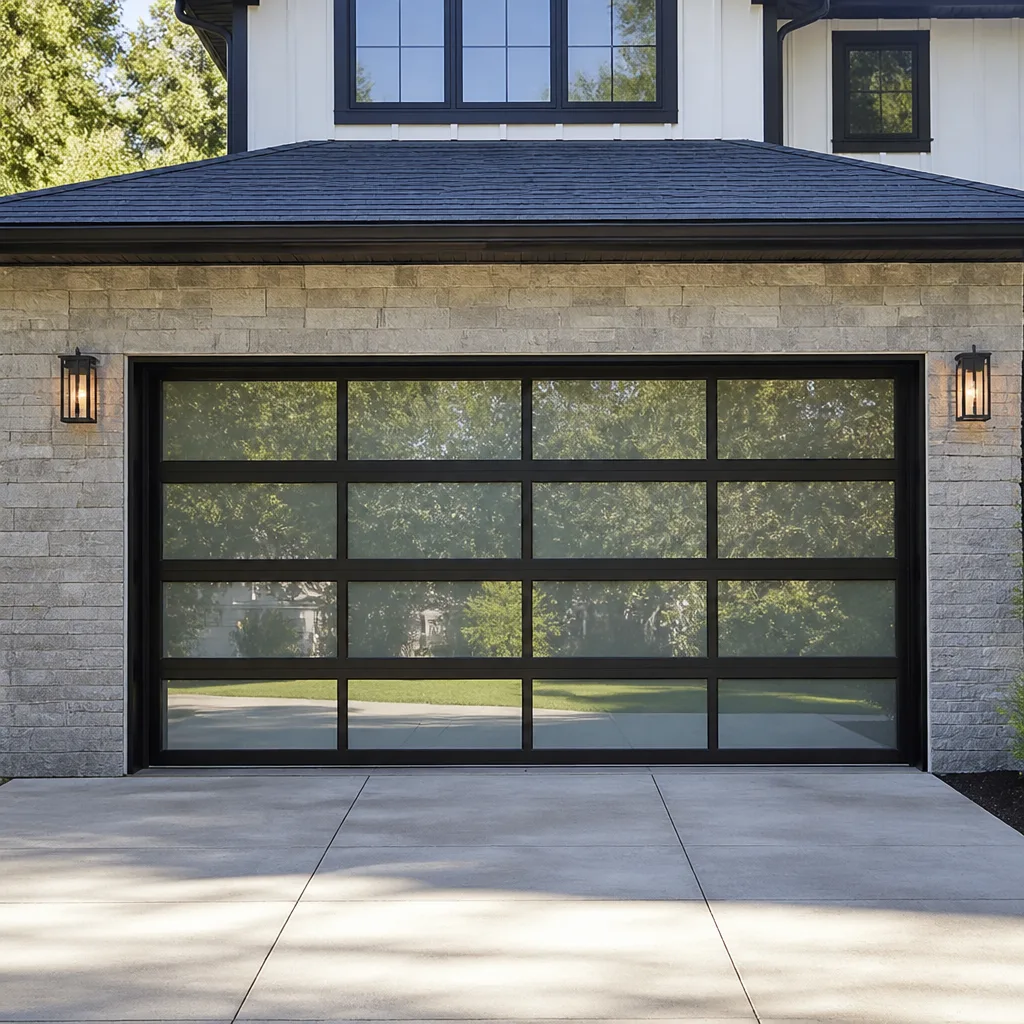 Full-view glass
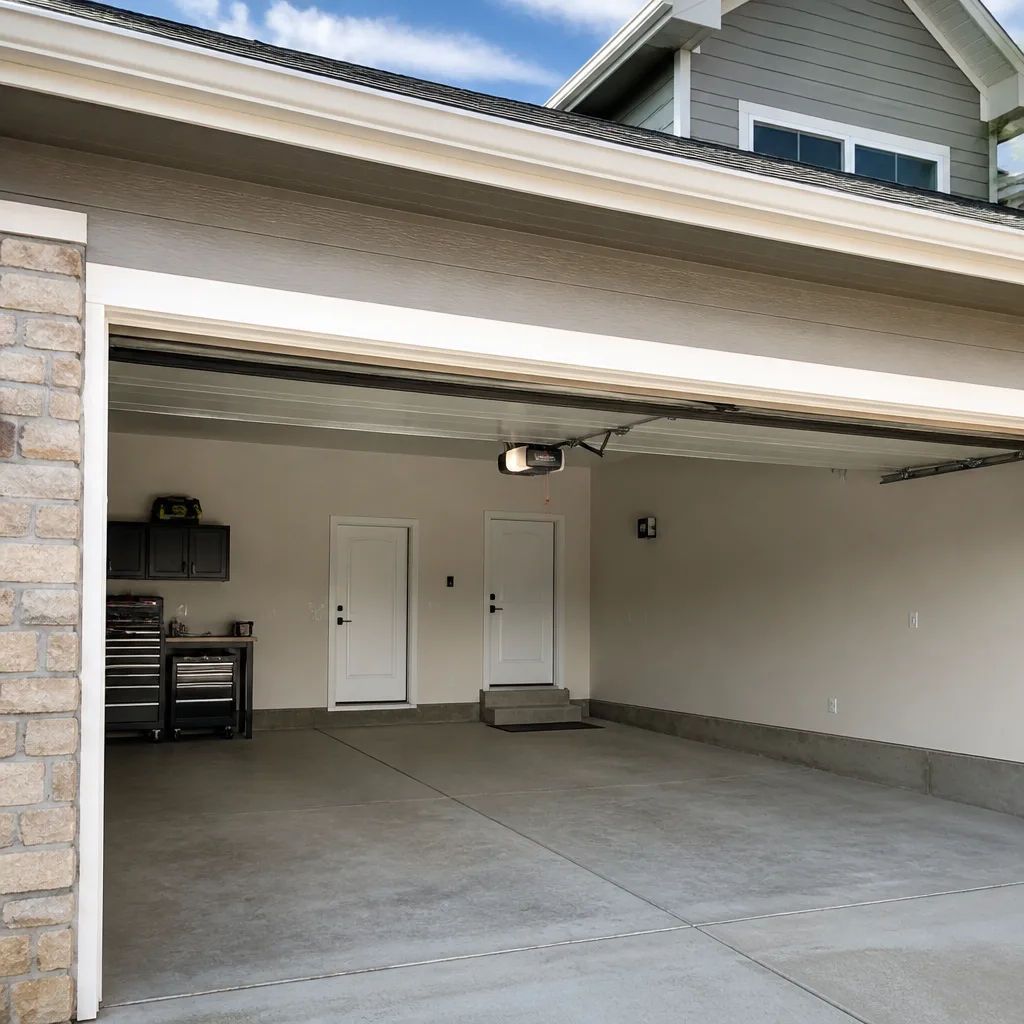 LiftMaster openers
 Chamberlain openers
Full 25-point door and opener safety check with every visit - springs, cables, rollers, tracks, and your LiftMaster or Chamberlain opener included
You get a price before we start. It does not change when the pro arrives.
Get your free estimateGarage Door Repair Maintenance Schedule: What to Do and When
The most common cause of a torsion spring failing early isn’t age. It’s an unbalanced door. A spring rated for 10,000 cycles can give out around 4,000 if it’s been lifting a door that’s consistently off-balance, and most homeowners never check. That’s the part generic checklists miss when they tell you to “lubricate moving parts annually” and leave it there. A real maintenance schedule for Wanamaker has to account for what our seasons do to steel, rubber, and tension, and it has to name the exact product for each part. This guide lays out what to check monthly, what to do before and after the temperature swings, and how to log it all so the next technician isn’t starting from scratch.
Quick Answer
A working garage door maintenance schedule runs on four rhythms: a 30-second balance check every month, a lubrication pass every three to four months using silicone on the tracks and hinges but never on the weatherseal, a full weatherseal and hardware inspection before winter and again after summer, and an annual professional tune-up that includes spring tension review and opener force testing. Log every task with the date so wear patterns are visible over time. Skip the monthly balance check and you shorten spring life no matter how diligent the rest of your schedule is.
Styles & brands we work with
- Raised-panel steel
- Carriage house
- Modern flush
- Full-view glass
- LiftMaster openers
- Chamberlain openers
Table of Contents
- Why a Real Maintenance Schedule Beats a Once-a-Year Tune-Up
- The Monthly Tasks: A 10-Minute Routine
- Lubrication by Component: The Right Product for Each Part
- A Month-by-Month Calendar for Wanamaker’s Climate
- The 30-Second Balance Test and What the Numbers Mean
- Springs, Cables, and the Tasks You Should Never Do Yourself
- Maintenance That Protects a Warranty vs. Tasks That Void One
- How to Log Maintenance So a Technician Can Read It
Why a Real Maintenance Schedule Beats a Once-a-Year Tune-Up
A garage door is a balanced system under constant load. Springs, cables, hinges, rollers, and the opener all share the work, and when one part drifts, the others compensate until something snaps. An annual tune-up catches a lot, but it can’t catch a door that went off-balance in April and ran that way through July. That’s why the schedule matters more than any single visit.
Here’s the mechanic’s logic behind a tiered schedule, spelled out by component:
- Balance check (monthly): The only early warning for spring fatigue, cable stretch, and track shift. Takes 30 seconds. Cheap insurance against a $180-$340 repair turning into a full spring replacement.
- Lubrication pass (every 3-4 months): Rollers, hinges, and torsion hardware lose grease and start grinding. Grinding accelerates wear on rollers and stresses the opener.
- Weatherseal inspection (twice a year, before and after seasonal swings): Rubber shrinks in cold and hardens in heat. A cracked bottom seal lets water, drafts, and pests in, and the seal is the cheapest part to replace.
- Professional tune-up (annually): Spring tension re-evaluation, opener force and travel limit testing, track alignment, and a full safety-reverse check – tasks that need gauges and a trained eye.
In Wanamaker, this break-down approach pays off specifically because our temperature swings are hard on the mechanical system. A door that ran smoothly through a cool spring will tell you something different in August after the steel has expanded. The schedule below is built around that rhythm and includes the checkpoints you want a professional to run before anything gets worse. If a repair is already due, Garage Door Repair Wanamaker handles the full range, from a single hinge to a whole spring set.
The Monthly Tasks: A 10-Minute Routine
The monthly routine is short on purpose. If it took an hour, you wouldn’t run it. These steps fit in ten minutes once a month, and every one of them runs on the same visit so nothing gets skipped. Do them in this order:
- Visual sweep (1 minute): Walk the full perimeter of the door. Look for a bent track, a cable that’s come off its drum, a hinge pulling its screws out of a cracked panel, or a roller that’s out of its bracket. Note anything odd.
- Listen test (15 seconds): Run the door up and down. It should be a smooth hum. Grinding, popping, or a rattle that wasn’t there last month points to a specific component – rollers, hinges, or opener drive.
- Balance test (30 seconds): Disconnect the opener, lift the door halfway, let go. It should hold position with minimal drift. More on measuring that in a later section.
- Safety-reverse test (30 seconds): Place a 2×4 flat on the floor in the door’s path. Close it. The door must reverse on contact with the board. If it doesn’t, stop using the opener until that’s fixed.
- Photo wall (1 minute): Snap four photos from the same angles each month – closed door from inside, opener rail, torsion springs, and the bottom weatherseal. Compare month to month. This is how you spot a slow-moving problem before it’s a service call.
- Lubrication spot-check (2 minutes): Spot-lube any hinge that’s stiff. Add more in the quarterly pass.
- Record it (1 minute): Log the date and anything you noticed in a maintenance log. A photo log beats a memory every time, and it’s what lets a technician read your door’s history the moment they step inside.
That’s it. Run these in Wanamaker once a month and you’ll catch most of what goes wrong before it does. If one of those steps turns up a problem, that’s the point where you book a repair. For urgent issues, our garage door repair service is worth knowing about.
Lubrication by Component: The Right Product for Each Part
This is where most generic advice goes wrong. “Lubricate moving parts” is a useless instruction, and the same silicone spray that’s perfect for your tracks will degrade the rubber weatherseal in about 18 months if it lands there. Every component needs a specific product.
| Component | Right Product | Wrong Product & Why | Frequency |
|---|---|---|---|
| Tracks, hinges, pivot points | Silicone-based spray lubricant | Heavy grease (attracts dust and gums up tracks) | Every 3-4 months |
| Rollers (metal or nylon) | Light silicone or white lithium | WD-40 as a cleaner only – it evaporates and leaves no film | Every 3-4 months |
| Torsion springs | Specialty spring lubricant (or leave alone) | WD-40, grease, or oils that attract grit between coils | Once a year (professionally) |
| Bottom weatherseal, side seals | Silicone spray rated for rubber, or 303 Protectant | Petroleum-based lubricants and general silicone sprays that dry out rubber | Twice a year |
| Opener chain / belt | Chain lubricant (chain) or nothing at all (belt) | Grease on belt drives, silicone on chains | Once a year |
| Opener force screws, travel limits | No lubrication | Anything with oil – attracts dust into the mechanism | Never |
The silicone-spray-degrades-rubber point is the one homeowners miss most. General-purpose silicone sprays use a solvent carrier that dries the rubber out over repeated application. If you want to condition a weatherseal, use a rubber-safe product, and never spray anything on the bottom seal while the door is up with the seal pointed at your face or the wind. Clean first, then a light pass.
For Wanamaker homes, the spring lubrication question is a professional call, not a homeowner one. Springs are dangerous – the torsion spring on a standard door is under enough load to break a wrist if it unwinds unexpectedly. We lubricate springs on our service visits because it extends their life, but the homeowner should never be reaching for a can near wound torsion hardware. If your door’s been making a squeal that suggests spring wear, garage door opener repair may also be in play if the opener itself is the source. Both are worth checking in one visit.
A Month-by-Month Calendar for Wanamaker’s Climate
Climate is the missing piece in most maintenance schedules. What works in a mild climate breaks down differently in Wanamaker, where summer heat expands the steel, forces the springs to compensate, and stretches the weatherseal, while winter cold shrinks rubber and can stiffen grease to molasses. Here’s how to spread the tasks across the year and align them with what the season actually does:
Spring (March – May)
- March: Full visual sweep and hardware check. The first warm-up after winter is when you’ll spot cable wear and any bottom seal that cracked over the cold months.
- April: Quarterly lubrication pass. Rollers, hinges, tracks. Check the balance test after the door’s been resting all winter.
- May: Seasonal weatherseal inspection. Replace any bottom seal that’s dried, cracked, or pulled away from the door’s edge. Book the annual professional tune-up now so it’s not competing with summer scheduling.
Summer (June – August)
- June: Monthly balance check (all summer months). Heat expansion changes the door’s balance subtly – if it drifts faster than it did in spring, note it and re-check.
- July: Spring tension re-evaluation after the door’s been running in heat. This is a professional’s call. A spring that seemed fine in May may show fatigue by July. We’ve seen this pattern repeatedly across Wanamaker homes.
- August: Quarterly lubrication pass and a photo log comparison against your spring photos. Look for spring coil separation or a visible gap.
Fall (September – November)
- September: Full balance test with measurement, track alignment check. The season’s changing fast and mid-September is a good inflection point.
- October: Pre-winter weatherseal check on the bottom seal and side seals. This is the important one – a worn seal entering winter lets in cold, moisture, and pests before spring. Replace before the first freeze.
- November: Annual professional tune-up (if not done in May). Opener force and travel limit testing, spring tension, track alignment, and a safety-reverse test under professional observation. Top off the chain drive with the right lubricant.
Winter (December – February)
- December: Cold-weather check – listen for a grind at the top of the run. Cold grease on the rollers can feel heavy; consider a lighter specialty lubricant if you’re seeing this.
- January: Balance test and photo log. This is when the door is under peak mechanical stress. Springs are working hardest against cold-stiff seals.
- February: Visual hardware inspection. Look for any hinge that’s started pulling loose from the panel due to cold cycling.
This is the schedule we recommend for Wanamaker households, and it’s built to catch the failure points that a calendar check misses when it’s on a mild-climate assumption. Our technicians have up to 14 years of experience running exactly this kind of seasonal inspection. For a full tune-up visit, our garage door installation team draws on the same diagnostic process to prep new doors before they’re hung.
The 30-Second Balance Test and What the Numbers Mean
The balance test is the single most important monthly task on the schedule because it’s the only one that tells you the springs are losing their set. Here’s exactly how to run it:
- Close the door fully and pull the emergency release cord (the red handle on the opener rail). This disconnects the opener from the door.
- Lift the door manually to about halfway. It should feel light – a properly balanced door takes maybe 5-10 pounds of force to lift.
- Let go at the halfway point. The door should hold its position with very little drift.
- Note the drift: inches in a minute. Under 1 inch in a minute is fine. 2-4 inches suggests the springs are starting to weaken and you should call for a tune-up. More than 4 inches, or a door that drops, means the springs are failing and it’s a service call now.
- Reconnect the release by lifting the door until it snaps back onto the opener carriage, then cycle it once to confirm the opener re-engages cleanly.
What this tells you specifically: a door that drifts downward at the halfway point has springs that are below their correct tension. A door that rises on its own from halfway has springs that are over-tensioned. Both are the spring’s fault, and both signal that the door is out of balance. Over-tensioned is more dangerous because it means the spring could snap when it fails.
Springs are dangerous hardware. A torsion spring carries enough force to seriously injure an unpracticed hand. Never attempt to adjust spring tension, disconnect spring hardware, or unwind a torsion spring yourself. That’s the task where a trained professional is genuinely necessary, and it’s where we spend the most technical time on any door. Skipped monthly balance tests are the number one cause of premature spring failure across Wanamaker and everywhere else. A door with chronic drift is working against a spring that’s aged past its rating.
Springs, Cables, and the Tasks You Should Never Do Yourself
The general rule for maintenance is: low-tension, low-height, and no spring tension means you can do it. High tension, high height, or no obvious safe way to test means you call a pro. Here’s the split:
Safe for homeowners:
- Visual inspections from the ground
- Balance test (only at the released-carriage step, never touching the spring)
- Safety-reverse testing with a 2×4 board
- Lubrication of tracks, hinges, and rollers (springs excluded)
- Weatherseal inspection and bottom seal replacement
- Photo logging
Never for homeowners:
- Adjusting torsion spring tension
- Replacing torsion or extension springs
- Removing cables from drums or brackets
- Adjusting track alignment if a cable is off its drum
- Replacing damaged panels or a bent track section under spring load
- Anything that involves reaching above the door while the door is raised and under tension
Spring repair is a distinct discipline. It’s the single most dangerous repair in the trade. We treat spring replacement as a specialty service and it’s the reason we tell people the safest maintenance log is one that never touches the springs. For a Wanamaker household with a spring that’s acting up, our spring service is worth a call.
The bottom line: the maintenance schedule is most valuable when the homeowner does the safest monthly and quarterly tasks and the pro does everything involving springs, cables, and opener adjustments. That combination keeps a door healthy for years. For a free estimate on any repair, or to book a full tune-up, the Wanamaker team is one call away.
Maintenance That Protects a Warranty vs. Tasks That Void One
Here’s the split that most checklists don’t spell out: some maintenance protects your warranty, and some voids it, and the difference is documentation and the specific task. Manufacturer warranties on doors from Genie, Clopay, Amarr, Wayne Dalton, and other major brands typically require that the door be installed to spec and maintained without alterations. Some tasks are safe and protect the warranty when you record them. Others void it.
Tasks that protect the warranty when documented:
- Monthly balance checks with photo logs (shows the door was maintained in balanced condition)
- Quarterly lubrication with the correct product (shows a maintenance history)
- Annual professional tune-ups with the service record kept with the door’s paperwork
- Weatherseal inspections with replacement dates logged
Tasks that can void a warranty if done incorrectly:
- Adjusting spring tension by anyone other than a trained technician. Improper adjustment can void the spring warranty and stress every other component.
- Using non-approved lubricants on springs, chain drives, or opener components – heavy grease, WD-40 as a long-term lubricant, and similar products are often called out specifically in warranty terms.
- Modifying opener force settings outside the manufacturer’s adjustment range.
- Disassembling or re-mounting opener components during a repair.
- Modifying panel or hinge hardware in a way that changes the door’s balance.
The safest rule we tell Wanamaker homeowners: log every task, use the manufacturer’s recommended product, and let your technician do the springs and opener adjustments. If you’re ever unsure, ask the manufacturer’s warranty terms directly. A warranty-protecting log is a small habit that pays off when you need it. If a spring or opener is already acting up, a full look is the right first step. We work with insurance and can also spot whether a component failure is covered under a manufacturer policy while we’re on-site.
How to Log Maintenance So a Technician Can Read It
The single biggest mistake beyond skipped tasks is logging nothing. Memory is a terrible maintenance record. Here’s a logging system that fits in a shoebox or a phone:
- Start with a one-page baseline: Date, door model (from the sticker on a panel), opener model (from the label on the motor housing), and a photo of the torsion springs and the opener. That’s your baseline against which everything gets compared.
- Log every task with a date: A simple notebook works fine. Date, task, product used, and any observation. “5/14 – lubricated rollers and hinges (silicone). Noted slight grind on right-side top roller.” That note alone tells a technician a lot.
- Keep four photo angles: Closed door from inside, opener rail, torsion springs, bottom seal. Same four spots. Then when you hand the log to a technician, they can see wear progression without starting from scratch.
- Note deviations from spec: If the balance test drifted 1 inch last month and 3 this month, write both. The rate matters more than the number.
- Keep professional service records with the door’s paperwork: Any tune-up or repair invoice goes with the log. If the door has a manufacturer warranty, those records protect it.
Good logging turns a routine call into a targeted one. If a technician can see that a component has been drifting over six months, they’re looking at a different problem than if the door suddenly failed yesterday. It saves time on both ends and it lets the professional recommend a repair before it’s an emergency. Any local pro offering garage door repair in Wanamaker can look at that log and skip the guessing stage. Book that visit by calling the Wanamaker team directly.
Common Mistakes to Avoid
- Spraying silicone on the weatherseal. The carrier solvent in general-purpose silicone sprays dries rubber out and shortens weatherseal life in Wanamaker’s seasonal swings. Use a rubber-safe product.
- Skipping the monthly balance check. This is the number one cause of premature spring failure. A door that ran off-balance through two seasons is harder on its springs than a door that did double the normal cycles.
- Using heavy grease or WD-40 as a long-term lubricant. Grease attracts dust into tracks and rollers, and WD-40’s solvent evaporates and leaves nothing behind. Use the right product for the right component.
- Adjusting springs to “take up the slack.” This is a professional task for a reason. An over-tensioned spring fails harder and more suddenly than a worn one, and a homeowner adjusting it can cause serious injury.
- Bypassing the annual tune-up. The professional visit catches the tasks a homeowner can’t safely do – opener force testing, spring tension, track alignment under load. Skipping it doesn’t save money, it moves the cost.
- Logging nothing. Without a record, every call starts from scratch. Even a simple date-and-task notebook makes the next visit faster and sharper.
- Forgetting the pre-winter weatherseal inspection. A failed bottom seal in Wanamaker’s winter lets cold, moisture, and pests in before spring, and the repair cost climbs when it’s discovered cold.
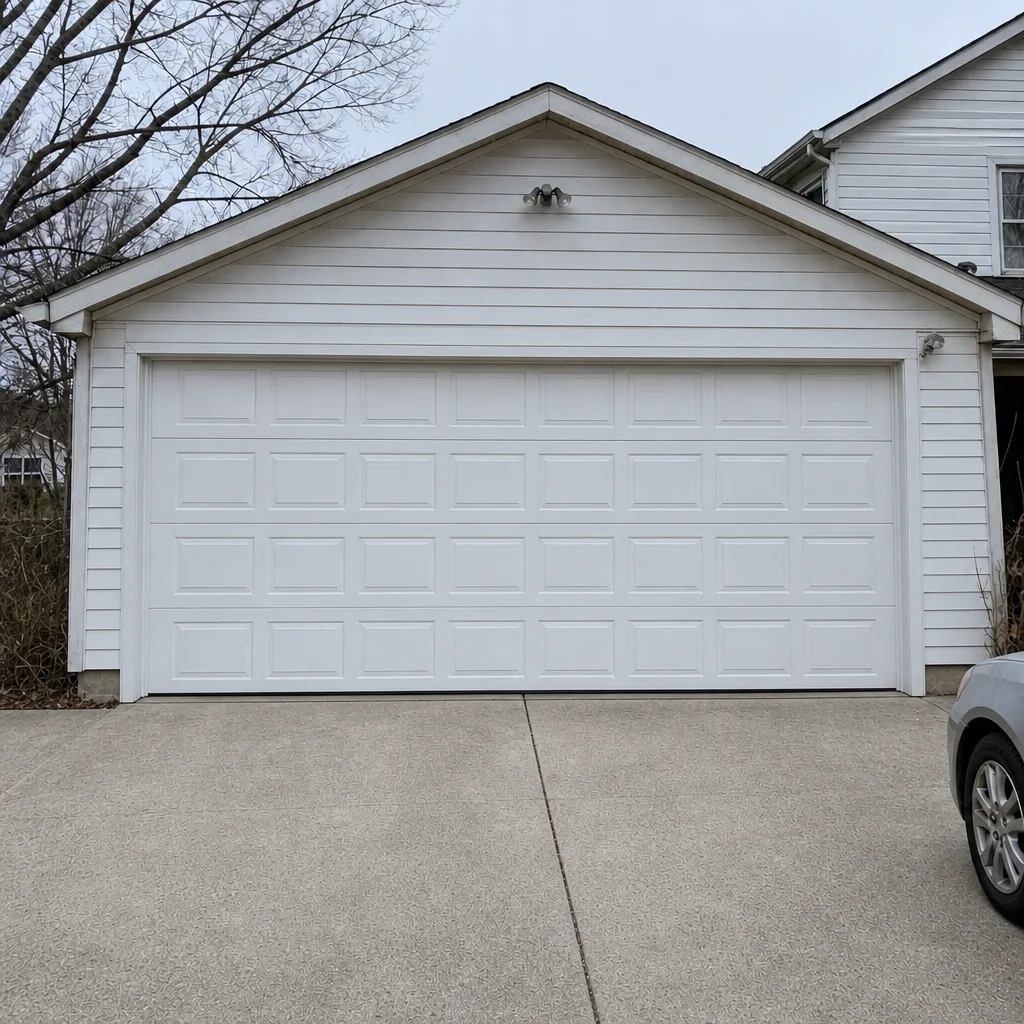
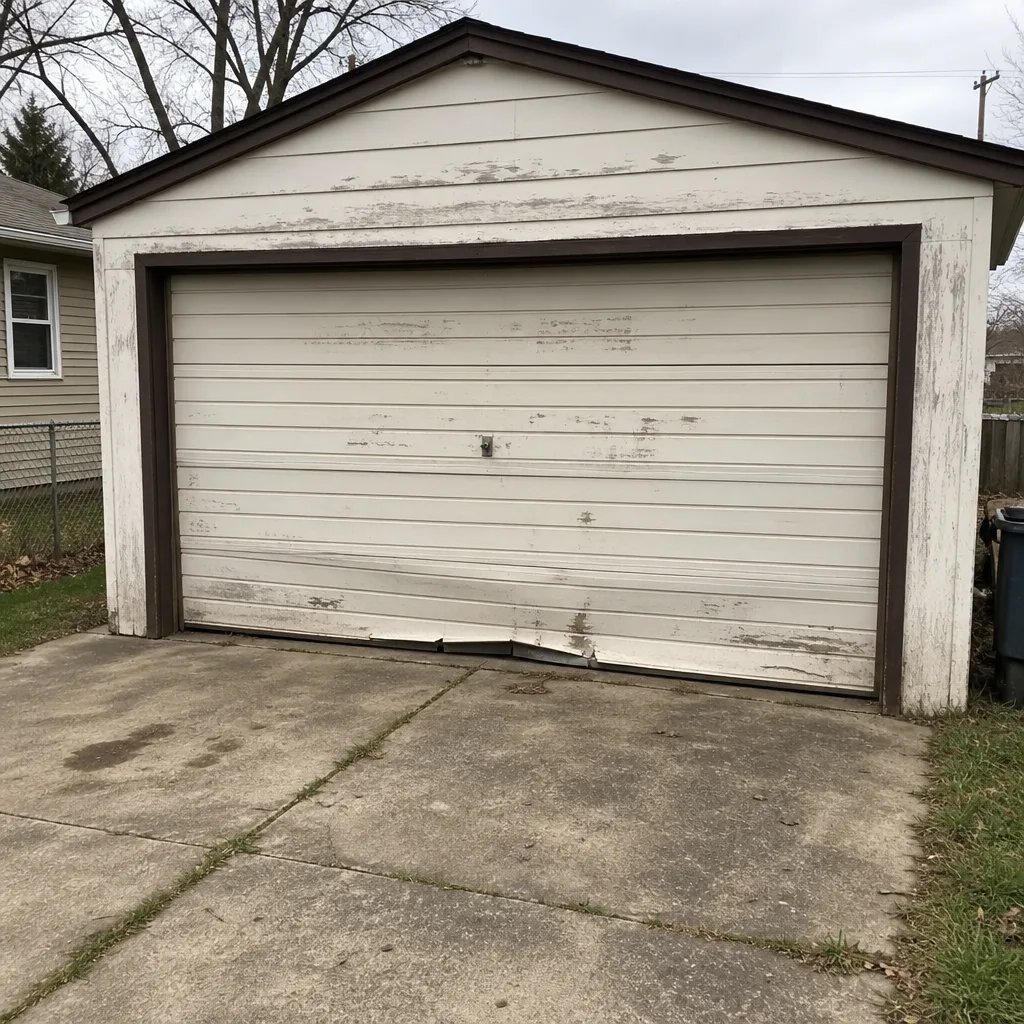
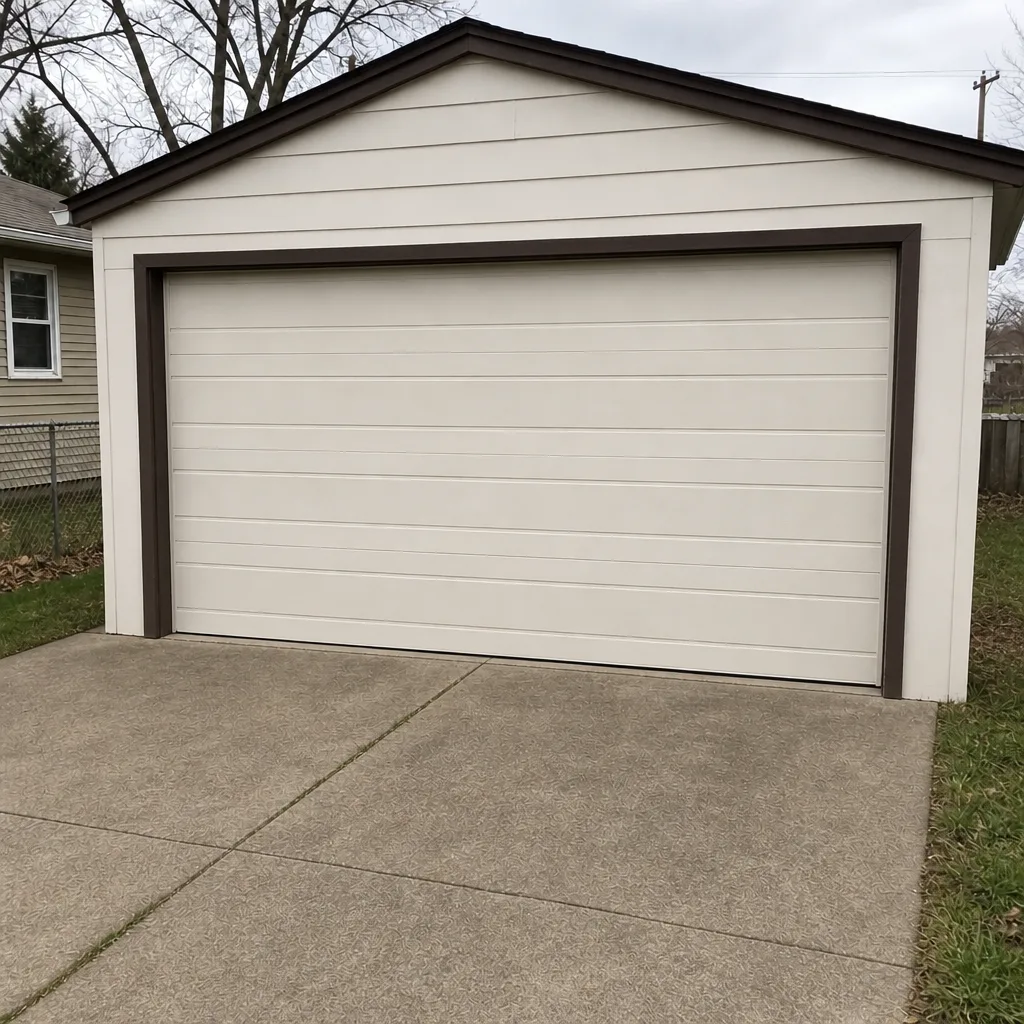
See the difference
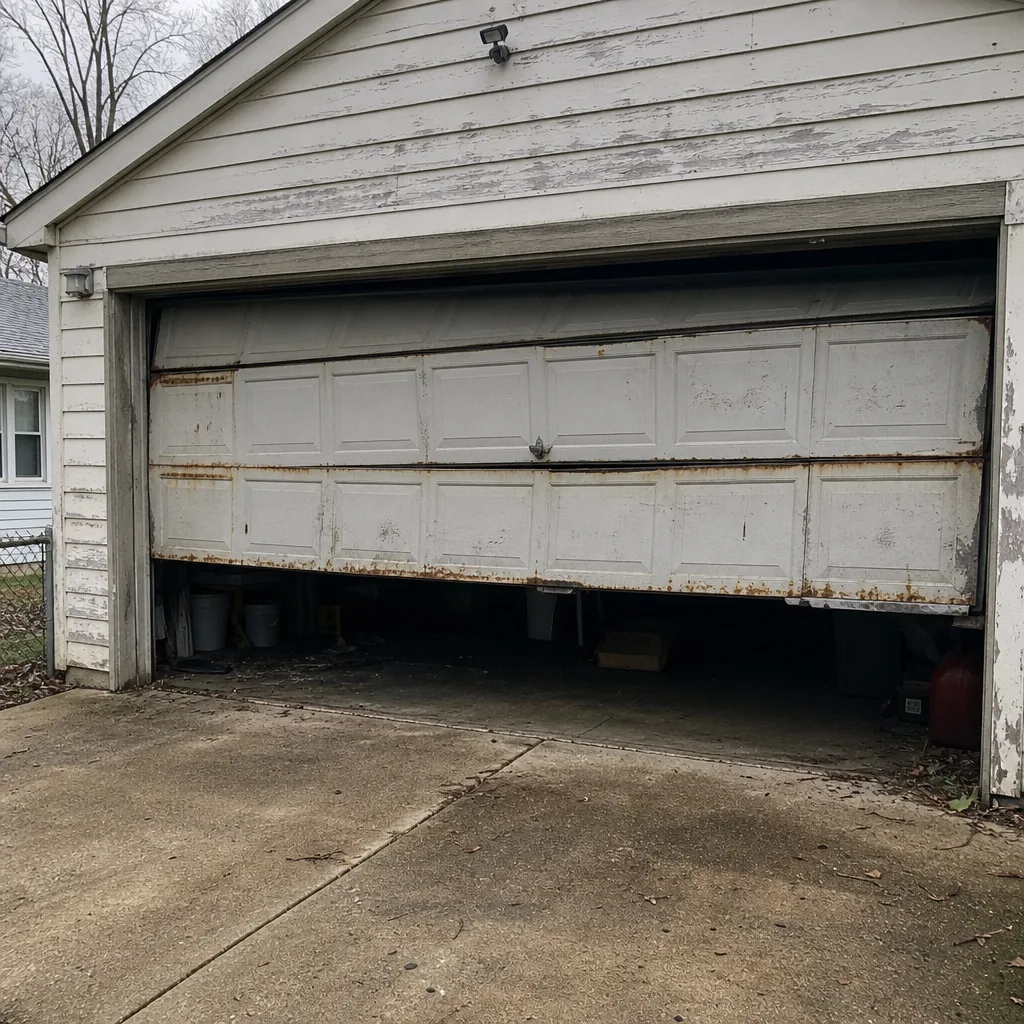 Before
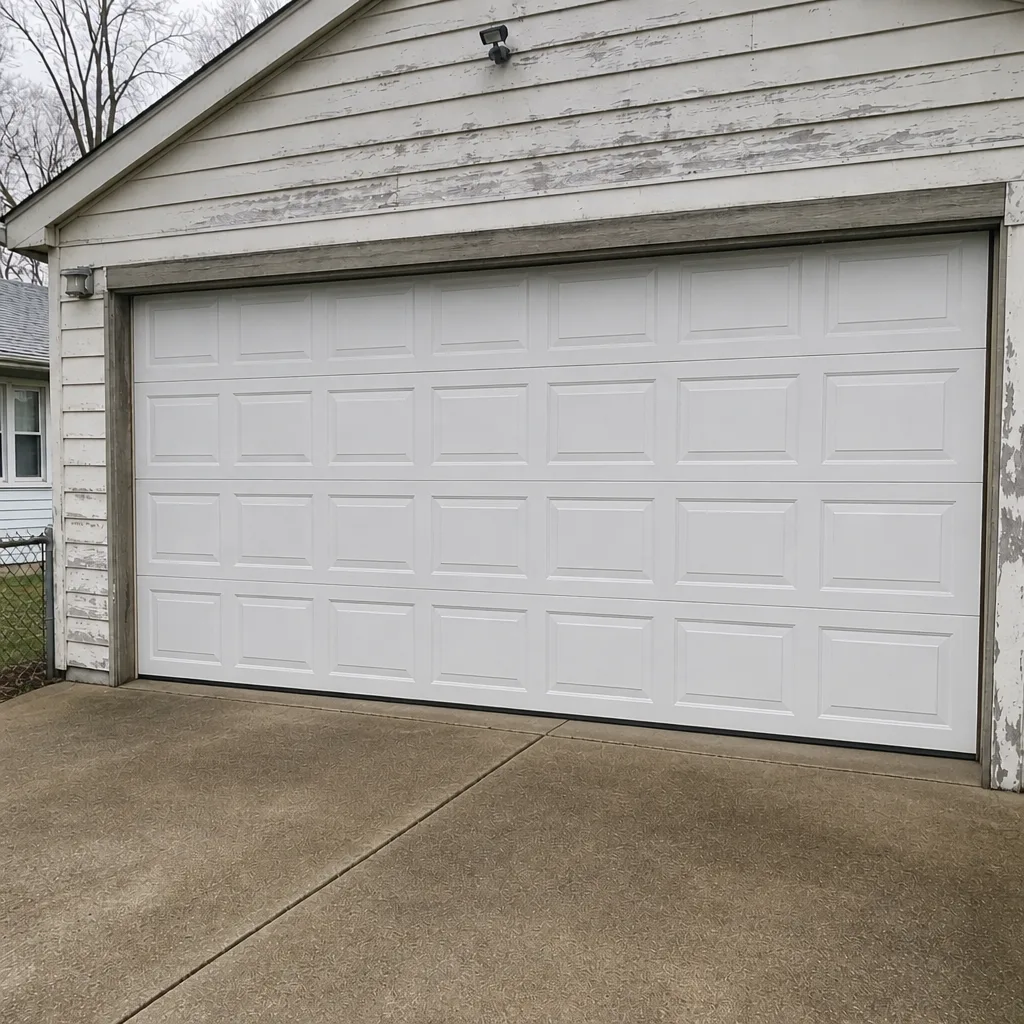 After
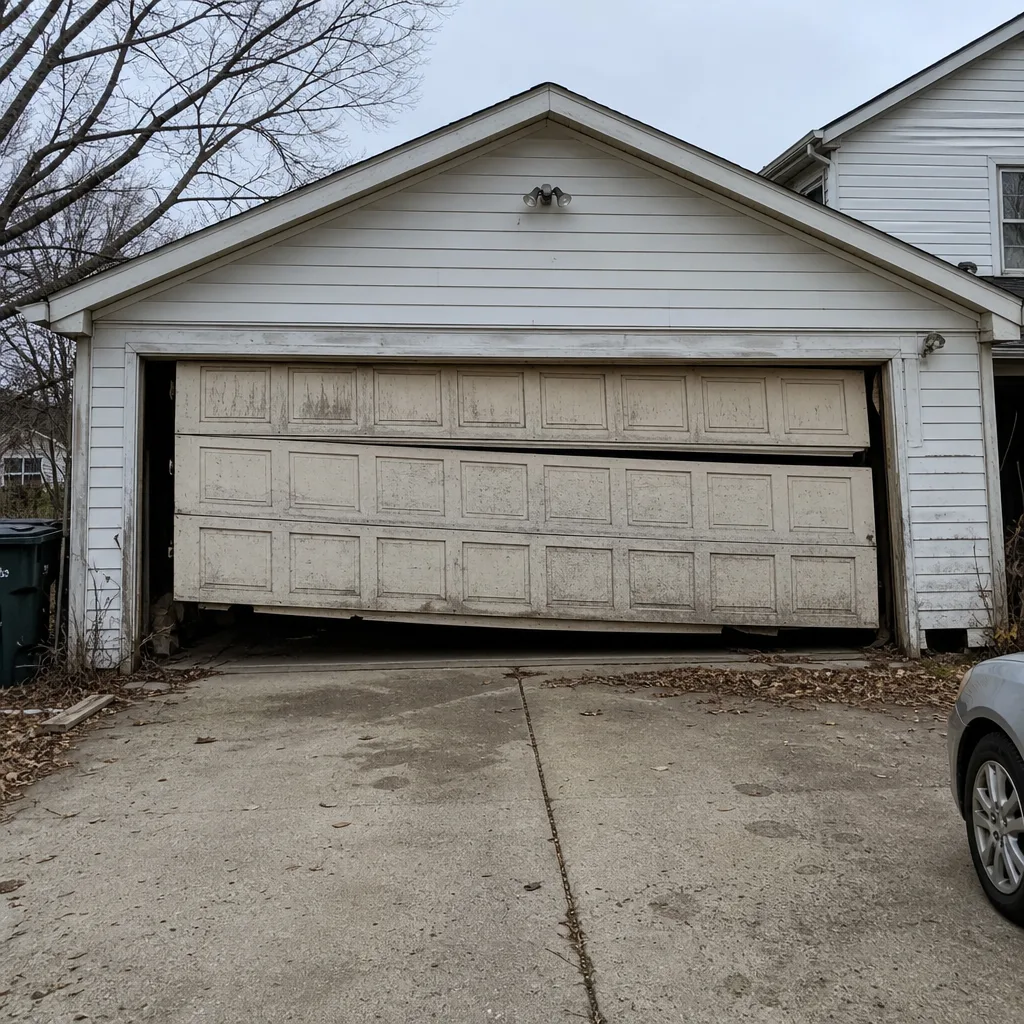 Before
 After
 Before
 After
When to Call a Professional
Some tasks are monthly DIY, some are annual DIY, and some are always a call. Here’s when to reach out:
- Balance test shows more than 2-4 inches of drift per minute, or the door drops when released
- Broken torsion or extension spring (typically visible as a gap in the coil or a snapped spring end)
- Cable or drum misalignment or a visible cable off its bracket
- Opener won’t respond, force settings won’t hold, or a safety-reverse test fails
- Bent track section or a hinge pulling loose from a panel
- Persistent grinding or popping during operation after a lubrication pass
- Any weatherseal or bottom seal replacement on a door that’s already out of balance
Garage Door Repair Wanamaker offers free estimates in Wanamaker – call (855) 593-3820. We work on the brand you already have, we stock parts so the repair isn’t waiting on a back order, and we do the spring work as a specialty. If your door is doing any of the above, it’s time for the professional pass.
Frequently Asked Questions
A garage door should be serviced professionally once a year, with monthly DIY balance checks and quarterly lubrication in between. Wanamaker’s temperature swings add two extra critical checkpoints – a pre-winter weatherseal inspection and a post-summer spring tension review – because the door’s mechanical condition genuinely changes with the seasons. Monthly checks are the real insurance against early spring failure.
No. Spring lubrication should be a professional’s task. Torsion springs are under extreme load, and the wrong product or a slip while reaching for a wound spring can cause serious injury. Homeowners can lubricate tracks, hinges, and rollers, but any maintenance that involves the spring hardware should go to a trained technician. Call (855) 593-3820 for a free estimate on spring service.
The balance test checks whether the door holds its halfway position after the opener is disconnected. Run it monthly. Drift under 1 inch per minute is fine, 2-4 inches means the springs are weakening and you should book a tune-up, and more than 4 inches or a door that drops means it’s a service call now. It’s the fastest early warning for spring failure and it costs you nothing.
General-purpose silicone sprays use a solvent carrier that evaporates and dries out the rubber over repeated application. Within about 18 months, a weatherseal that gets sprayed with the same product as the tracks will crack, shrink, and lose its seal. Use a rubber-safe product on the weatherseal and keep the regular silicone spray for metal-on-metal contact points.
You need a log. Memory doesn’t show the rate of change – whether a component has been drifting slowly for six months or failed yesterday. A simple notebook with dates and tasks, plus a four-angle photo set with each entry, lets a technician spot wear patterns immediately. It also protects any manufacturer warranty that requires documented maintenance.
Adjusting spring tension, using non-approved lubricants on springs or opener components, modifying opener force settings outside the manufacturer’s range, and disassembling opener hardware can all void a warranty. Tasks like monthly balance checks, quarterly lubrication with the right product, and documented professional tune-ups protect it. When in doubt, ask the door and opener manufacturer’s warranty terms directly, and let a trained technician handle the spring and opener adjustments.
The Bottom Line
A garage door maintenance schedule works when it’s tiered, dated, and specific. Run the 30-second balance test every month. Lubricate every three to four months with the right product for each component – and keep silicone away from the weatherseal. Inspect the weatherseal before winter and the spring tension after summer. Book the annual professional tune-up for the tasks that involve springs, cables, and opener force settings. Log it all. In Wanamaker, this rhythm keeps the door working through the seasonal swings that do the most wear. And when a task needs a trained technician, call (855) 593-3820. We answer 24/7. Fast dispatch from 7am to 7pm, Sunday through Friday. The estimate is free, and the price is quoted and agreed before any work starts.
Written by the team at Garage Door Repair Wanamaker.