
Last updated November 20, 2026
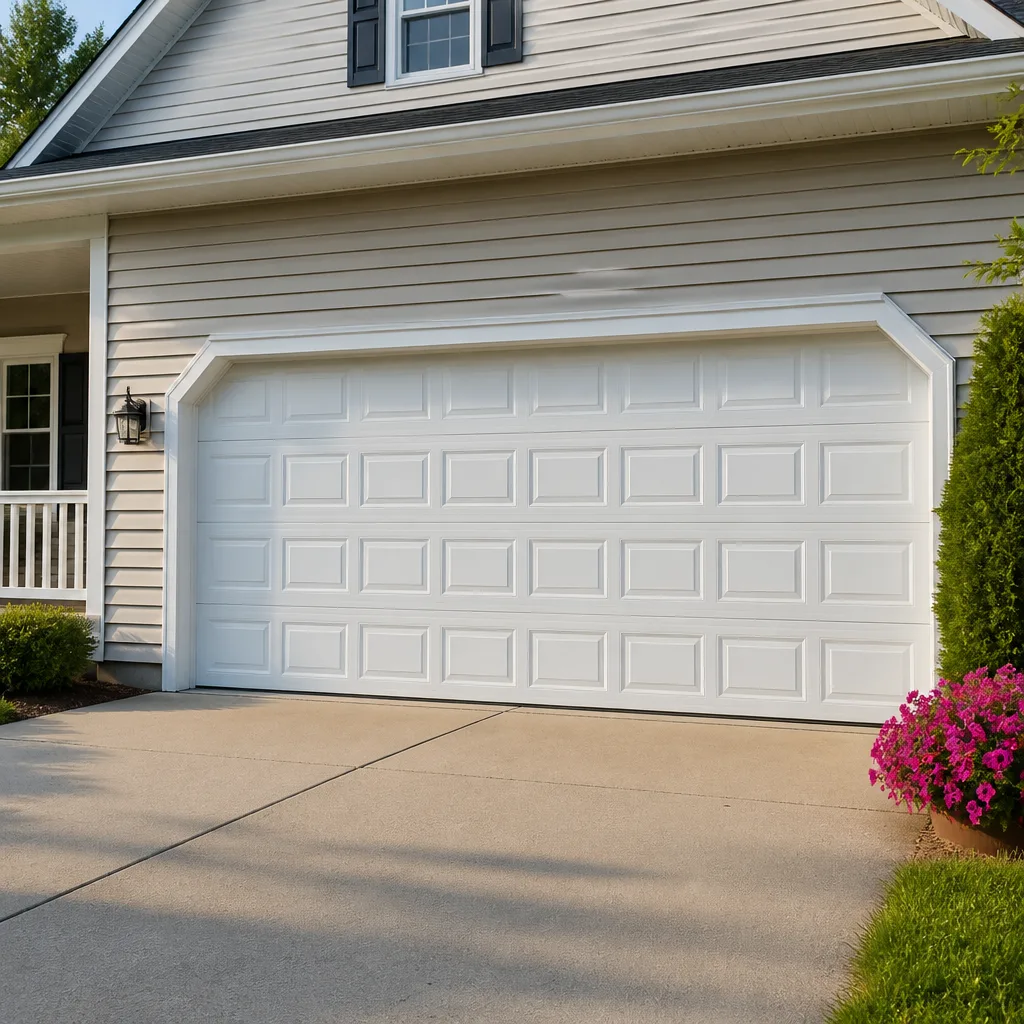 Raised-panel steel
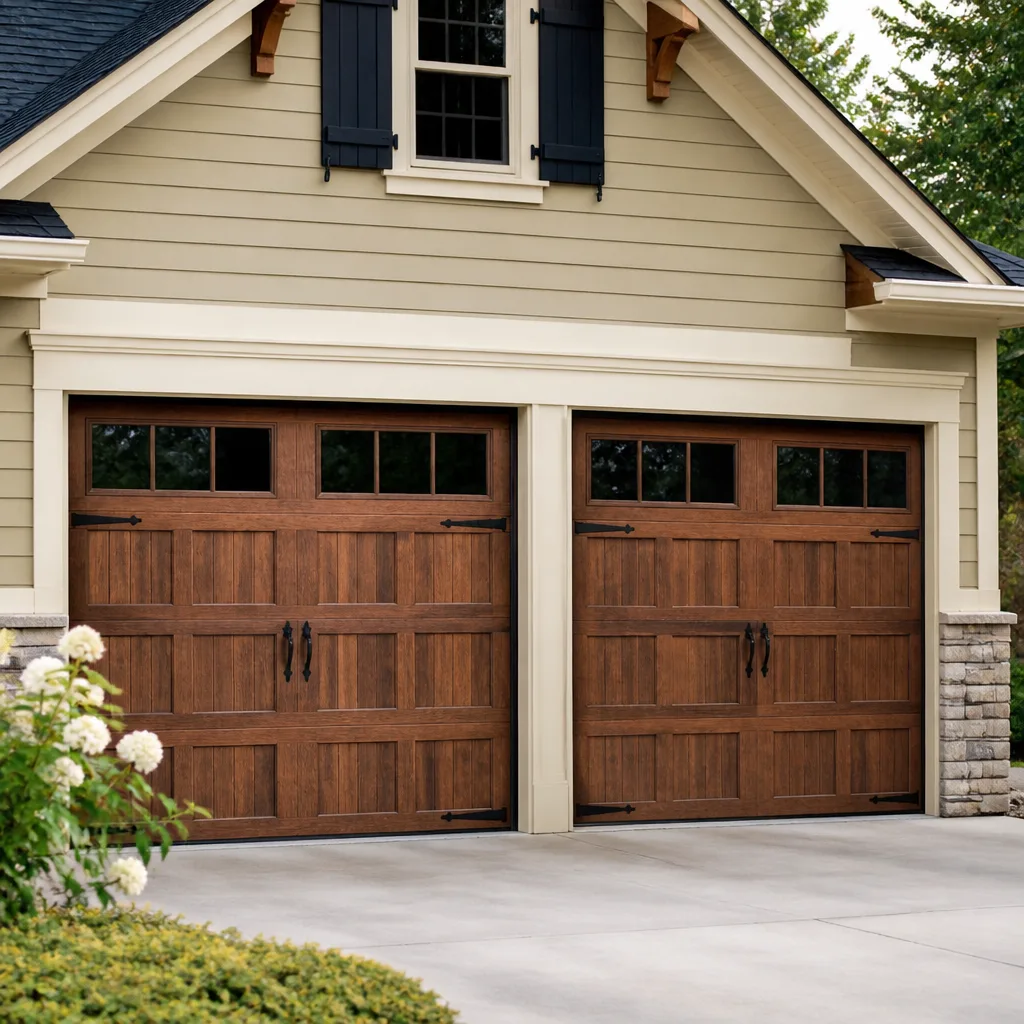 Carriage house
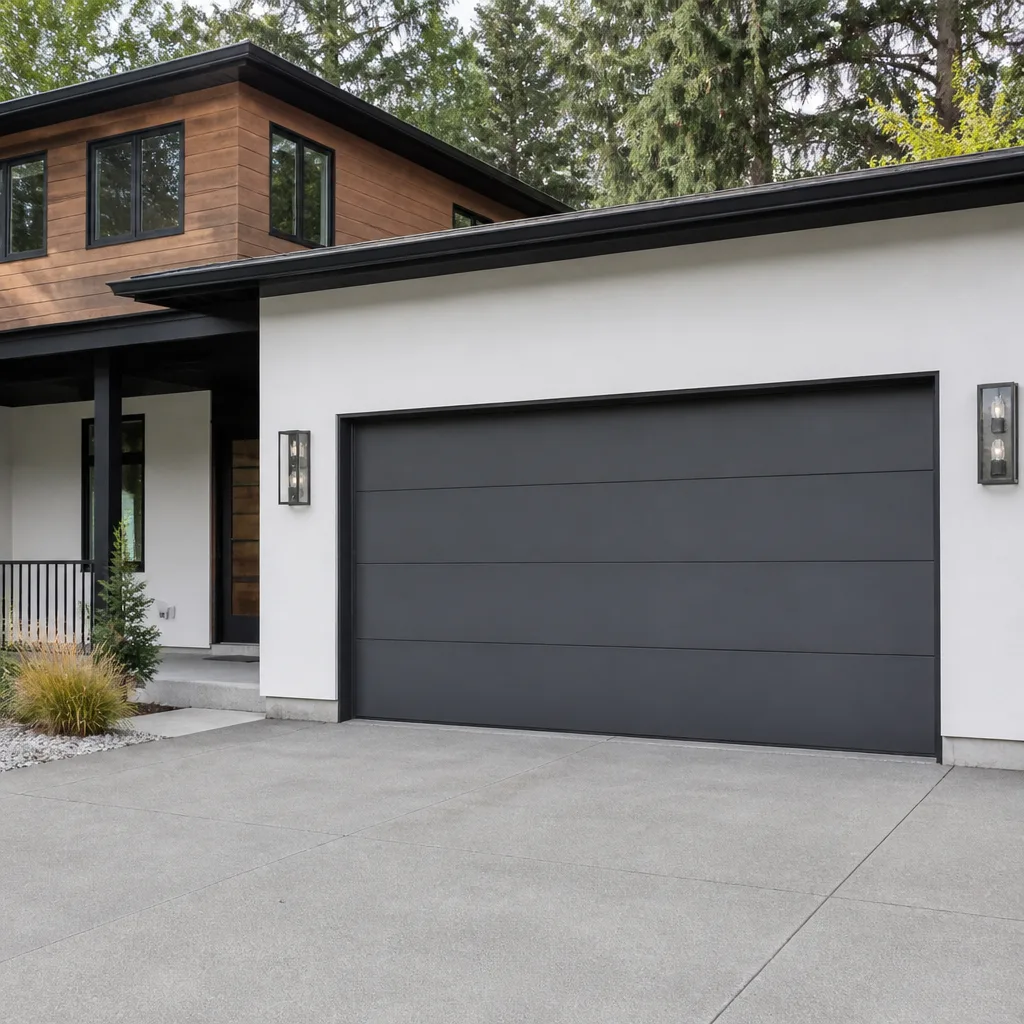 Modern flush
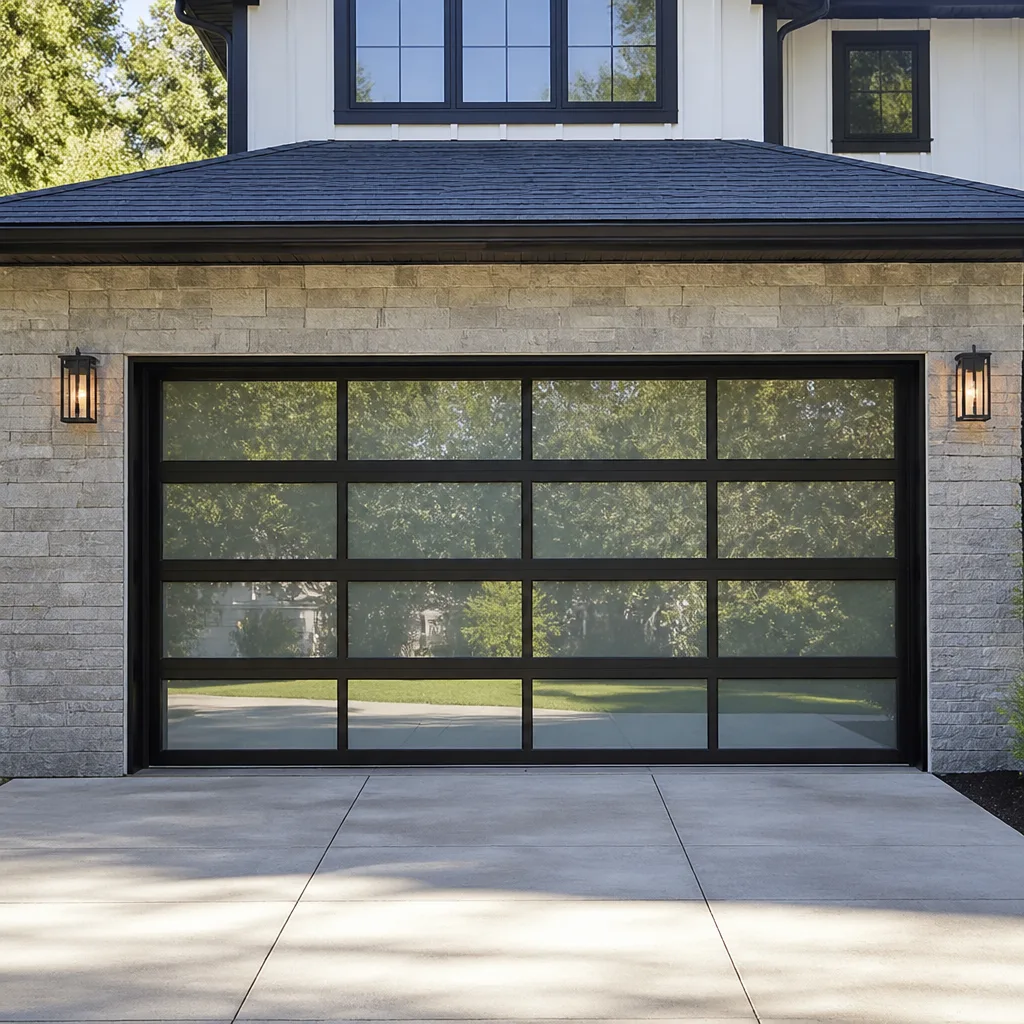 Full-view glass
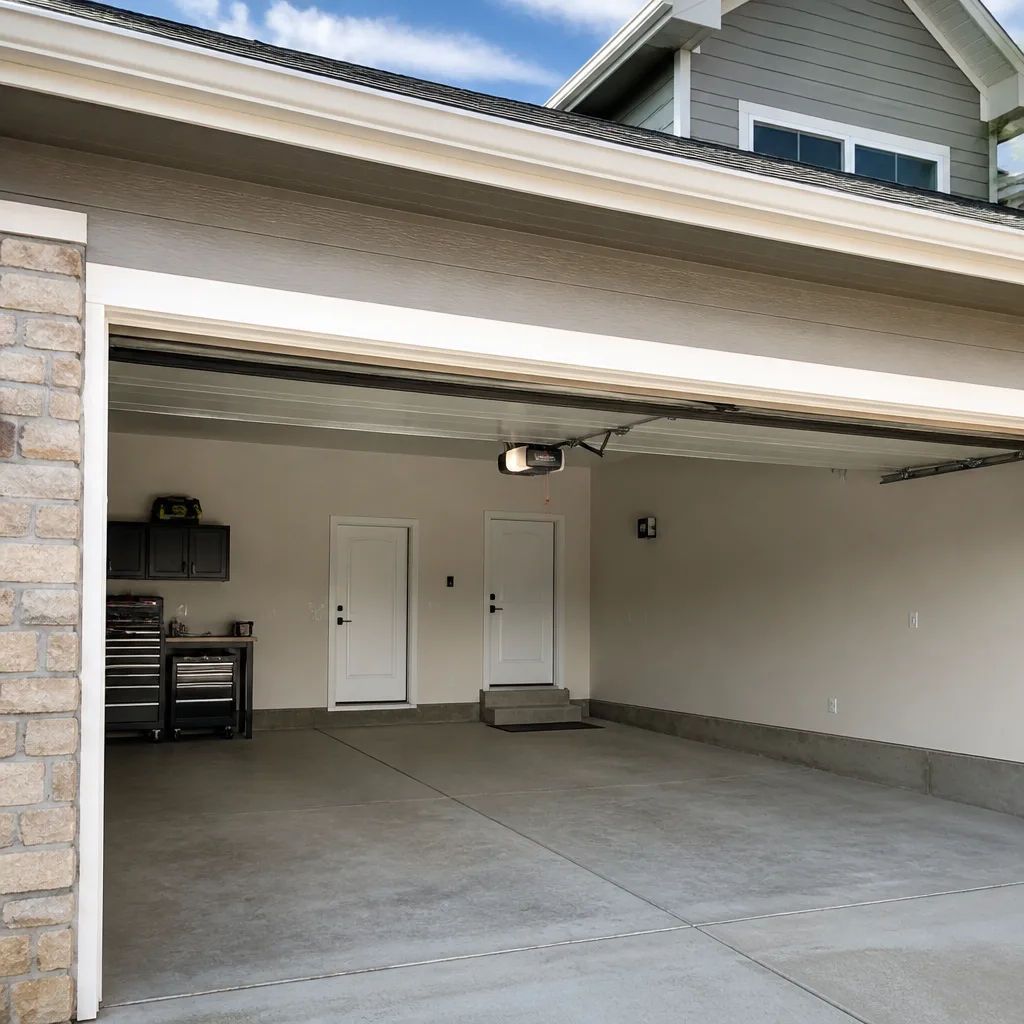 LiftMaster openers
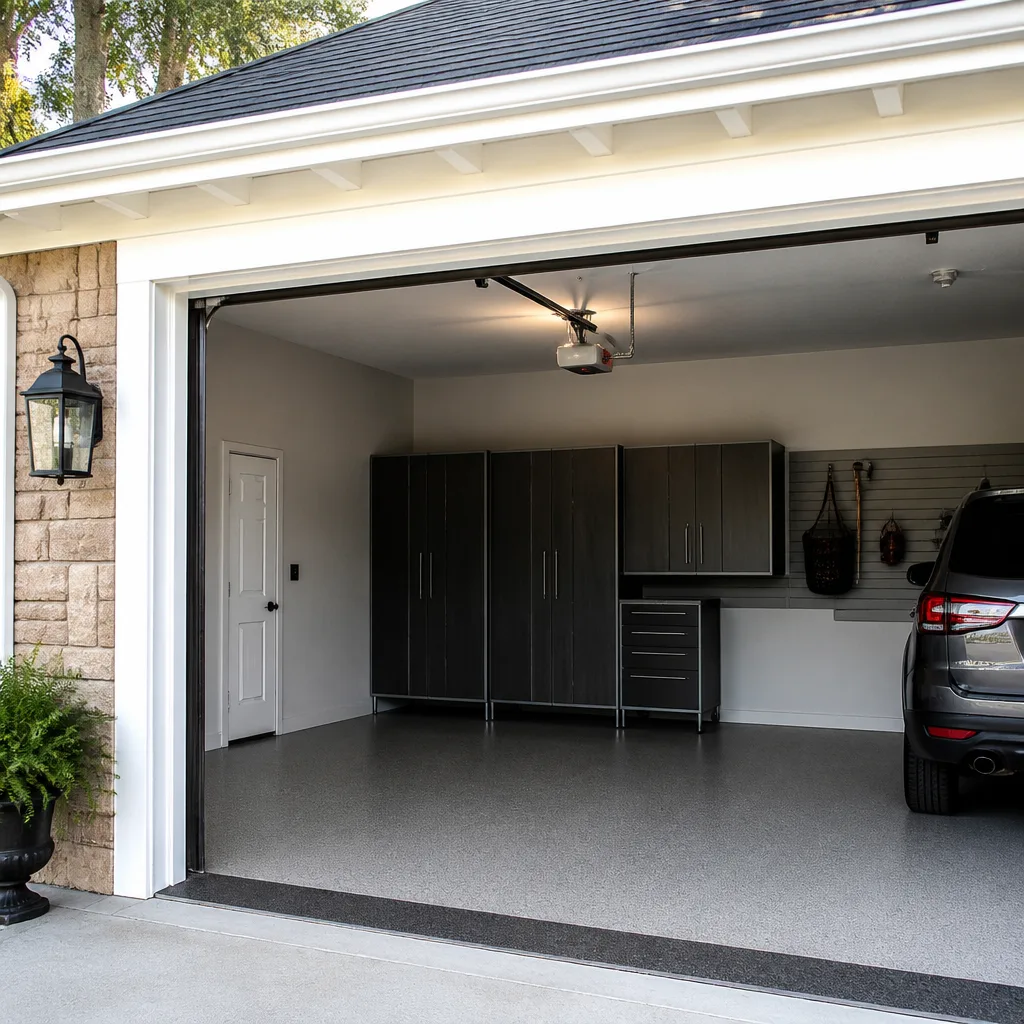 Chamberlain openers
Full 25-point door and opener safety check with every visit - springs, cables, rollers, tracks, and your LiftMaster or Chamberlain opener included
You get a price before we start. It does not change when the pro arrives.
Get your free estimateChoosing the Right Garage Door Brand: A Buyer’s Guide for Wanamaker
The brand with the highest consumer recognition in garage doors is not the brand that holds up best in Marion County’s humidity and temperature cycles. Showroom floors don’t test for a July dew point near 70 degrees, a January cold snap, or a steel panel that sweats from the inside every spring. A door and an opener live through all of it, year after year, and the brand you pick decides how much of that fight the hardware wins on its own. In this guide we’ll look at how the major door and opener brands actually perform in Indiana over a 10-15 year ownership horizon: steel gauge, insulation, finish systems, cold-weather motor behavior, Wi-Fi reliability, parts availability, and what “lifetime warranty” really covers. If you’re weighing brands in Wanamaker, this is the lens we want you to use.
Quick Answer
For most Wanamaker homes, the “best” garage door brand is the one whose steel gauge, insulation system, finish and local parts supply all fit your home’s value and how long you plan to stay. Brands like Clopay, Amarr, Wayne Dalton and Genie each have models that hold up well in central Indiana humidity and cold, but the differences show up in finish durability, opener cold-weather performance, warranty fine print, and how fast a replacement panel or part can be found. Buy on the details that survive ten Indiana winters, not on the name you recognize first.
Styles & brands we work with
- Raised-panel steel
- Carriage house
- Modern flush
- Full-view glass
- LiftMaster openers
- Chamberlain openers
Table of Contents
- Why Indiana’s Climate Changes the Brand Question
- How to Judge Steel Gauge, Insulation and Paint
- Opener Brands: Cold Weather, Wi-Fi and Parts
- Warranty Terms and What “Lifetime” Actually Covers
- Parts Availability in the Indianapolis Metro
- Matching Brand Tier to Home Value and Ownership Length
- A Step-by-Step Way to Choose a Brand
- Common Mistakes to Avoid
Why Indiana’s Climate Changes the Brand Question
A garage door is one of the few parts of a house that faces the weather on both sides at once. In Wanamaker and the rest of Marion County, that means humid summers, hard freezes in winter, and a lot of thaw-and-freeze cycling in between. Each cycle pushes a door’s steel, paint, springs and weather seals a little further. A brand that looks identical to another on a showroom floor can fall apart ten years sooner under that rhythm, and that’s the difference this guide is about.
Here’s what actually happens in a central Indiana garage over a typical year:
- Summer humidity drives moisture against the inside face of steel panels, which is where you find the rust that never shows from the driveway.
- Winter cold stiffens lubricant in hinges and rollers and tests opener motors on the coldest mornings, when a marginal opener shows it.
- Repeated freeze-thaw works on bottom seals, thresholds and painted edges, the places water sits longest.
- Spring and fall temperature swings expand and contract steel, stressing the finish system and any field-applied paint.
None of these are dramatic on their own. Over ten to fifteen years they decide whether a door still closes cleanly and looks decent from the street. Brands that build for northern-tier weather – heavier steel, factory-baked finishes, foam-injected cores – tend to handle this better than value-tier doors designed for mild climates. If you’re comparing two doors at the same price, ask which one is engineered for a cold-winter market. In our experience, that single question narrows the field fast for Wanamaker homes.
How to Judge Steel Gauge, Insulation and Paint
Steel gauge, insulation type and finish system are the three things that most reliably separate a door that lasts from a door that fades. Lower gauge numbers mean thicker steel. A 24-gauge door is very light and dents easily; 27-gauge is thin; you want to be in the 24-to-27 gauge range on the panel and heavier at the frame. Insulation matters more in Indiana than a showroom will ever suggest, because the door is the largest heat path on that wall.
When you compare door brands, use these questions:
- What gauge is the steel, and is it heavier at the edges? A door that looks solid in the middle often has thin edges that flex, dent and let moisture in.
- Is the insulation foam-injected or a board panel? Both work; the injected core tends to hold performance longer because there are no gaps that open up as the door cycles.
- Is the paint factory-baked? Factory-applied, baked-on finishes resist humidity and UV far better than paint applied later. Ask specifically.
- Does the door have a steel skin on both sides? Skin on the street side only is common on value doors; a second skin on the inside face helps with humidity from within the garage.
- What’s the warranty on the finish itself? Finish warranties vary widely between brands and are worth more in a humid climate than the number on the brochure would suggest.
Clopay offers models across all price tiers, from basic steel to insulated premium doors, so the brand name alone tells you less than the model line does. Amarr is known for structured tiering – you can trace the difference between base, mid and premium lines by steel weight and insulation. Wayne Dalton’s lineup includes both insulated steel and specialty designs, which means asking which model, not which brand, gets you to a real answer. Get the model number before you compare anything else.
Opener Brands: Cold Weather, Wi-Fi and Parts
An opener’s real test in Wanamaker is the coldest morning of the year, when stiff hinges, cold grease and a heavy door meet a motor that was fine all summer. Cold-weather performance is about motor torque, gear material and how the opener handles resistance. Belt drives run quieter than chain drives, but the belt material and the tensioning system matter more in a freeze than most shoppers realize. If you’ve already got an opener acting tired on cold mornings, that’s a sign to look at garage door opener repair before the motor burns out.
Wi-Fi reliability is its own test in the Indianapolis metro. A strong router doesn’t guarantee a strong opener connection – the opener’s antenna and firmware handle that. When you shop, ask:
- Which app and Wi-Fi module does this opener use? Some brands are more reliable here than others.
- Does the firmware get updates, and how? Legacy mechanical systems may have no connected features, and that’s fine, but know what you’re buying.
- Is the battery backup standard or an add-on? A door that can’t open during an outage is a safety issue; ask what’s included.
- Where do the parts come from locally? Belt, gear and sensor parts for LiftMaster, Chamberlain, Craftsman and Genie are generally available in the metro, which shortens repair time.
We’re factory-familiar with eight major opener and door brands, and having worked on legacy mechanical units and modern Wi-Fi-integrated openers side by side, the honest conclusion is this: brand matters less than model and installation quality. A well-installed mid-tier opener outperforms a premium opener installed with a badly balanced door. If you’re installing new, budget for a proper balance and alignment check on the door itself – the opener carries less load when the door is set up right. For full replacement, our garage door installation team can help match an opener to the door weight and model. For the broader picture of what these brands mean for door repairs, our garage door repair crew works on all of them.
Warranty Terms and What “Lifetime” Actually Covers
“Lifetime warranty” almost never means what homeowners think it means. On most brands, it’s a limited warranty tied to the original purchaser, with a list of parts covered and a separate schedule for labor, finish, and springs. Springs have their own short warranty because they’re a wear item – typically a stated cycle count, not a year count, and those cycles get used up by daily open-and-close. Understanding the fine print before you buy saves you a nasty surprise five years in.
Here’s what to look at in any warranty document:
- Who is covered. Many warranties only cover the original purchaser and don’t transfer if you sell the home.
- What’s excluded. Springs, rollers, hinges, weather seals and sensors are often on separate, shorter schedules.
- Cycle limits on springs. A spring rated for a certain number of cycles is not a lifetime part, no matter what the headline says.
- Finish warranty length. Paint and finish warranties range widely between brands and are the most likely to matter in Indiana’s humidity.
- Whether installation voids the warranty. Some brands require professional installation to keep the warranty intact – ask before you commit.
Warranty fine print is also why the parts source matters. If a panel or a spring needs replacing under warranty and there’s a months-long lead time, the warranty doesn’t help you close your door in the meantime. Parts on hand, not on order, is the difference between a warranty repair and a stalled garage. When a spring fails, our dedicated Garage Door Repair Wanamaker team handles it as a specialist job – springs are dangerous, and they should never be a weekend DIY project.
Parts Availability in the Indianapolis Metro
Parts availability is the most underrated brand factor for Wanamaker homeowners. The brand with the best marketing does not always have the strongest regional distributor network, and a door that needs a specific panel or opener part with a six-week lead time puts a working garage on hold. Brands with deep regional distribution in Indiana tend to be serviceable quickly, because the independent local professionals doing the work can find parts without waiting on a special order from a distant warehouse.
To judge a brand’s local parts strength, ask these questions before you buy:
- Is there a distributor within driving distance? Fewer than a few hours is a good sign. Cross-state parts runs take time.
- Are panels, hinges and rollers stocked as standard parts? Common parts get replaced fast; rare ones get ordered and wait.
- Do the opener parts (belt, gear, sensors) come from the same distributor? Split sources slow the repair.
- Is the model a long-running line, or a limited edition? Limited editions can mean limited parts.
LiftMaster and Chamberlain parts are typically available through the same distributor network in the Indianapolis area; Craftsman and Genie parts are broadly carried as well. Door panels and springs vary widely by model, so ask the specific model question, not the brand question. When we supply parts alongside service, the goal is simple: a repair that’s finished in one visit, not one visit plus a wait. That’s a real advantage of choosing a single source for both labor and parts, and it’s part of why we stock and supply garage door parts directly.
Matching Brand Tier to Home Value and Ownership Length
Premium brand tiers don’t pay back the same way everywhere. A high-end insulated door in a Wanamaker home where every neighbor has a standard steel door can be money in the wrong place – the door’s value is partly in matching the home, not outclassing it. Conversely, a basic door on a home with a nice facade undercuts the house’s curb appeal. The math depends on how long you’ll stay and what the home is worth relative to the neighborhood.
The decision usually comes down to three profiles:
- Staying under five years: the basic-to-mid tier is usually the right call. Focus on the parts and finish that keep the door working and looking clean, not the insulation premium.
- Staying 5-15 years: mid tier, with insulation rated for a cold-winter market. This is where the warranty, finish and steel gauge combos pay for themselves in lower maintenance.
- Staying 15+ years: the premium tier starts to make sense, because you’ll absorb the shorter-life components (springs, rollers, opener) at least once, and the premium door’s finish and insulation tend to hold up better over that span.
The home-value ceiling matters just as much. A premium door on a modest home won’t recover its price at resale in most Wanamaker neighborhoods. A mid-tier door on a high-value home is money well spent. Look at what the top homes on your street have, then aim at that level. One thing that rarely changes: the parts and service side tends to be the same regardless of tier, so a good brand with strong local parts supply saves you time whether you spend $1,000 or $4,000 on the door.
A Step-by-Step Way to Choose a Brand
Once you’ve absorbed the details above, choosing a garage door brand becomes a short, practical sequence. Set the sequence before you start comparing, so you don’t get pulled around by whatever’s on the showroom floor.
- Decide the tier by ownership length and home value. Write down your stay horizon and compare your home to the top of the neighborhood. That’s your tier.
- Shortlist two or three brands and get the exact model numbers. Brand names alone don’t tell you whether the model is right. Model numbers do.
- Compare steel gauge and frame weight. Aim for the heavier end of the range in the tier you can afford, especially at the door’s edges.
- Compare insulation and finish warranty terms side by side. Ask for the written warranties before you sign anything.
- Ask about parts availability for the exact model. Panels, springs, rollers and opener parts – ask where they come from and how long they take.
- Match an opener to the door’s weight and your Wi-Fi setup. Don’t buy the opener on brand alone. Match it to the door and the home.
- Get a written estimate before work starts. The written quote is the price. Confirm it before any installation begins, and confirm the brand and model in writing.
That sequence handles most of the brand decision before a technician sees your door. At the same time, in our experience the balance and installation quality can matter as much as the model number, and those parts aren’t visible on a spec sheet. Any brand recommendation is only as good as the installation that backs it.
Common Mistakes to Avoid
- Buying on consumer recognition alone. The brand with the most ads isn’t automatically the one that holds up in Indiana’s humidity, and a well-known name can be the wrong tier for your home.
- Comparing brand names instead of model numbers. Two doors from the same brand can differ by years in steel gauge and finish. Always compare the model, not the marque.
- Treating “lifetime warranty” as whole-door coverage. Springs, finish and labor often sit on separate, shorter schedules. Read the fine print before the door’s on your wall.
- Ignoring local parts availability until you need a panel. A beautiful door that takes weeks to source parts for is a problem in Wanamaker just as anywhere else in Marion County. Check parts strength before you commit.
- Choosing the opener last. A great opener on a badly balanced door fails early. Match opener to door weight, and don’t buy a new opener to fix a worn door.
- Overbuying for a modest home. A premium door on a home that sits at the neighborhood average won’t repay itself. Aim at the top of your street, not the top of the catalog.
- Skipping the written estimate. A verbal price is not a price. Ask for it in writing, with the brand and model named.
See the difference
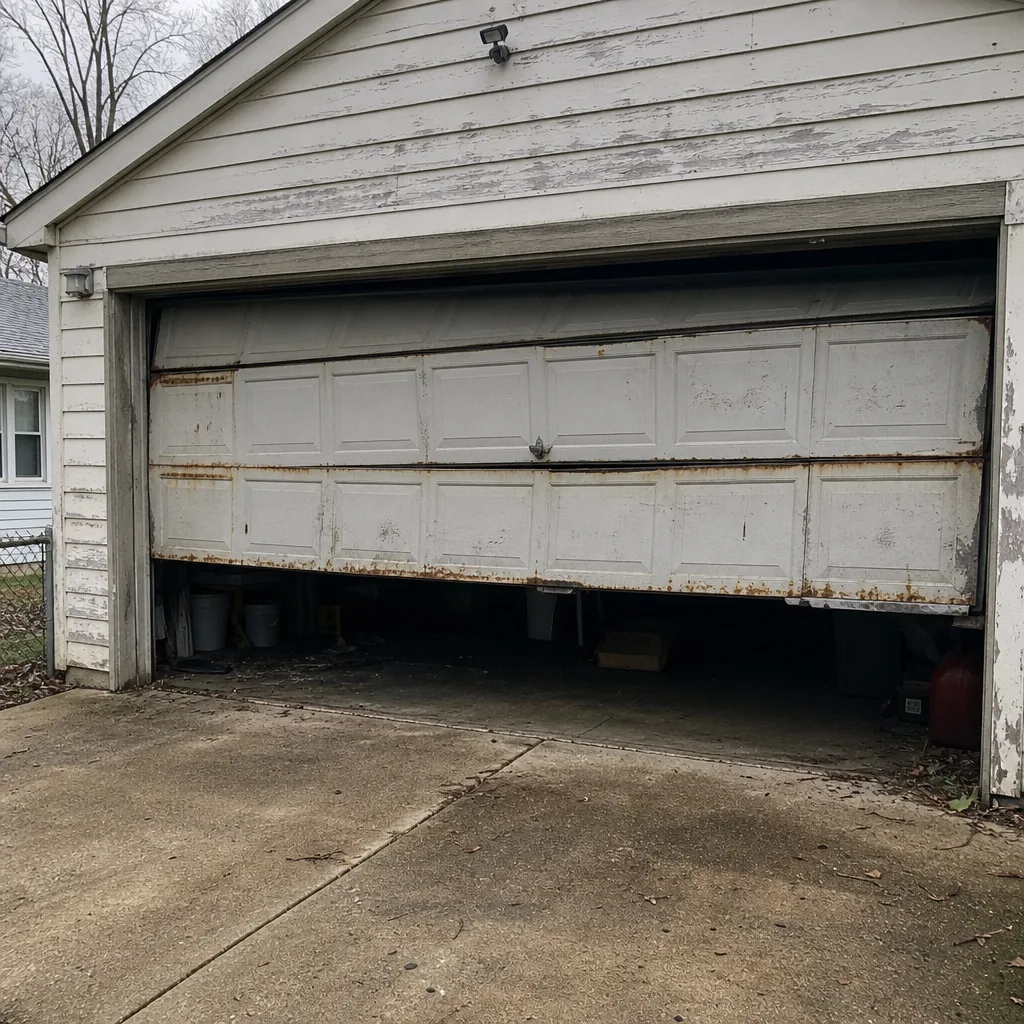 Before
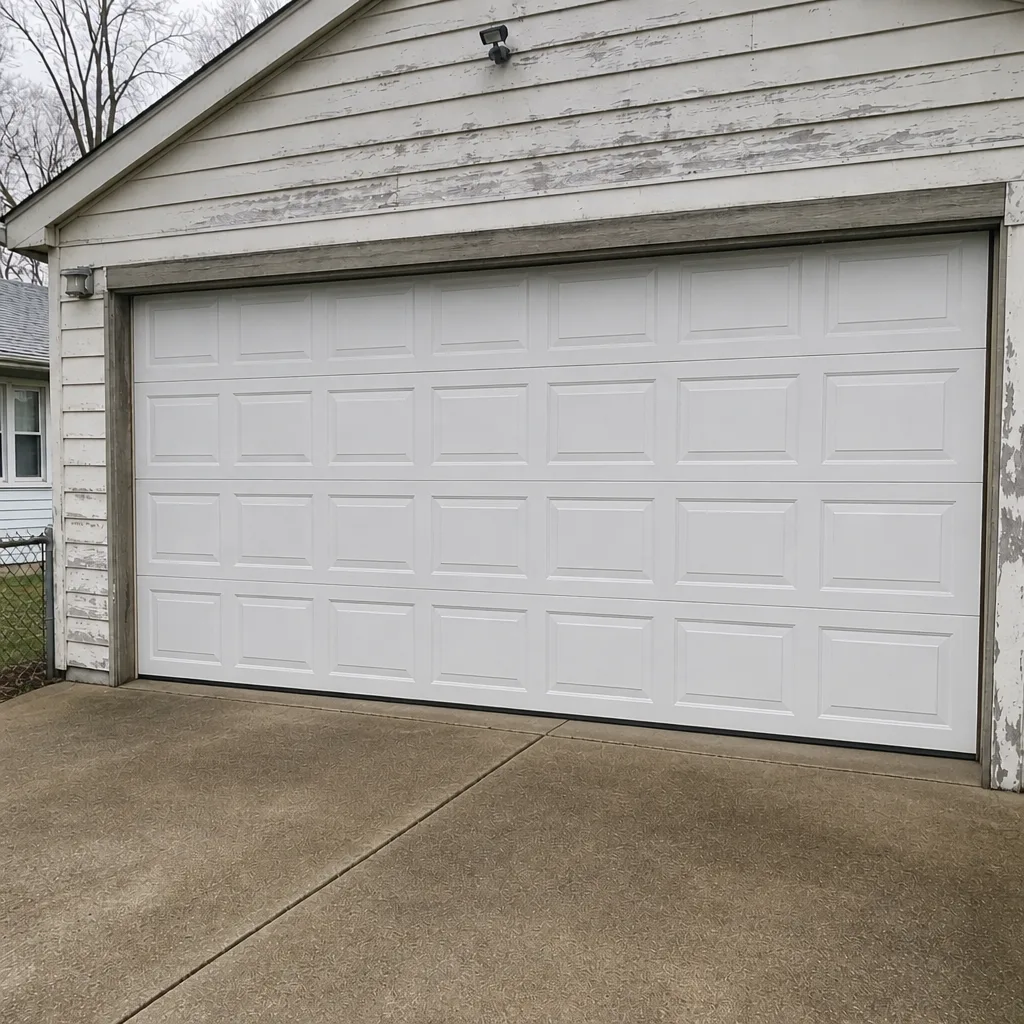 After
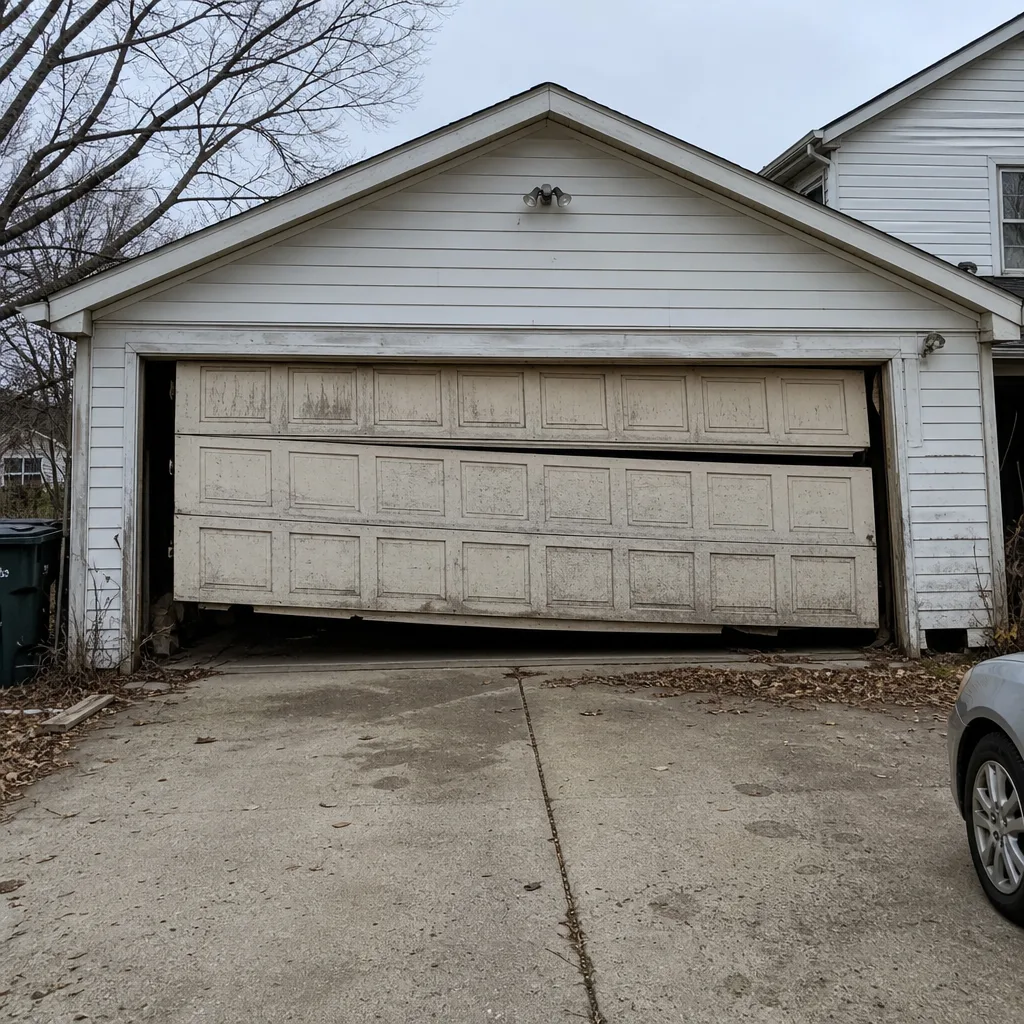 Before
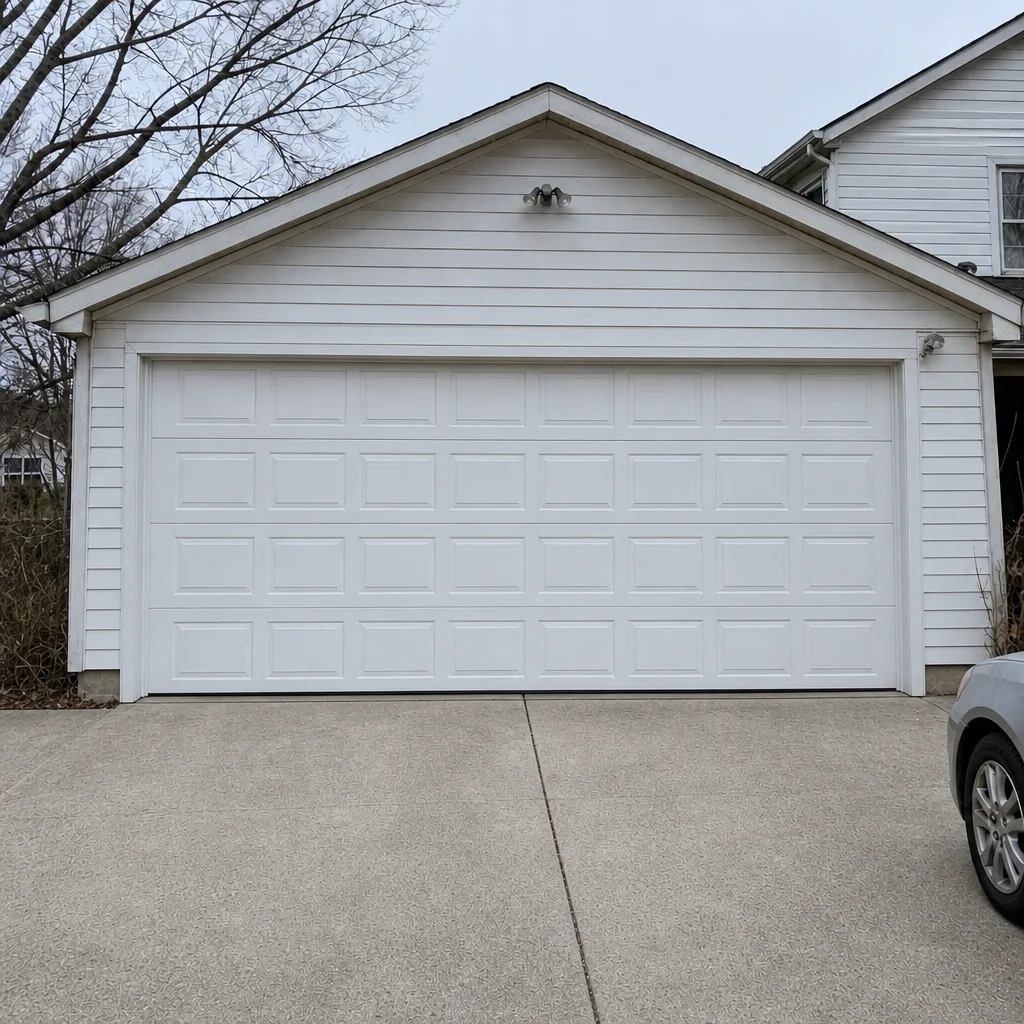 After
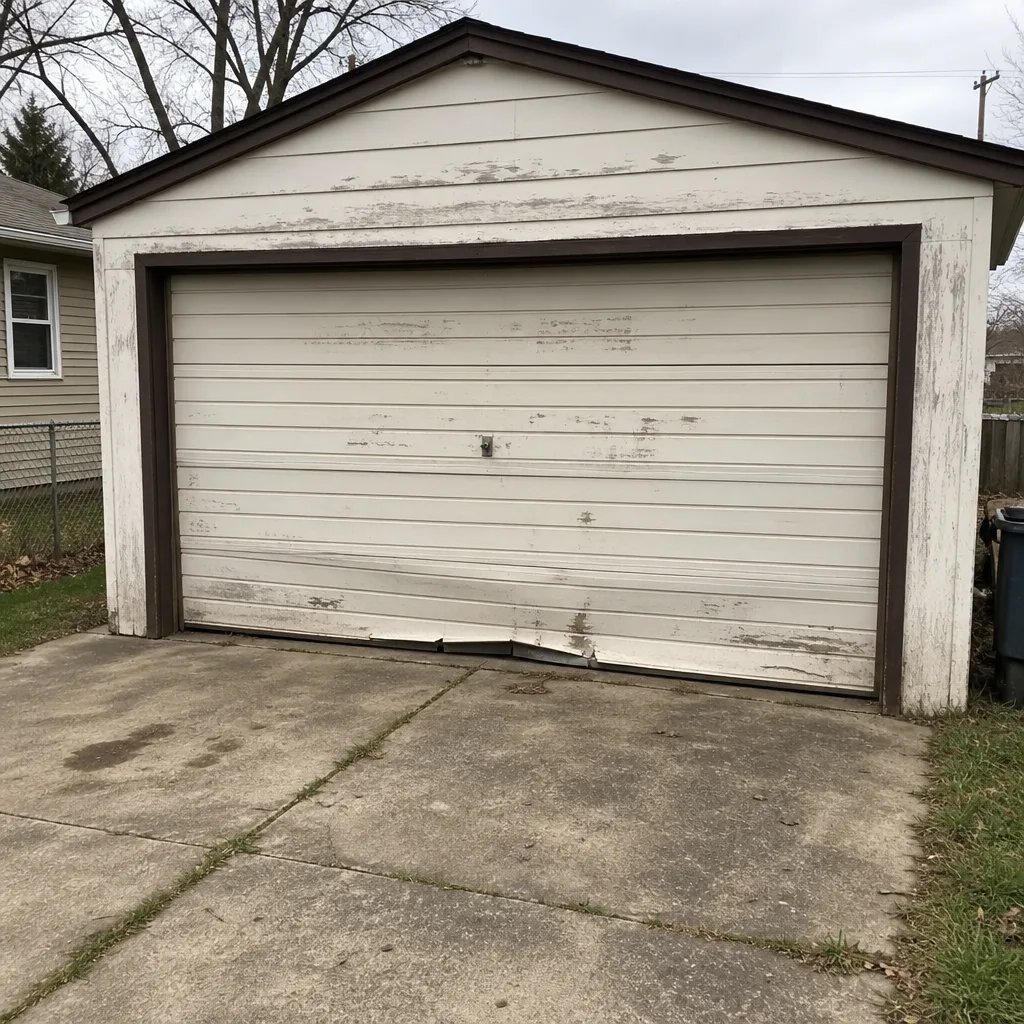 Before
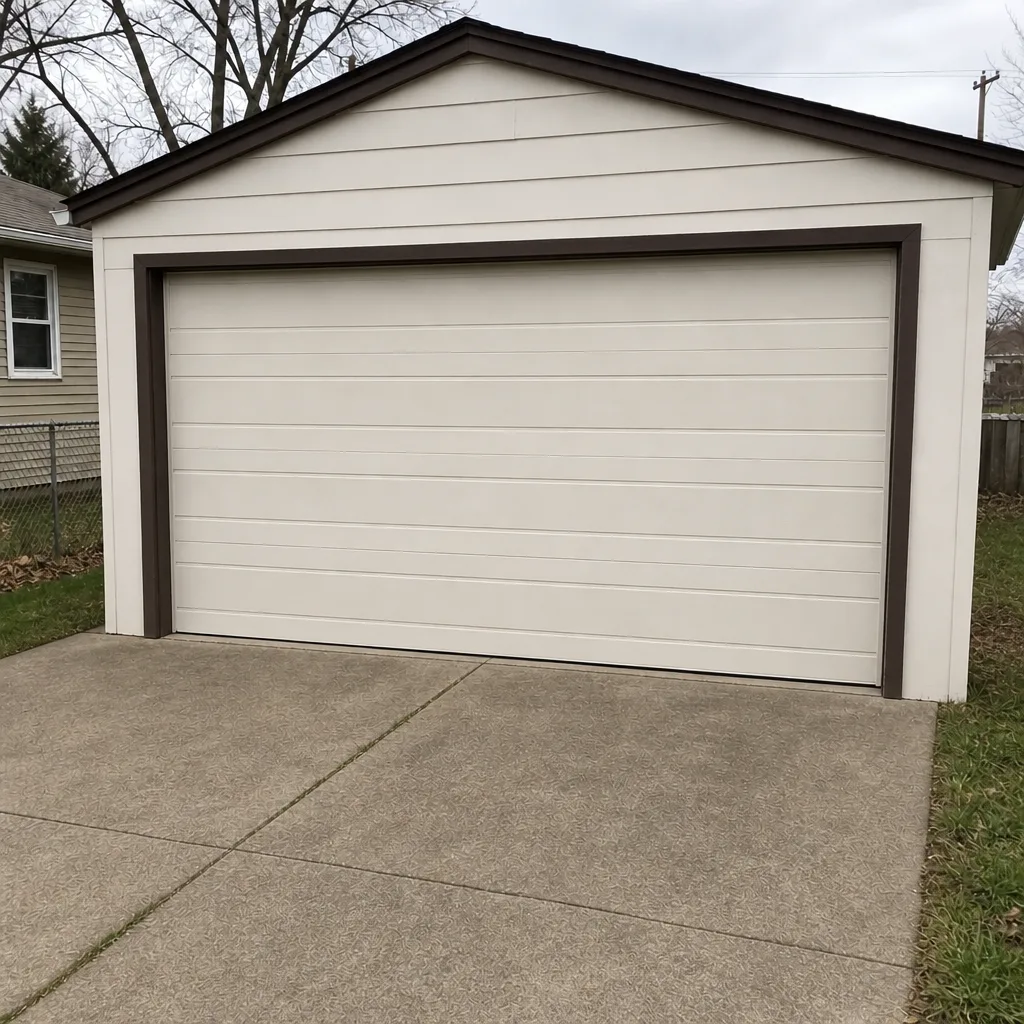 After
When to Call a Professional
Some brand comparisons are best settled by a technician who can see the door, the opener and the frame in person. Call us when:
- The door is unbalanced, hard to lift or won’t stay closed.
- A spring has broken or is making unusual noise – springs are one of the most dangerous components in a home, and they should always be handled by a trained professional.
- An opener runs but the door doesn’t move, reverses oddly or loses its Wi-Fi connection.
- You’re installing a new door and want the brand, model and opener matched to your home and indoor Wi-Fi setup.
- You’re replacing a panel and want to confirm parts are actually available before committing.
Garage Door Repair Wanamaker offers free estimates in Wanamaker. Call (855) 593-3820. We answer 24/7, with fast dispatch from 7am to 7pm, Sunday through Friday. Our technicians have up to 14 years of experience and work with the brand you already have.
Frequently Asked Questions
There isn’t one “best” brand – the right brand depends on your home value, how long you plan to stay, and the door model within that brand. In Indiana’s humid summers and cold winters, focus on steel gauge, insulation type and the finish warranty first. A mid-tier model from Clopay, Amarr or Wayne Dalton often outperforms a premium model installed poorly. Call (855) 593-3820 for a free estimate – we’ll help match a brand to your home.
Yes, and it matters most on the coldest mornings when the door, hinges and opener are all fighting the cold. Motors with stronger torque, heavier steel and factory-baked finishes hold up better through central Indiana’s freeze-thaw cycles than value-tier doors. Ask for the model number and check the spec for a cold-winter market before you commit. For repair questions on any brand, give us a call at (855) 593-3820.
On most brands, a “lifetime” spring warranty covers a limited parts replacement under a stated cycle count, not the whole door and not the labor. Springs are a wear item, and every open and close uses up cycles. Ask for the warranty document and check whether it covers springs at all, and whether it transfers if you sell the home. Call (855) 593-3820 for a free estimate if a spring has failed.
Ask the dealer two questions: which regional distributor carries the parts, and how fast panels and opener parts can be sourced from that distributor. Brands with strong regional networks in Indiana are usually the fastest to repair. Common parts like LiftMaster, Chamberlain, Craftsman and Genie opener components are broadly stocked; door panels and springs vary by model. Our team at Garage Door Repair Wanamaker supplies parts directly, so you’re not stuck waiting on a back-order. Call (855) 593-3820 for a free estimate.
Not necessarily. Match the opener to the door’s weight and your Wi-Fi setup, and choose the opener on performance rather than brand loyalty. A well-installed mid-tier opener on a balanced door outperforms a premium opener on a door that’s off-balance. Wi-Fi reliability differs more by model and firmware than by brand. For a free estimate on opener repair or a new opener, call (855) 593-3820. We answer 24/7, with fast dispatch from 7am to 7pm, Sunday through Friday.
It can be, if you’re staying in the home 15 years or more and the home is at or above the top of the neighborhood. In that case the insulation, finish and steel gauge in a premium model usually pay back over that horizon. For shorter ownership or a modest home, a mid-tier brand is usually the better value. Call (855) 593-3820 for a free estimate and we’ll talk through the right tier for your situation.
The Bottom Line
The right garage door brand is the one whose steel gauge, insulation, finish warranty, opener cold-weather performance and local parts availability all fit your home value and how long you’ll stay. Clopay, Amarr, Wayne Dalton and Genie all have models that hold up in Wanamaker’s humid summers and cold winters – but the model inside the brand is what matters, not the logo. Get the model number, ask about parts availability, read the warranty fine print, and match the tier to your home and stay horizon. Do that, and the brand you choose is one you’ll be happy with in ten Indiana winters. When you’re ready, call (855) 593-3820. We answer 24/7. Fast dispatch from 7am to 7pm, Sunday through Friday.
Written by the team at Garage Door Repair Wanamaker.