
Last updated November 20, 2026
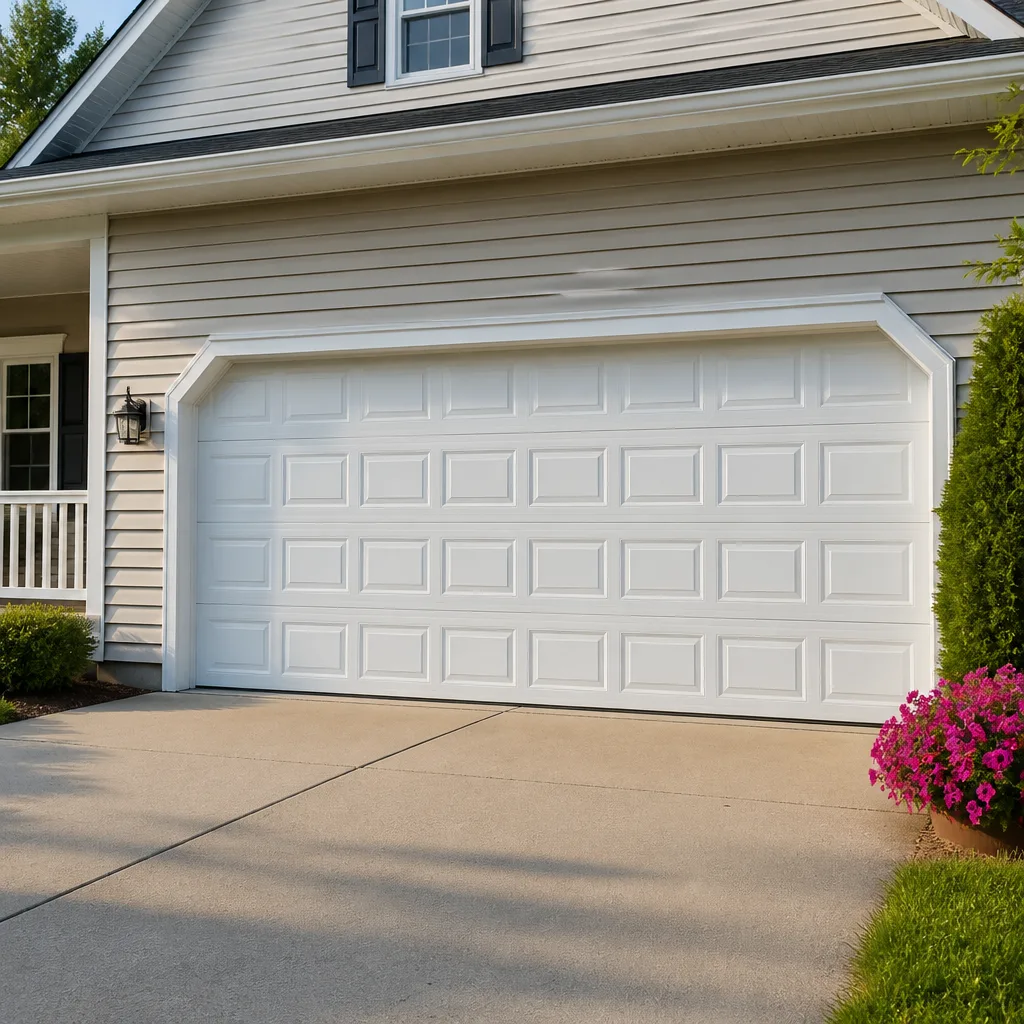 Raised-panel steel
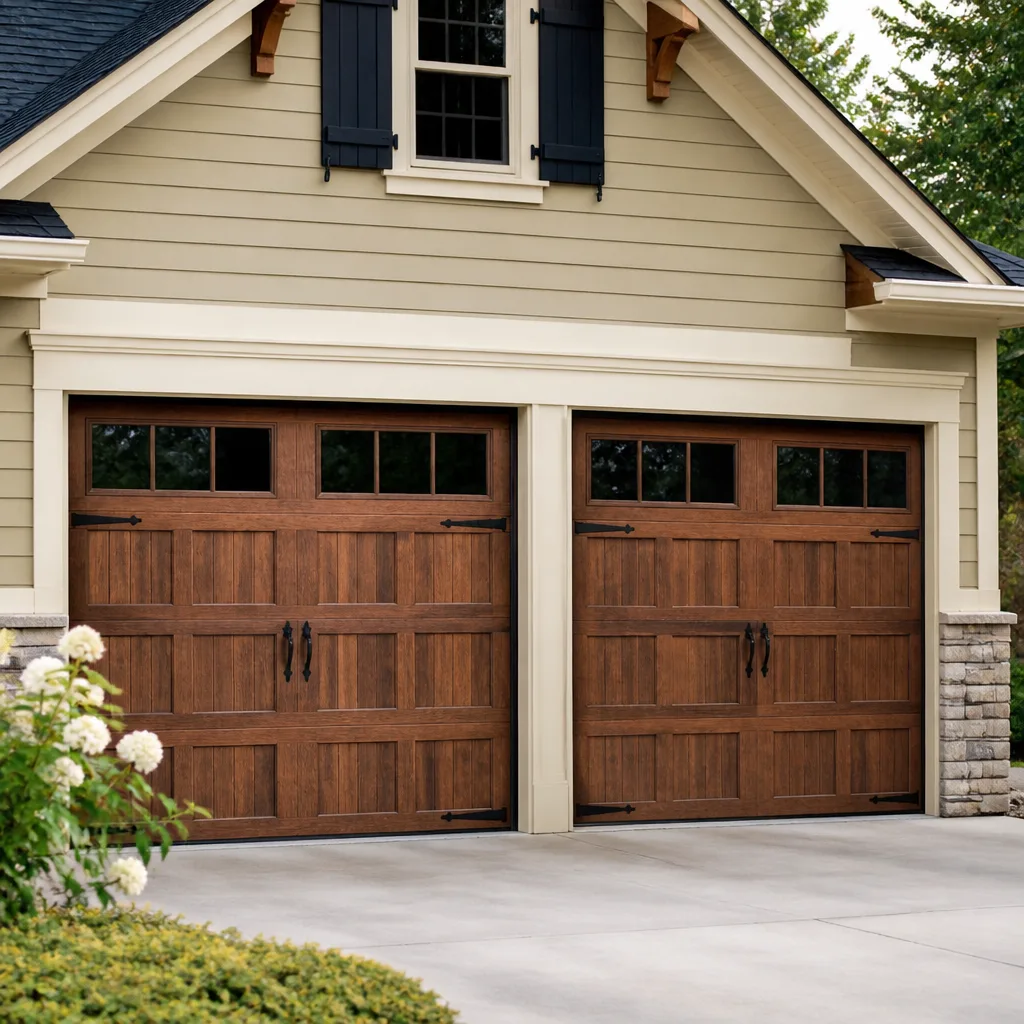 Carriage house
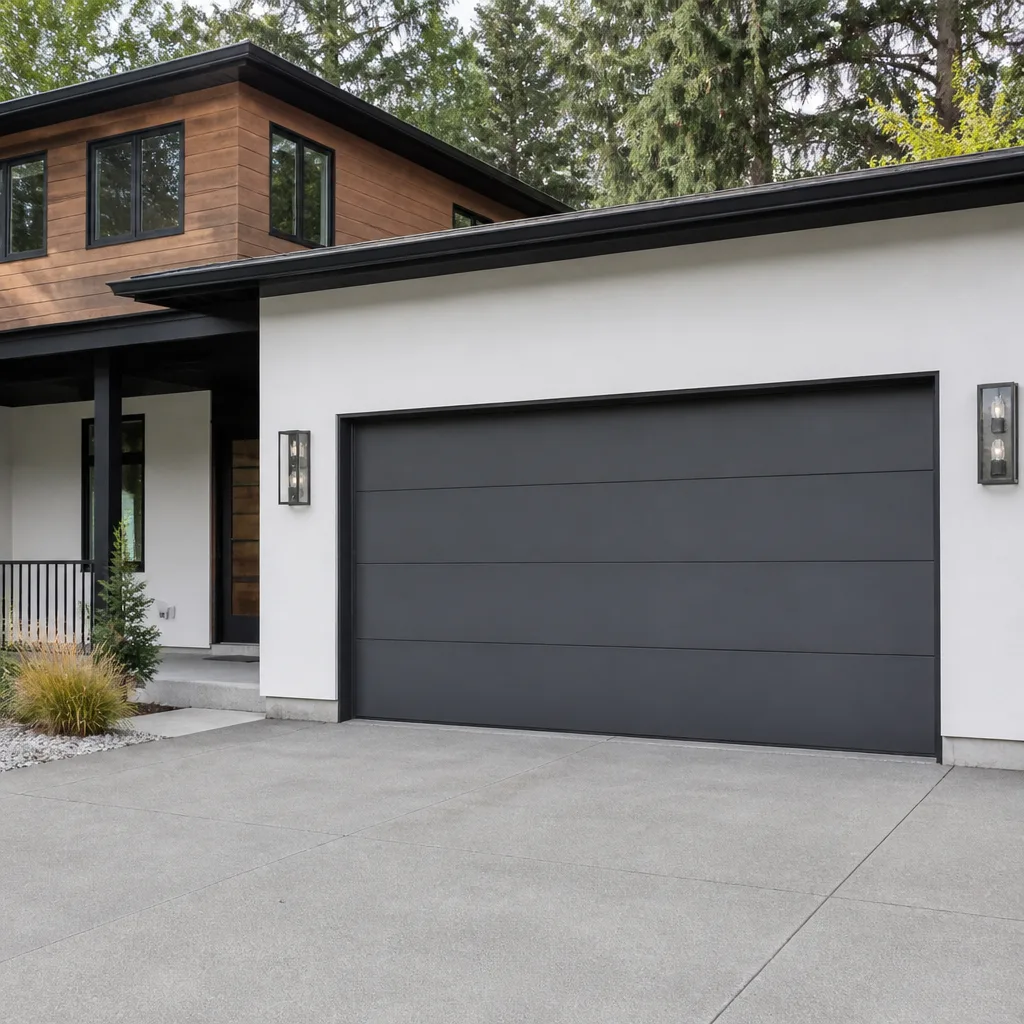 Modern flush
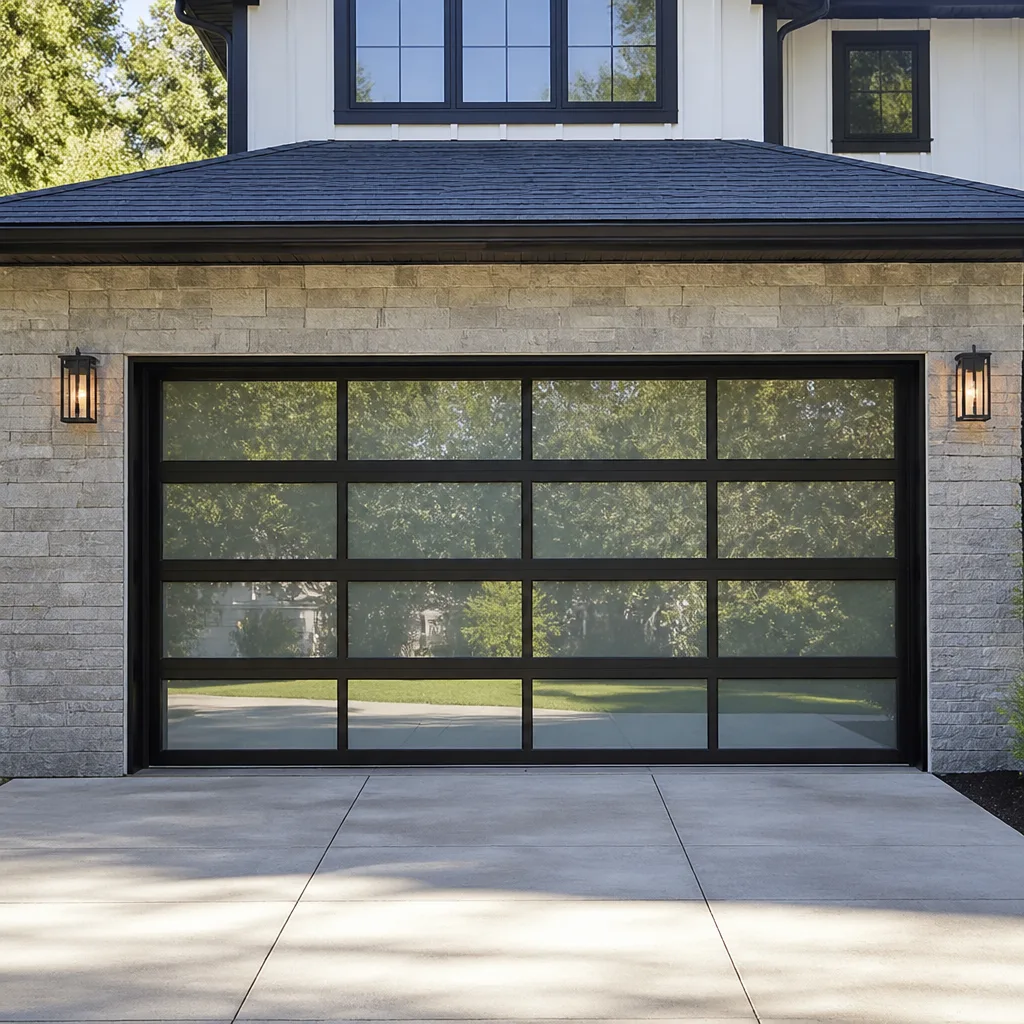 Full-view glass
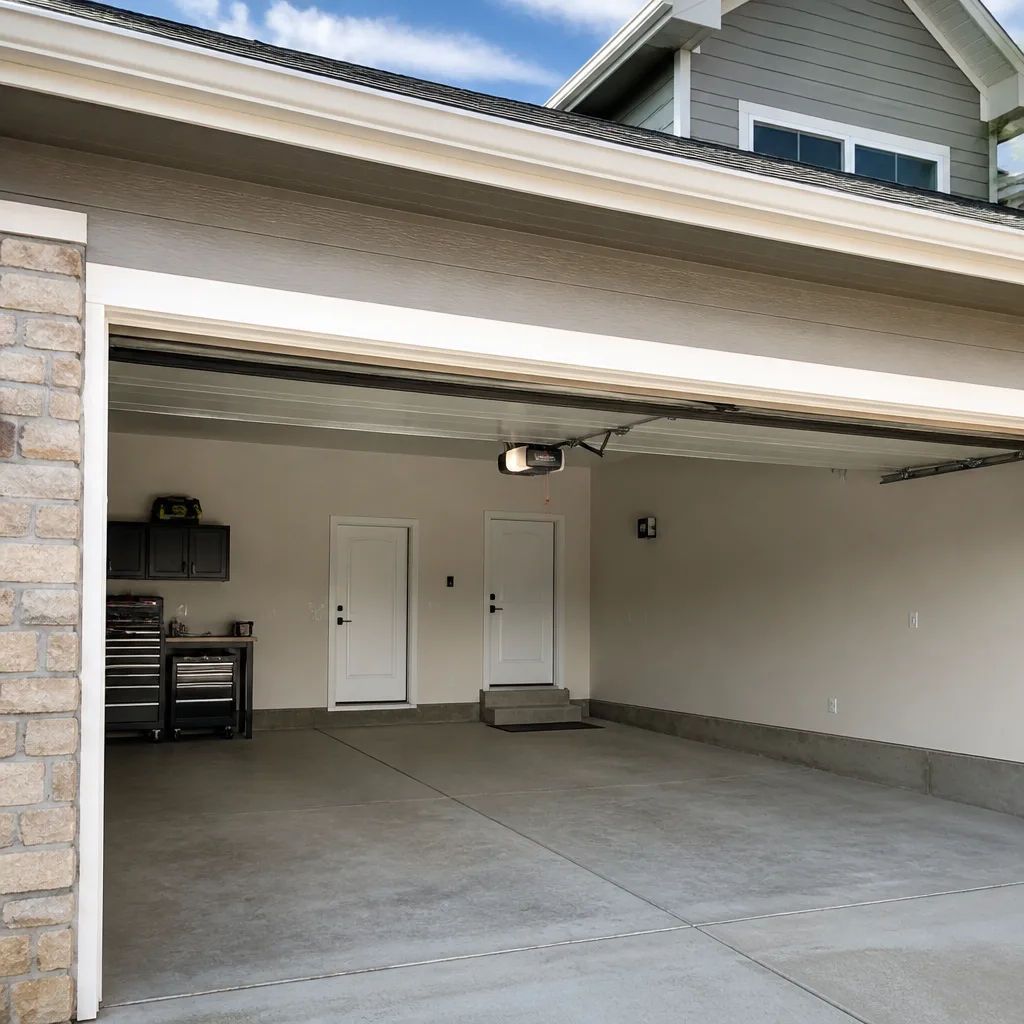 LiftMaster openers
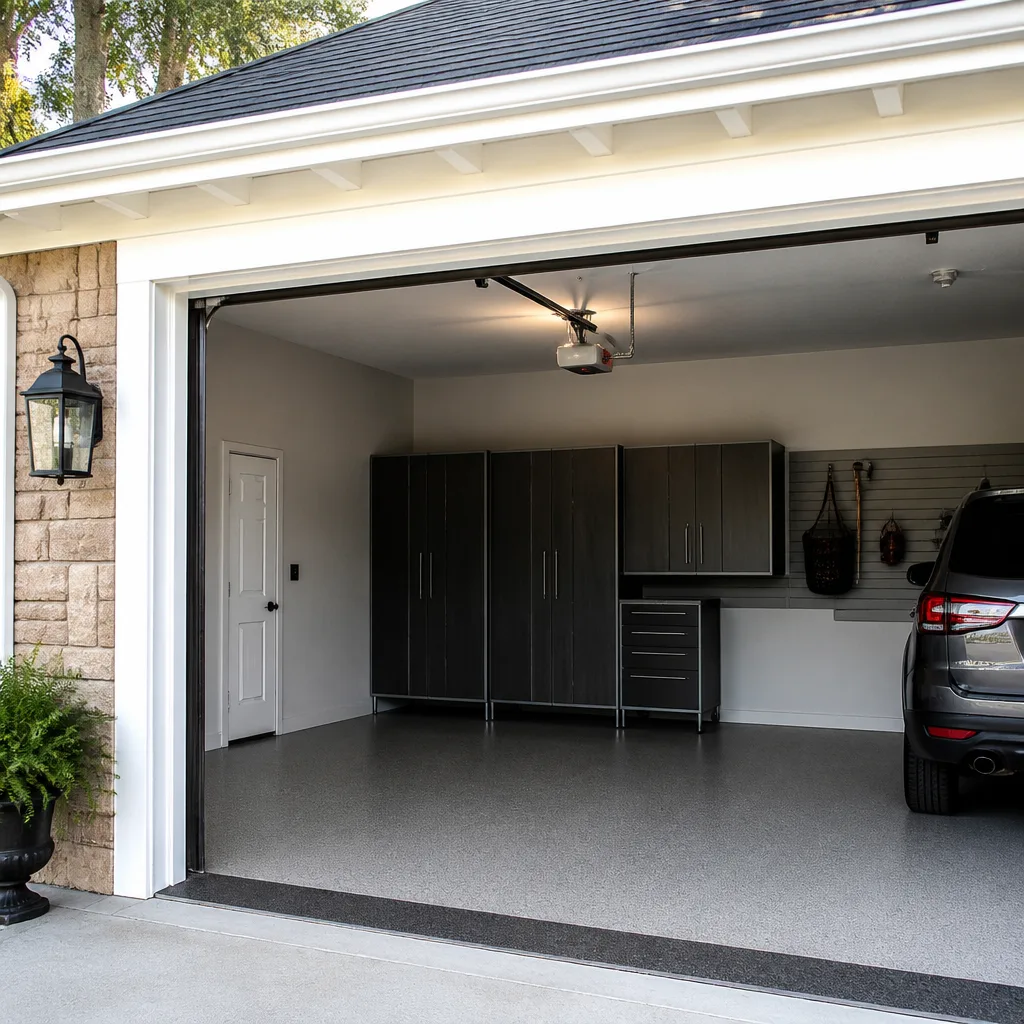 Chamberlain openers
Full 25-point door and opener safety check with every visit - springs, cables, rollers, tracks, and your LiftMaster or Chamberlain opener included
You get a price before we start. It does not change when the pro arrives.
Get your free estimateThe Complete Guide to Garage Doors in Wanamaker
Most garage door advice you’ll read online was written for a national audience, and it shows. It talks about “seasonal maintenance” without naming the season, warns about “harsh weather” without saying which weather, and treats every garage door in every state as if it were the same door. Wanamaker doesn’t work that way. A door here absorbs a temperature swing from January to July of more than 100°F, and the clay-heavy soil under Marion County puts specific stresses on tracks and anchors that a guide written in Arizona or Florida misses completely. This guide treats Wanamaker as the subject, not an afterthought. You’ll learn how freeze-thaw cycles affect your springs, which materials actually hold up, how to read your door’s age from its parts, and how to describe a problem accurately when you call a specialist.
Quick Answer
A garage door in Wanamaker needs service roughly every 12 to 18 months, and springs are the part that fails first because Indiana’s freeze-thaw cycles work them harder than most climates do. Most problems fall into five categories: spring failure, opener failure, track or roller wear, bottom seal damage, and panel impact. If you can name the part making the noise, you’re already ahead of most callers. Garage doors are all we do, and we work on the brand you already have.
Styles & brands we work with
- Raised-panel steel
- Carriage house
- Modern flush
- Full-view glass
- LiftMaster openers
- Chamberlain openers
Table of Contents
- How Wanamaker’s Climate Affects Your Garage Door
- Part-by-Part Anatomy of a Garage Door
- Freeze-Thaw Cycles and Torsion Spring Tension
- Which Door Materials Hold Up in Marion County
- Single-Car vs. Double-Car Door Physics
- How to Read Your Door’s Age and Remaining Life
- Opener Brands and What They Tell You
- What Garage Door Work Costs in Wanamaker
How Wanamaker’s Climate Affects Your Garage Door
Wanamaker sits in central Indiana, which means four genuinely distinct seasons and a lot of movement between them. Summer humidity hangs in the 70s and 80s percent for weeks at a stretch. Winter brings repeated freeze-thaw cycles, where the ground and the air move above and below 32°F multiple times in a single week. Your garage door is one of the few things on the house that experiences all of it directly, every day, with no insulation from a heated interior.
Here’s what that does to the components:
- Steel panels: expand in July heat and contract in January cold. That movement works panel seams and can eventually loosen fasteners. It’s a slow effect, but it’s cumulative.
- Torsion springs: steel that’s constantly flexing loses tension faster in a wide temperature band than in a narrow one. A spring rated for 10,000 cycles in a mild climate sees more real-world stress here.
- Bottom seals: rubber and vinyl seals get stiff in cold and soft in heat. In Wanamaker they cycle between the two repeatedly. Adhesion to a concrete floor also suffers when that floor sweats through summer humidity and heaves through winter frost.
- Tracks: metal tracks anchored into a garage slab that’s moving with clay soil can go slightly out of plumb over a season. You’ll hear it before you see it.
- Wood and composite components: humidity drives swelling and shrinking. Paint and sealant are doing more work here than they would in a drier climate.
The clay-heavy soil around Marion County makes the ground movement worse than in sandier areas. Clay holds water, expands when it’s wet, and contracts when it dries. That movement transfers into slab edges and door frames. If you’ve noticed your bottom seal leaving a gap in one spot and sealing tight in another, that’s often the ground talking, not the seal.
Road salt exposure matters too, but not in the way coastal guides describe it. There’s no salt air in central Indiana. What you do get is salt tracked onto the garage apron and floor from winter roads, which finds its way onto bottom fixtures, hinges, and the lowest panel’s hardware. Rinsing the door’s lower hardware and the garage apron after a salt-heavy stretch is a genuinely useful habit here.
Part-by-Part Anatomy of a Garage Door
Most homeowners call with “my door is broken.” That’s honest, but it doesn’t help anyone diagnose fast. If you can name the part, the conversation gets shorter and the fix gets faster. Here’s the anatomy, in the order we’d walk you through it.
- Panels (sections): the horizontal slabs that make up the door face. Each is typically 21 to 24 inches tall. A bent or cracked panel is a panel replacement, not a whole-door replacement.
- Hinges: the plates between panels that let them pivot as the door curves into the track. The bottom hinge carries the most load and wears first.
- Rollers: the wheels on stems that ride inside the track. Nylon rollers run quieter than steel; steel lasts longer but is louder.
- Track: the vertical and horizontal rails the door follows. Vertical track alignment governs how smoothly the door travels.
- Torsion springs: the coiled springs on the horizontal shaft above the door (or extension springs along the sides on older doors). These counterbalance the door’s weight. This is the part that matters most.
- Cables: steel cables that run from the bottom corners up to the drums on the torsion shaft. They carry the spring tension down to the door.
- Drums: the spooled wheels at each end of the torsion shaft that the cables wind around.
- Bottom seal (weatherstrip): the rubber or vinyl strip along the bottom panel that closes the gap with the floor.
- Bottom bracket: the metal corner piece holding the cable end and the bottom roller. It’s under tension whenever the door is closed.
- Opener: the motor and rail, along with the travel limits, force settings, safety sensors, and any smart or WiFi module if the unit has one.
Being able to say “the cable on the left side is slack and the door is crooked” is a completely different call than “the door is broken.” One of those gets you a diagnosis on the first visit almost every time. If the door still opens but the motor runs without moving it, the problem is likely the opener’s drive gear, the trolley, or the emergency release – and that’s garage door opener repair territory rather than a door problem.
Freeze-Thaw Cycles and Torsion Spring Tension
Springs are the hardest-working part on a garage door and the most dangerous to work on. A torsion spring holds the door’s full weight plus some margin, and it’s under that tension even when the door is sitting closed and quiet. If a spring ever lets go, it releases all of that stored energy in a fraction of a second with a sharp report. That’s why spring work is never a homeowner job, and it’s why we treat it as its own dedicated service rather than a generic repair.
Here’s how Wanamaker’s winters change the picture. Torsion springs are rated in cycles, and a cycle is one open-and-close. The tension in the spring rises as it winds. On a cold January morning when the metal has contracted and stiffened, opening the door puts more load through the spring than the same opening in July. Add the freeze-thaw cycle between warm days and freezing nights, and the spring isn’t just cycling – it’s cycling under a temperature band that stresses it harder than the same part in a mild climate.
What you might notice:
- The door feels heavier when you lift it with the opener disconnected (test this with the door fully closed and locked out of the opener, and don’t stand under it).
- The door opens partway and stops, or reverses for no apparent reason, because the opener is fighting the spring.
- A loud bang from the garage followed by a door that won’t open at all – that’s a broken spring, and it’s not safe to keep running the opener.
- Visible gap in the coil, or two springs that no longer look identical. A pair should be replaced together.
When it’s a pair, budget for a pair. A spring replacement price quoted for a single spring roughly doubles when you need a matched pair, because a pair should be replaced at the same time so the door stays balanced. Coils that are mismatched in age put uneven force on the torsion shaft and wear the drums and cables faster.
A related cold-weather problem is bottom seal adhesion. When the floor is cold and dry, adhesive bonds poorly. When it’s warm and humid, the same seal can creep. If your seal is pulling away in one spot, get it re-seated or replaced before the cold gets into it – a seal that lets air and moisture past puts a lot of moisture on the door’s bottom panel and hardware. If the whole door is struggling, garage door repair is the first call.
Which Door Materials Hold Up in Marion County
There’s no single best material. There’s a best material for your lot, your budget, and how much maintenance you actually want to do. In Wanamaker, humidity, road salt tracked onto the floor, and the freeze-thaw cycle are the three factors that matter most. Here’s how the main options compare.
- Steel: the most common choice here, and for good reason. Steel is dimensionally stable, handles the temperature swing well, and holds paint. Gauge matters more than brand: 24-gauge is standard, 25-gauge is lighter, and 27-gauge is heavier and has more impact resistance. If you want a door that shrugs off a bump from a car or a lawn mower, go up the gauge scale, not the price scale.
- Aluminum: lighter than steel and won’t rust, but it dents more easily under impact. It’s a reasonable choice for a garage that’s mostly decorative, less so for a working garage where tools and kids are moving around.
- Wood and wood composite: attractive, but wood moves with the seasons. In a Wanamaker humidity cycle, an unrepaired wood door will swell and shrink and split paint. Composite holds up far better than solid wood for the same look. Either way, plan on touching up paint more often than you would with steel.
- Insulated vs. non-insulated panels: an insulated door earns its money on the south-facing or attached garages common here, where a summer sun warms the door and a winter garage gets cold. It also quiets the door down.
Road salt is a factor for the hardware, not really the panels. Steel with a factory finish is fine. The parts to watch are hinges, rollers, and the bottom bracket, which are most exposed to salt tracked in from the road. A quick wash of the garage apron and the door’s lower hardware is worthwhile after the worst of the winter. If you’re thinking about a replacement, it’s worth having the existing door evaluated for how well the old one’s hardware held up – that tells you what to specify in the new one. When you do get there, garage door installation covers measuring, ordering, and fitting.
Single-Car vs. Double-Car Door Physics
Most attached garages in Wanamaker are either one-door, two-car or two-door, two-car. The difference sounds cosmetic. It isn’t. It changes how the door tracks, how the springs are sized, and how the opener should be set up.
Single-car doors are usually 8 to 9 feet wide and 7 feet tall. That’s a lighter door and a shorter span. A single-torsion-spring setup is common, and a single 1/2-horsepower opener is usually plenty. The narrower door also flexes less at the middle, which means the bottom seal tends to sit more evenly across the floor.
Double-car doors are commonly 16 feet wide. The extra width means the door sags or flexes more in the middle, and that flex is what gradually works bottom seals loose and puts uneven load on the rollers. Double doors almost always use a pair of torsion springs rather than one, so they distribute the load. An opener for a 16-foot door needs more lifting capacity than the same brand’s single-car unit, and it also needs its force settings and travel limits set correctly to stop the lighter side from binding.
The two-door, two-car layout is common in Wanamaker and has its own quirks. Two door units share wall space, so the tracks and torsion tube need to be aligned independently, and the openers shouldn’t share a remote frequency if you can avoid it. Balanced doors also matter more here, because one unbalanced door puts a bias on the shared track wall.
If your double-car door is making a scraping noise at one end but not the other, the first thing to check is whether both springs are still doing their share. An unbalanced pair makes one side work harder, and that side’s rollers and cables wear out faster. A properly balanced door should hold its position about a foot off the floor when you lift it by hand with the opener disconnected – if it wants to drop fast or won’t stay up, the balance is off and you shouldn’t keep running it.
How to Read Your Door’s Age and Remaining Life
You can usually read a garage door’s rough age without a receipt. Manufacturers put identifying marks on the parts, and those marks tell you which era of assembly the door came from. You don’t need to climb on a ladder to do this; a phone photo of the opener label and any stickers on the springs and bottom brackets gets you most of the way.
Here’s what to look for and what it usually means:
- Opener label: the data tag on the opener motor housing usually carries a model number and sometimes a serial with a date code. If it’s a Craftsman or a LiftMaster unit from a particular model series, that tells you roughly when the house’s opener was installed, which is usually within a few years of the door itself.
- Spring ID: springs often have a stamp or a color code that tells the technician the wire size and inside diameter. A matched pair from the same date tells you the last replacement.
- Panel stamps: panel backside stamps often carry a model or series code. That lets you match a replacement panel to the existing door without guessing.
- Hardware style: older doors use steel rollers and flat hinges; newer ones use nylon rollers and stamped hinges with friction-reducing inserts. Hardware you can see tells you how much of the door is original and how much has been rebuilt over time.
- Bottom seal type: older doors often have a nail-on seal, while newer ones use a slide-in T-seal. That tells you what you can replace it with without disassembling a panel.
Age on its own isn’t the signal. A well-maintained 20-year-old steel door can have plenty of life left. The signals that a door is nearing replacement are repeated spring failures, cracked or delaminated panels, rust at the panel seams, and a balance that won’t hold even after a spring replacement. When you call, a photo of the opener label, the bottom bracket, and any spring stamps lets a technician quote more accurately from the start. From opener to panel to spring, we work on the brand you already have.
Opener Brands and What They Tell You
The opener on your ceiling is a decent clue about both the door and the house. In Wanamaker, the units we see most often are LiftMaster, Chamberlain, Craftsman, and Genie, and each tends to show up in certain situations.
- LiftMaster: commonly paired with larger and heavier doors. MyQ-era models have WiFi modules that matter for the diagnostics – a door that fails to close and won’t show up in the app is often a sensor or travel-limit issue, not a dead motor.
- Chamberlain: the same drive units as LiftMaster under a different brand, so opener repair procedures are largely identical. A lot of Chamberlain units are still working fine and just need a belt or a gear replaced.
- Craftsman: often older and found in homes that predate the original opener install. The model number usually traces to which drive system it has, and the harder question is whether parts are still available.
- Genie: common on single-car doors and attached garages. Screw-drive and belt-drive models have their own service path and different parts.
Modern openers with WiFi and smart-home integration aren’t harder to diagnose, they’re just diagnosed differently. A unit that won’t respond to the wall button but responds to the app is often a wiring or logic board question. A unit that responds to the wall button but not the app is usually a network or module question. Both end up as an opener repair, but a technician who knows the brand asks different questions in the first thirty seconds.
Two things matter whenever you’re having an opener looked at. First, unless the opener was installed in the last several years, replacing the springs at the same time as an opener repair is often the smartest call, because the opener is doing the work that a tired spring should be doing. Second, balance the door before replacing the opener. A brand-new unit on an unbalanced door will burn out faster than a tired unit on a balanced one. If your opener is misbehaving, that’s garage door opener repair, and if you’re replacing the door, that’s the installation side.
What Garage Door Work Costs in Wanamaker
Prices depend heavily on the door’s size, the parts involved, and whether we’re working on a spring pair or a single. Every quote is written and agreed before any work starts, and the written quote is what you pay – no surprises on the invoice after the work is done. These are typical ranges for a job in Wanamaker, not exact figures for your door.
Typical ranges for common garage door work in Wanamaker
- Single torsion spring replacement: $180 – $340, and a matched pair usually roughly doubles that. Springs are replaced as a pair when the door has two, so budget for a pair if your door has two springs.
- Single bottom seal replacement: a low-to-mid three-figure job for most doors, and a reasonable add-on during a spring replacement because the door is already off the floor.
- Roller replacement: a modest cost per roller, typically cheaper for the ones on the lower panels and slightly more for the top.
- Opener repair: the range depends heavily on the failed part – drive gear, belt, logic board, or sensor. A written estimate is the only reliable way to know for your unit.
- Full door installation: a significant job, and the range depends on the door’s size, gauge, insulation, and whether the old door needs removal and haul-away.
When we quote, we write down what’s being replaced and why. If we find something else while we’re in there – a worn roller, a bottom bracket that’s seen better days – we tell you about it before we touch it, not after. That’s the only way to keep the estimate honest. The estimate itself is free, and you don’t pay a service-call fee or a diagnostic charge to get it.
A word about “cheap” replacements: on a single-car door, the cheapest spring that fits is often the cheapest for a reason. On a double-car door, saving a small amount on a spring pair can cost you a second repair within a couple of years. We quote the spring that fits the door’s weight rating, not the one that costs the least.
Common Mistakes to Avoid
- Running the opener after a spring breaks. A broken spring means the opener is lifting the door’s full weight on its own. It will damage the opener, and it can drop the door. Call a technician before you touch the button again.
- Replacing one spring of a pair. A mismatched pair works the remaining spring harder and unbalances the door. Both springs, same time, same rating.
- Adjusting the springs yourself. Torsion springs store enough energy to break bones. There’s no safe homeowner method, and YouTube tutorials that suggest one are wrong. This is the part where you call a trained technician.
- Ignoring a bottom seal that’s pulling loose. In Wanamaker’s climate, a loose seal lets cold air and moisture in and channels water toward the door’s lowest panel and hardware. It’s a small fix that gets expensive late.
- Using a generalist for a door problem. Garage door work is a specialty. A general handyman without door-specific parts and experience will often leave you with the same problem two months later. Garage doors are all we do.
- Buying a new opener before checking the spring. If the springs are tired, a new opener will work harder and fail sooner. Fix the balance first.
- Calling without the make and model. A photo of the opener data label, the bottom bracket, and any spring stamps speeds up the diagnosis and the quote. A 30-second photo saves an extra visit.
See the difference
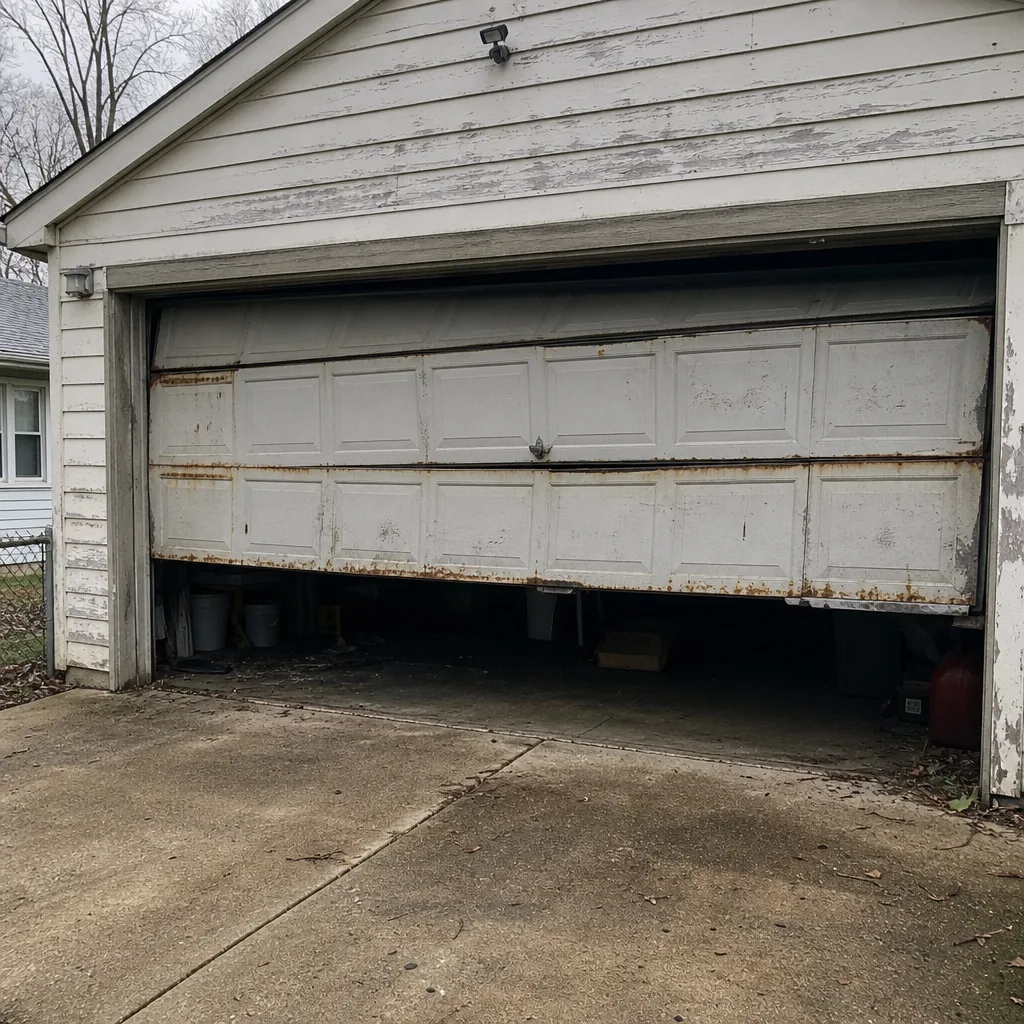 Before
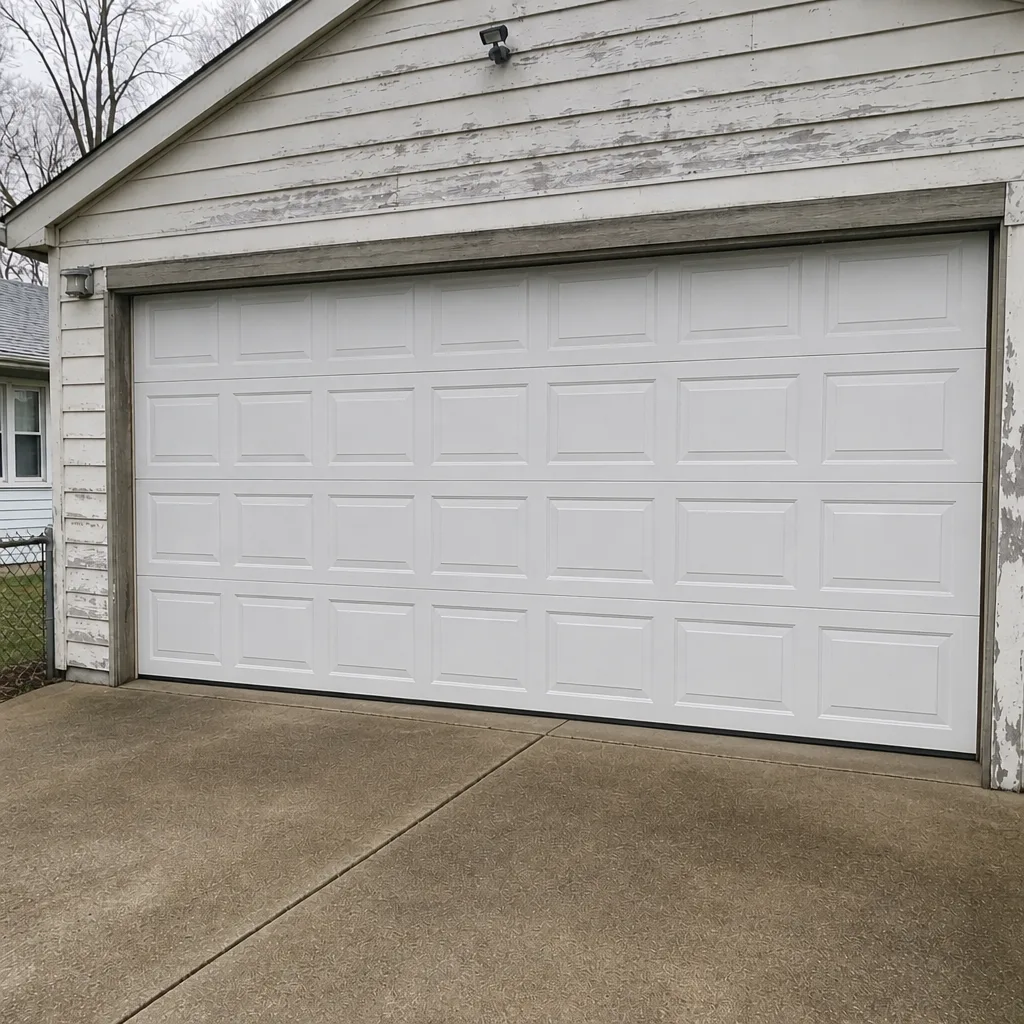 After
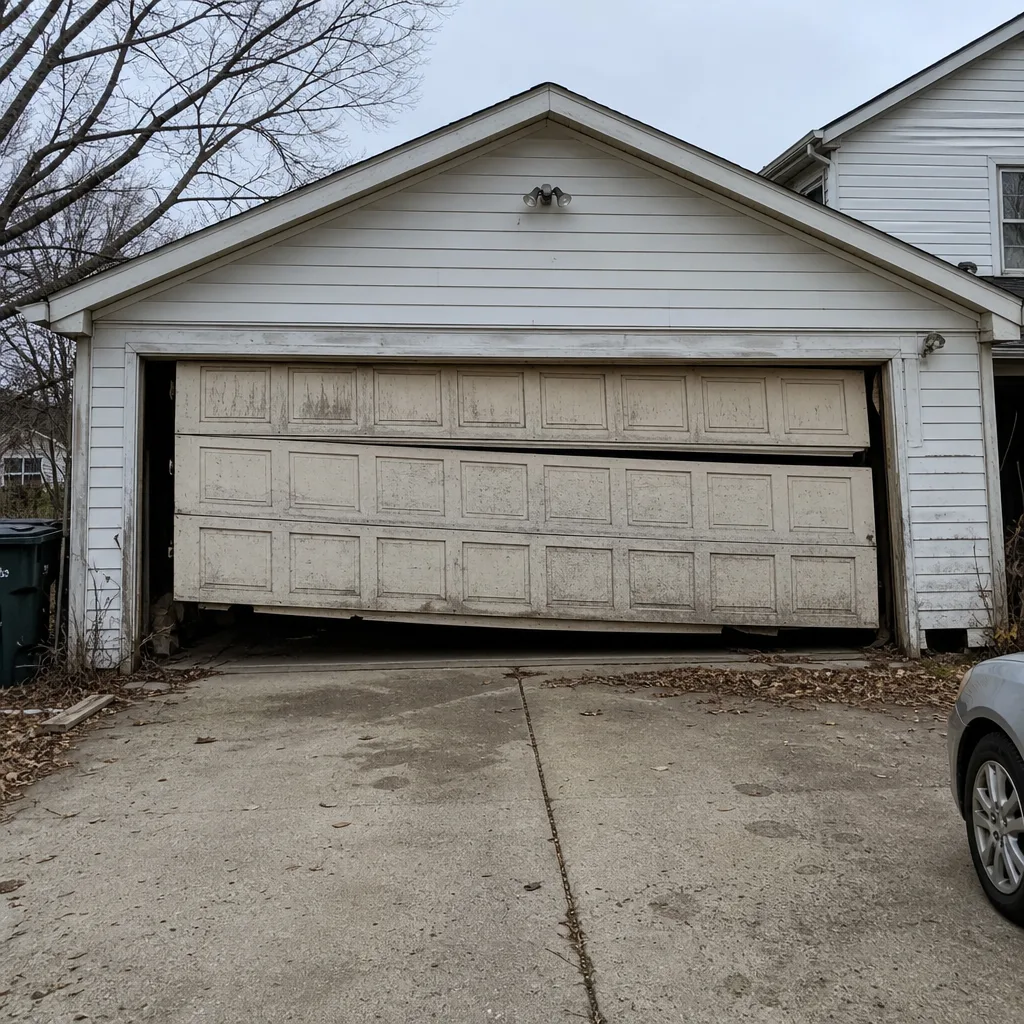 Before
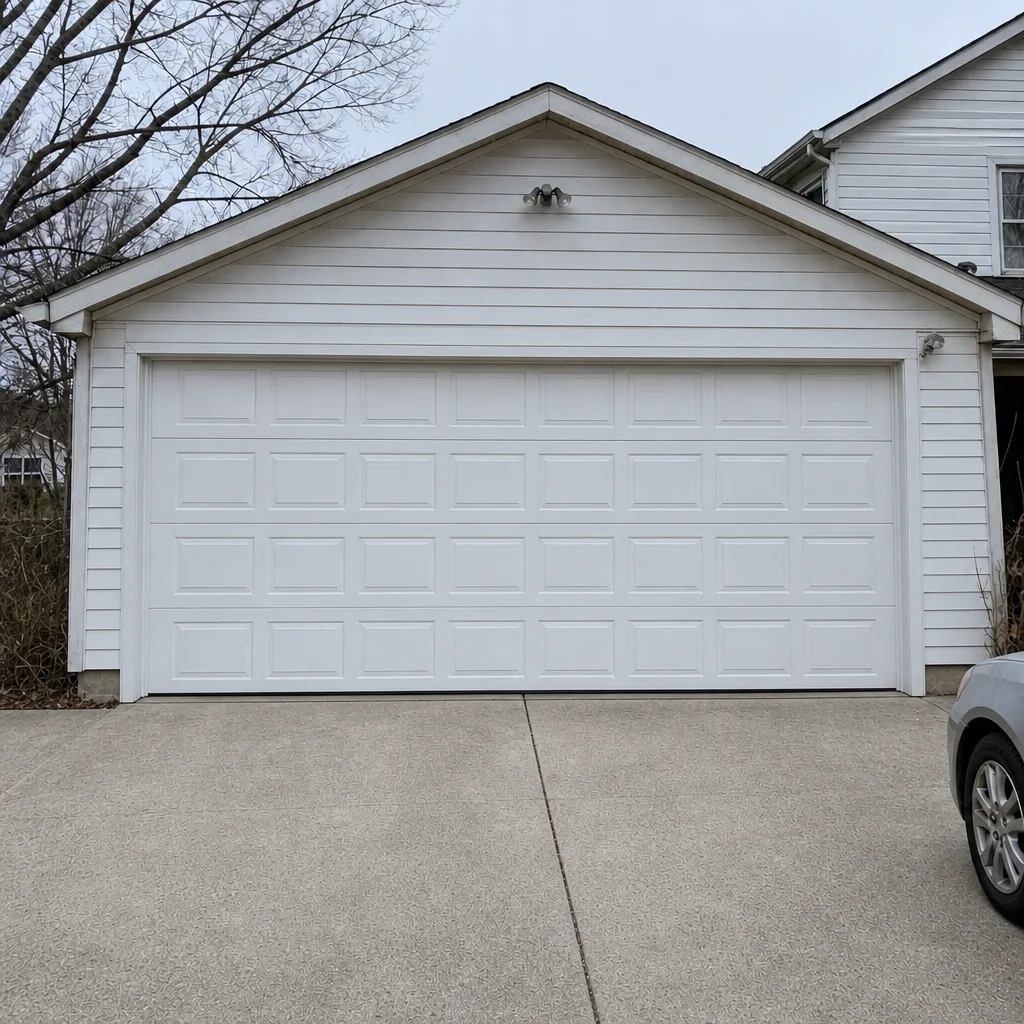 After
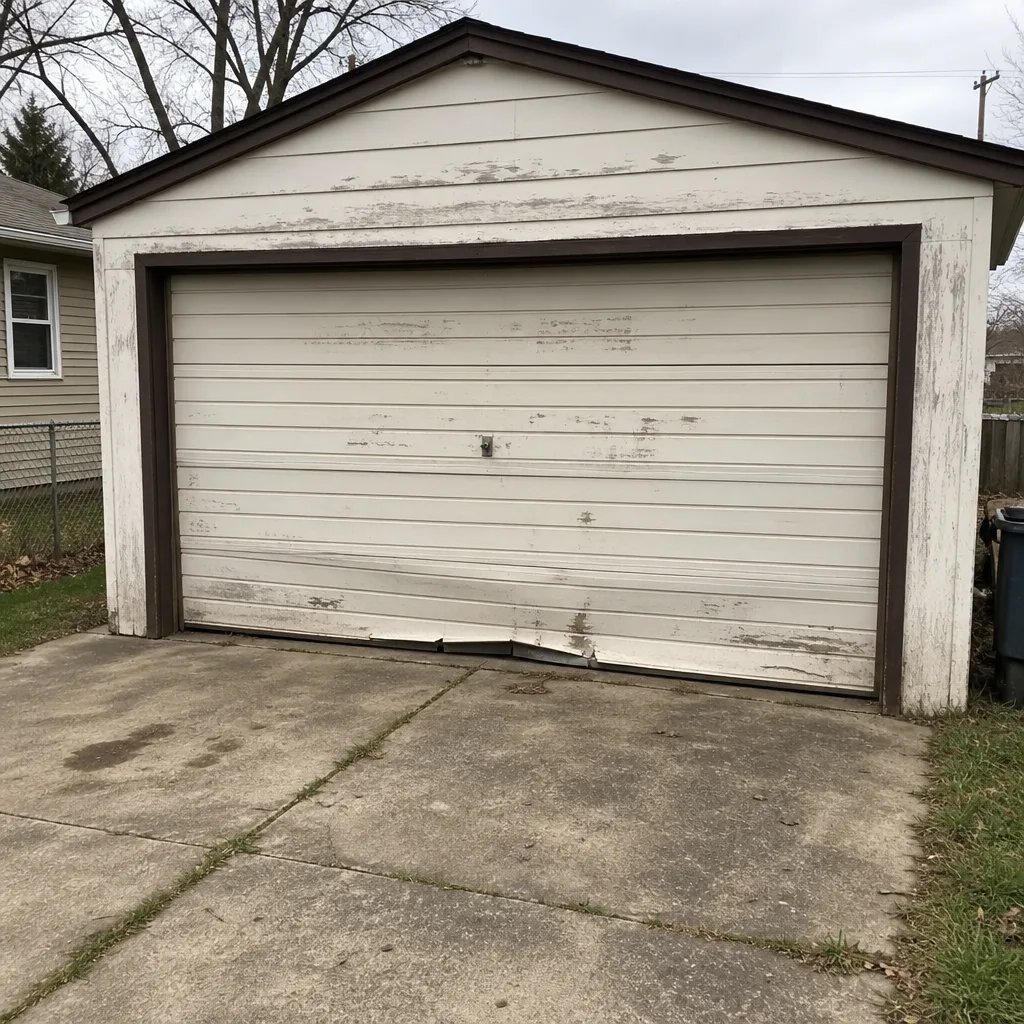 Before
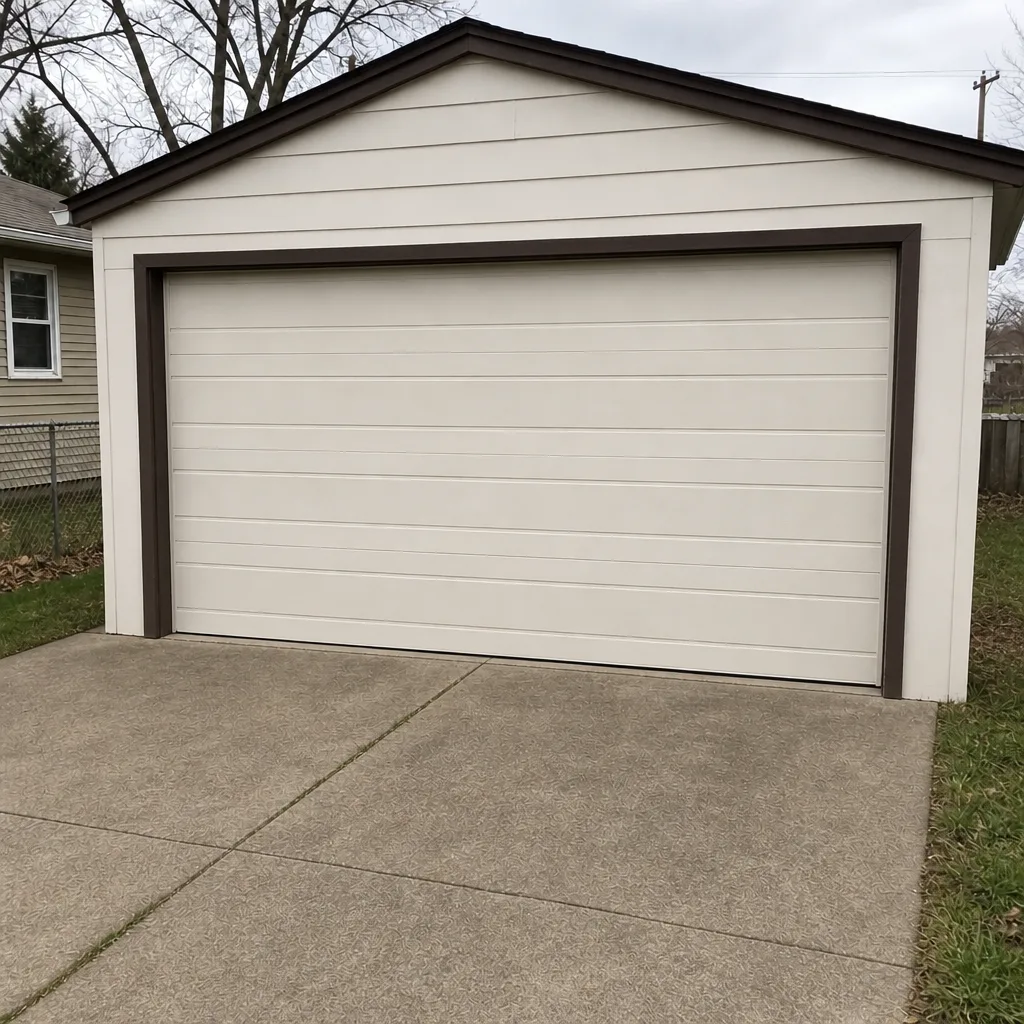 After
When to Call a Professional
Some of this you can watch and wait on. Some of it you can’t. Call a professional if a spring has broken or you can see a gap in the coil, if the door is crooked in the track, if a cable is slack or hanging loose, if the door drops faster than a slow crawl when you test it by hand, if the opener runs but the door doesn’t move, or if the door hits something and reverses without anything in the way. A door that’s making a new noise, a door that’s been hit by a car or a lawn mower, and a bottom bracket that looks bent all warrant a professional look. If you’re not sure whether it’s a door problem or an opener problem, call anyway. The diagnosis is part of the job, and we’d rather tell you the spring is fine than have you find out the hard way. Garage Door Repair Wanamaker offers free estimates in Wanamaker – call (855) 593-3820. We answer 24/7. Fast dispatch from 7am to 7pm, Sunday through Friday.
Frequently Asked Questions
Spring repair in Wanamaker typically runs $180 – $340 for a single spring, and a matched pair is usually about double that because springs on a two-spring door are replaced together. The written estimate sets the final price, and we agree it with you before any work begins. Call (855) 593-3820 for an exact quote – estimates are free.
A broken spring is usually obvious: a sharp bang, a door that won’t open, or a visible gap in the coil. A weak spring is subtler – the door feels heavy when lifted by hand with the opener disconnected, or the opener strains or reverses. Both are worth a call. Don’t run the opener on a door with a broken or visibly weak spring. Call (855) 593-3820 and we’ll get a technician out to look at it.
We service LiftMaster, Chamberlain, Genie, Craftsman, Clopay, Amarr, Wayne Dalton, and Raynor, along with other systems. Brand-specific knowledge matters because opener repair procedures differ by model, especially on WiFi and smart-home units. Parts on hand, not on order makes a difference too, and we stock and supply garage door parts so a repair doesn’t sit waiting on a back-order.
That depends on the city’s current rules, and the answer can vary by project, so ask Wanamaker’s building department before work starts. Most replacements that change the door’s size or structure are more likely to trigger a permit than a straight swap of the same size and type. It’s a quick phone call, and it’s the right one to make.
Often yes, especially for repairs. We answer 24/7 and dispatch from 7am to 7pm, Sunday through Friday. A call outside dispatch hours is booked into the next opening. Call (855) 593-3820 and we’ll tell you what’s available.
No. We quote the job per your door, in writing, and we agree it with you before we start. If we find something else while we’re in there, we tell you the price before we touch it. The written quote is what you pay. Call (855) 593-3820 for a free estimate.
The Bottom Line
Your garage door in Wanamaker absorbs more weather than almost any other part of the house, and the parts that take the most stress – springs, seals, and bottom hardware – are the ones that fail first. Learn the anatomy so you can describe a problem accurately. Watch the springs and seals through the freeze-thaw cycle. Know your opener’s brand and model, because it tells a technician a lot. And when something’s actually broken, call a specialist rather than a generalist. Garage Door Repair Wanamaker is a garage door and opener specialist, we work on the brand you already have, and we quote per job with a written estimate before work begins. Call (855) 593-3820 for a free estimate. We answer 24/7. Fast dispatch from 7am to 7pm, Sunday through Friday.
Written by the team at Garage Door Repair Wanamaker.